1 year ago
Iraq's Water Reserves Reach Historic Lows, Official Says
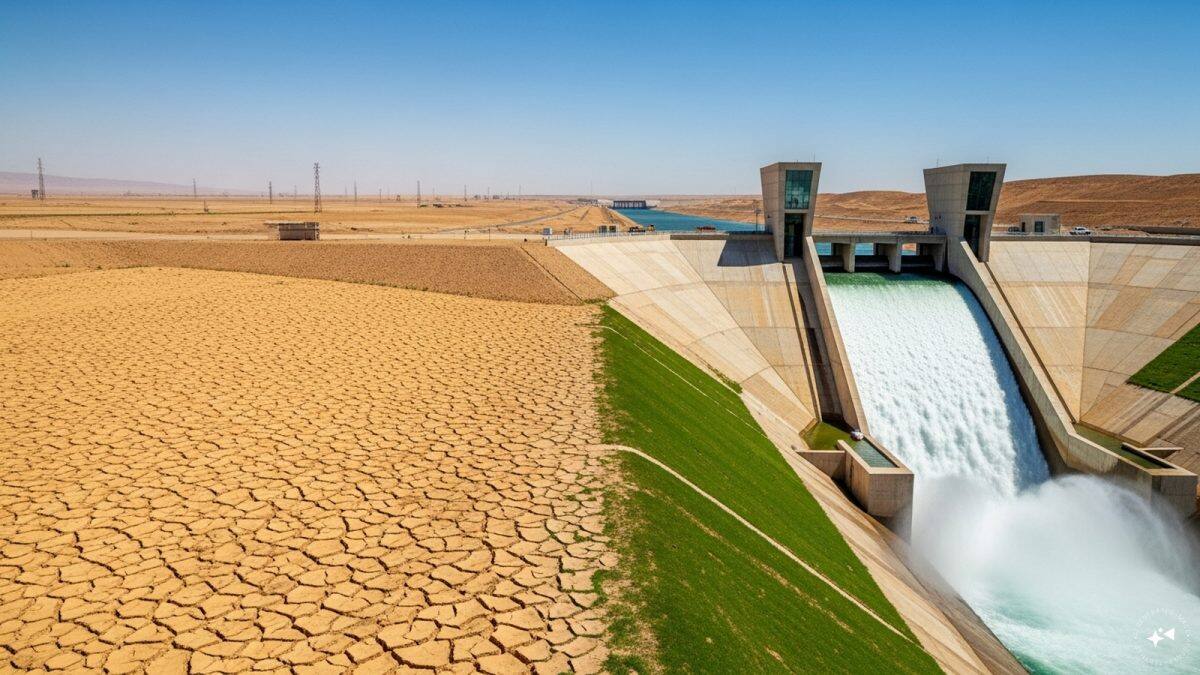
Imagine Iraq has a big water tank, and it's used to water crops and provide drinking water.
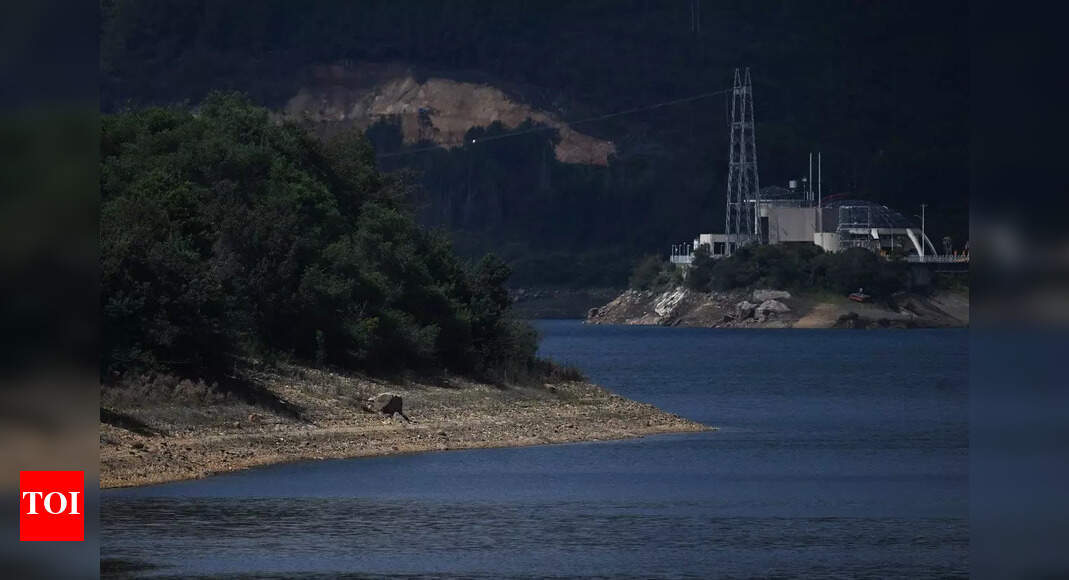
Right now, that tank is almost empty, the lowest it has been in 80 years!
Not enough rain has fallen, and the rivers that fill the tank aren't flowing as much because of dams built upstream.
This means there isn't enough water for the farmers to grow food, so some are having to leave their farms.
The government is trying to make sure there's enough water for everyone by reducing how much water farmers can use, hoping for better times ahead.

Iraq's water reserves have reached their lowest levels in 80 years.
Reduced water flow from the Tigris and Euphrates rivers is a major factor.
Authorities blame upstream dams in Iran and Turkey for the situation.
Sparse rainfall and low snowmelt have worsened the water shortage.
Farmers have been forced to abandon their land, impacting agricultural activity.
- Who
- Iraqi government officials and farmers
- What
- Iraq's water reserves are at a record low, causing agricultural and environmental problems.
- Where
- Iraq
- When
- As of the present, with the situation worsening due to recent climate events.
- Why
- Due to climate change, drought, rising temperatures, declining rainfall, and reduced river flow.
Iraq's Stance
Turkey's Stance
Upstream Dams
Iraq's Stance
Iraq believes Turkey and Iran's dam construction is negatively impacting water flow.
Turkey's Stance
Turkey has urged Iraq to adopt efficient water management plans.
Key facts
- Water Reserve Level
- Lowest in 80 years
- Current Reserves
- About 10 billion cubic meters
- Previous Strategic Reserves
- Double the current amount last year
- River Share Received
- Less than 40% from Tigris and Euphrates
- Affected Farmers
- Many have abandoned their land
- Agricultural Area Planned
- 1.5 million dunams (375,000 hectares)