8 months ago
Iraq's Wheat Independence Threatened by Severe Drought

Iraq has been trying to grow enough wheat to feed its people without needing to import it.
They've had some success, but now there's a big problem.
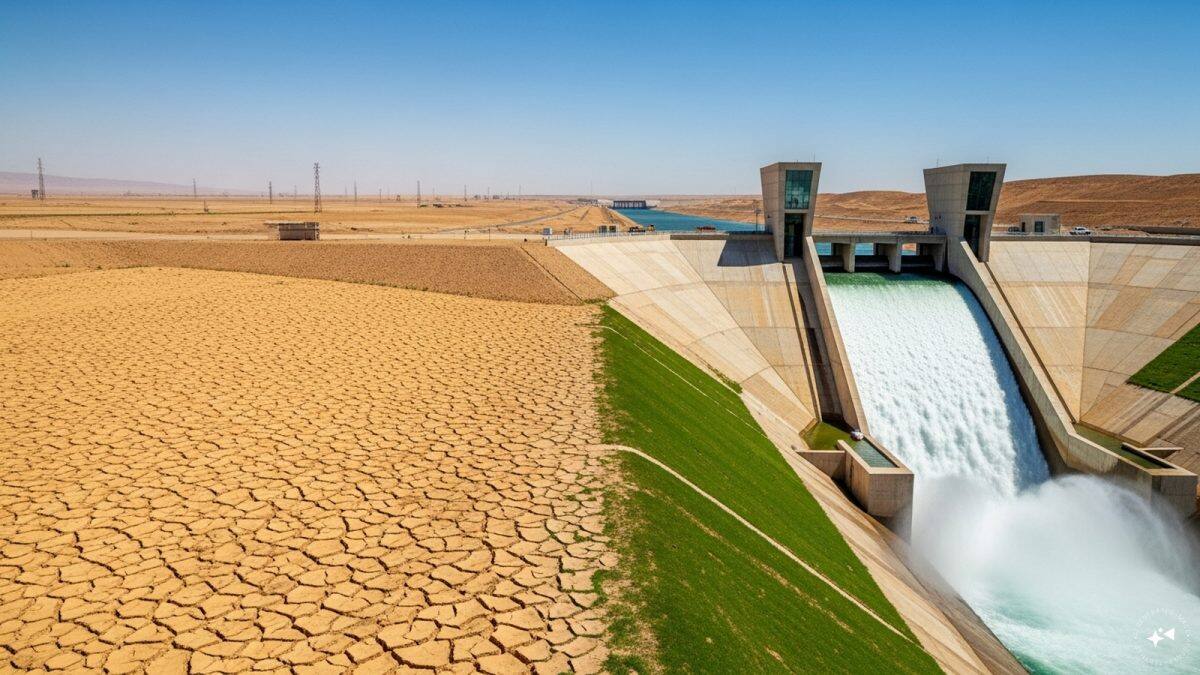
The rivers that provide water for the farms are drying up because of a very bad drought.
This is making it hard for farmers to grow wheat, and the government is worried they might have to start importing wheat again.
The drought is also causing people to lose their jobs and homes.
The government is trying to fix the problem by using less water and new farming methods, but it's still a big challenge.

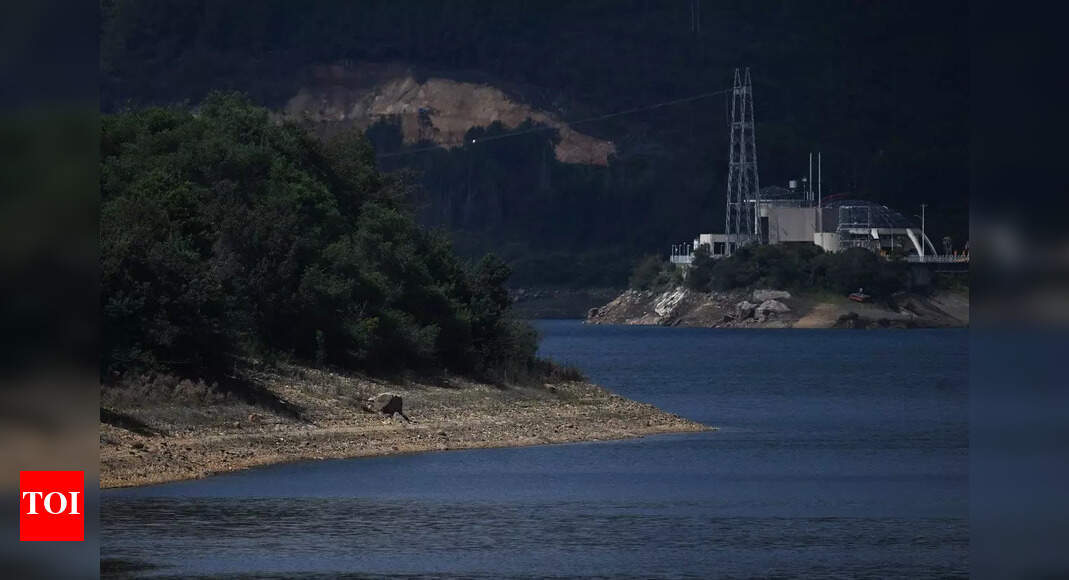
Iraq's wheat production is threatened by the driest year in modern history and record-low water levels in the Tigris and Euphrates rivers.
The country's water reserves have plummeted from 60 billion cubic meters in 2020 to less than 4 billion today.
Iraq's government has implemented measures to cap river-irrigated wheat and mandate modern irrigation techniques to conserve water.
The FAO anticipates wheat import needs for the 2025/26 marketing year to increase to about 2.4 million tons.
Around 170,000 people have been displaced in rural areas due to water scarcity, impacting livelihoods beyond just food security.
- Who
- Iraqi farmers and government, U.N. Food and Agriculture Organization (FAO), Turkey, Iran
- What
- Severe drought and water scarcity threatening Iraq's wheat production and food security
- Where
- Iraq, particularly near the Euphrates River and Najaf
- When
- Current crisis, with expectations of continued decline
- Why
- Driest year in modern history, record-low water levels in Tigris and Euphrates rivers, upstream dams by Turkey and Iran, climate change
Key facts
- Current Water Reserves
- Less than 4 billion cubic meters
- Expected Wheat Production Drop
- 30% to 50%
- Wheat Import Needs for 2025/26
- About 2.4 million tons
- River-Irrigated Wheat Cap for 2025/26
- 1 million dunams
- Desert Area Allocation for Wheat
- 3.5 million dunams
- Water Required per Ton of Wheat
- 1,100 cubic meters
- Displaced People Due to Water Scarcity
- 170,000
- Rural Population in Iraq
- Around 30%
Quotes
Salah El Hajj Hassan
U.N. Food and Agriculture Organization’s Iraq representative
“This is not a matter of only food security. It’s worse when we look at it from the perspective of livelihoods.”
 theprint.in
“Iraq is facing one of the most severe droughts that has been observed in decades.”
theprint.in
Ma’an al-Fatlawi
Iraqi wheat farmer
“Drilling wells is not successful in our land, because the water is saline.”
theprint.in
“We rely on river water.”
theprint.in
Harry Istepanian
Water expert and founder of Iraq Climate Change Center
“Iraq’s water and food security crisis is no longer just an environmental problem; it has immediate economic and security spillovers.”
theprint.in
Mahdi Dhamad al-Qaisi
Advisor to the agriculture minister
“The plan was implemented in two phases. Both require modern irrigation.”
theprint.in
Ammar Abdul-Khaliq
Head of the Wells and Groundwater Authority in southern Iraq
“If water extraction continues without scientific study, groundwater reserves will decline.”
theprint.in