11 months ago
Svalbard Island Bans Births and Deaths: Regulations Explained
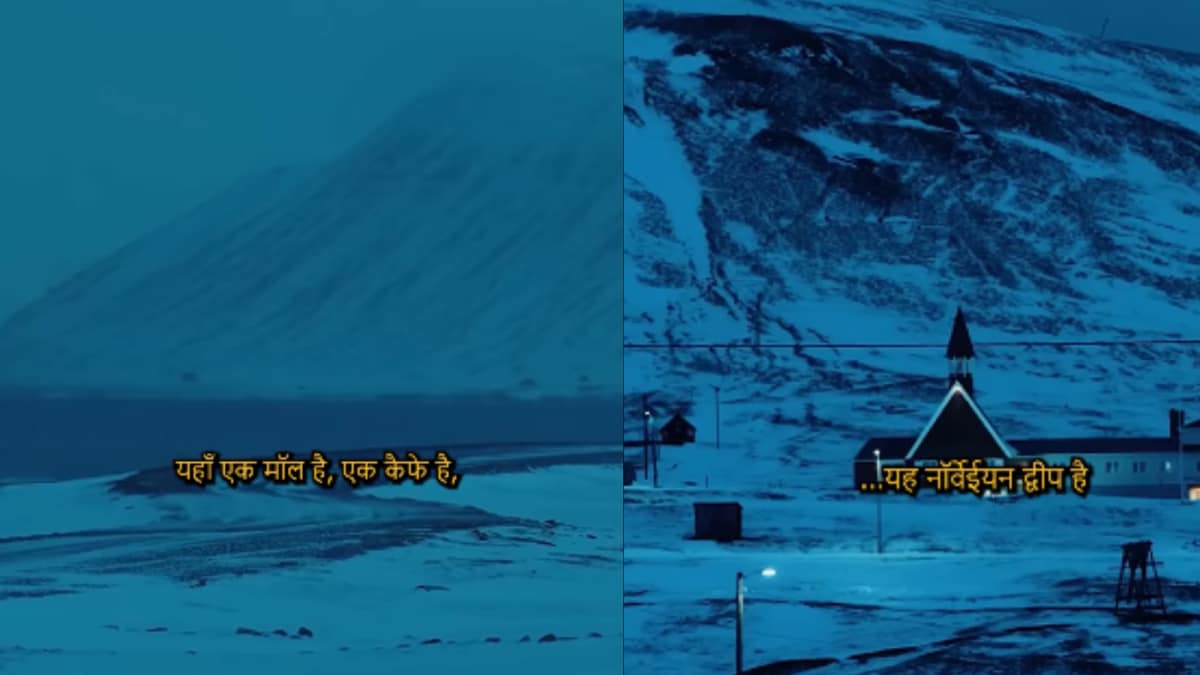
Svalbard, a remote island in Norway, has a unique rule: people cannot be born or die there.
Pregnant women are sent to the mainland to give birth, and the sick are airlifted when death nears.
This is due to limited medical resources.
Also, the island's strict environmental protection rules prevent new cemeteries and protect the environment.
The island is also home to the Global Seed Vault, storing billions of seeds, highlighting the area's focus on environmental conservation.

Svalbard, a Norwegian Arctic island, prohibits births and deaths.
Pregnant women are moved to mainland Norway for childbirth after 36 weeks.
The deceased are transported to mainland Norway.
The rules are in place due to limited medical care and ecological concerns.
The Global Seed Vault, a seed storage facility, is located on Svalbard.
- Who
- Residents of Svalbard
- What
- Birth and death are prohibited on the island.
- Where
- Svalbard, Norway
- When
- Rules in effect in 2017 and 2023
- Why
- To manage the life cycle and protect the island's fragile ecology, along with limited medical resources.
Key facts
- Location
- Svalbard Archipelago, Norway
- Population of Longyearbyen
- Around 2,500
- Main Industries
- Science, mining, tourism
- Governing Treaty
- 1920 Svalbard Treaty
- Reason for Rule
- Limited medical resources and environmental protection
Quotes
A local doctor
A medical professional on Svalbard
“We have a basic clinic but lack resources for complex deliveries or end-of-life care.”
 news18.com
“Patients are immediately sent out by air.”
news18.com
Sources
Related news

Aneela Rose Wins World Powerlifting Silver After Qualifier Setback
UK, Norway and US Foil Russian Arctic Cable Sabotage Exercise

Norway Seizes Russian Ship Over Ukrainian Compensation Claim
UPSC International Relations Quiz Explains Five Key Global Topics
UPSC Key: Caste Census, Kashmir, Death Penalty, Arctic, Inflation