1 week ago
India and Japan Deepen Maritime Security Ties, Signal to Beijing
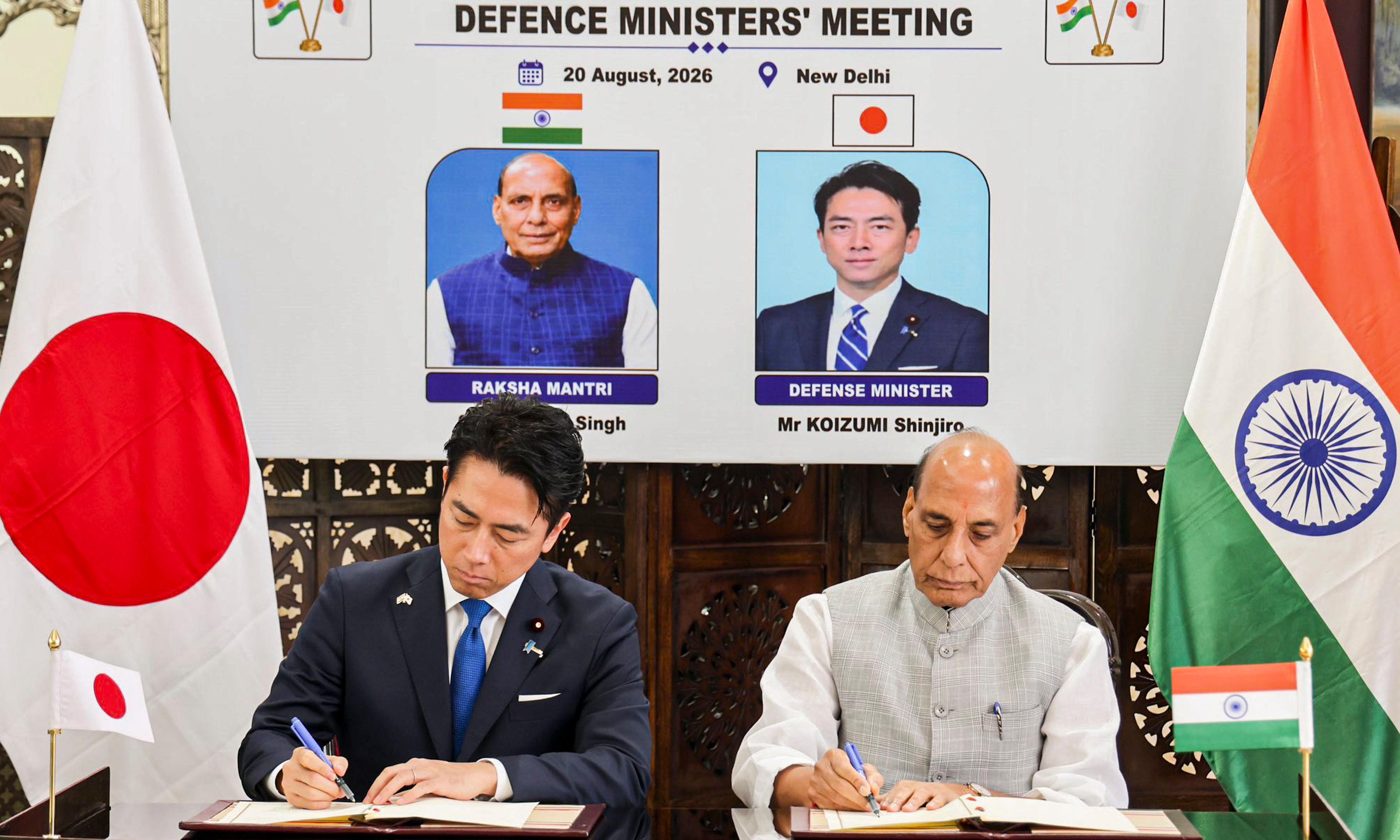
India and Japan agreed to work more closely to keep the seas safer.
They want ships and airplanes to be able to travel freely.
Their defence ministers said countries should not use force or pressure to change the situation.
The statement did not name China, but the remarks were widely seen as a message to Beijing.
This came as the articles described China as increasing its military activity in nearby seas.
India and Japan will share information about what is happening at sea.
Their navies may conduct exercises, visit ports, and cooperate on rescues and repairs.
They also want to work together on ships and defence technology.

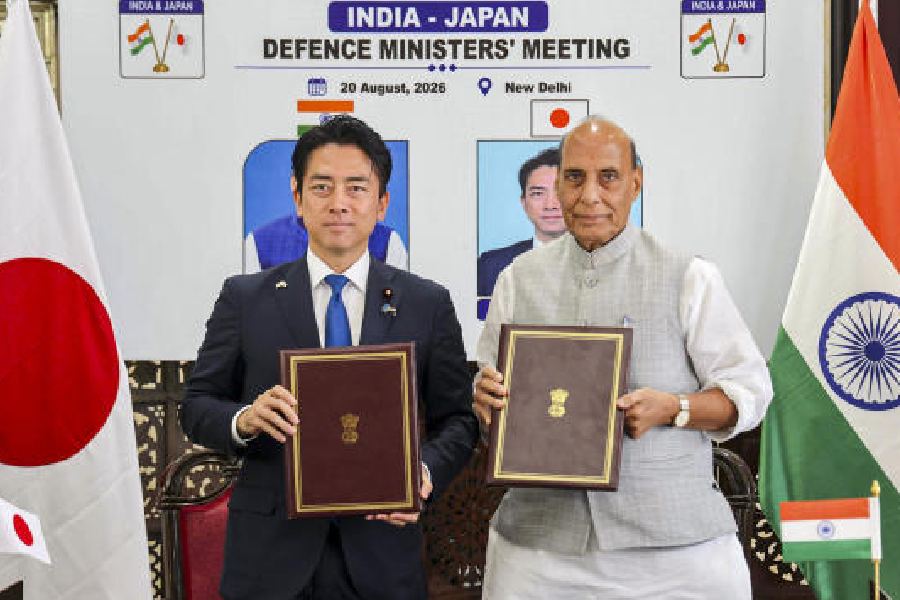
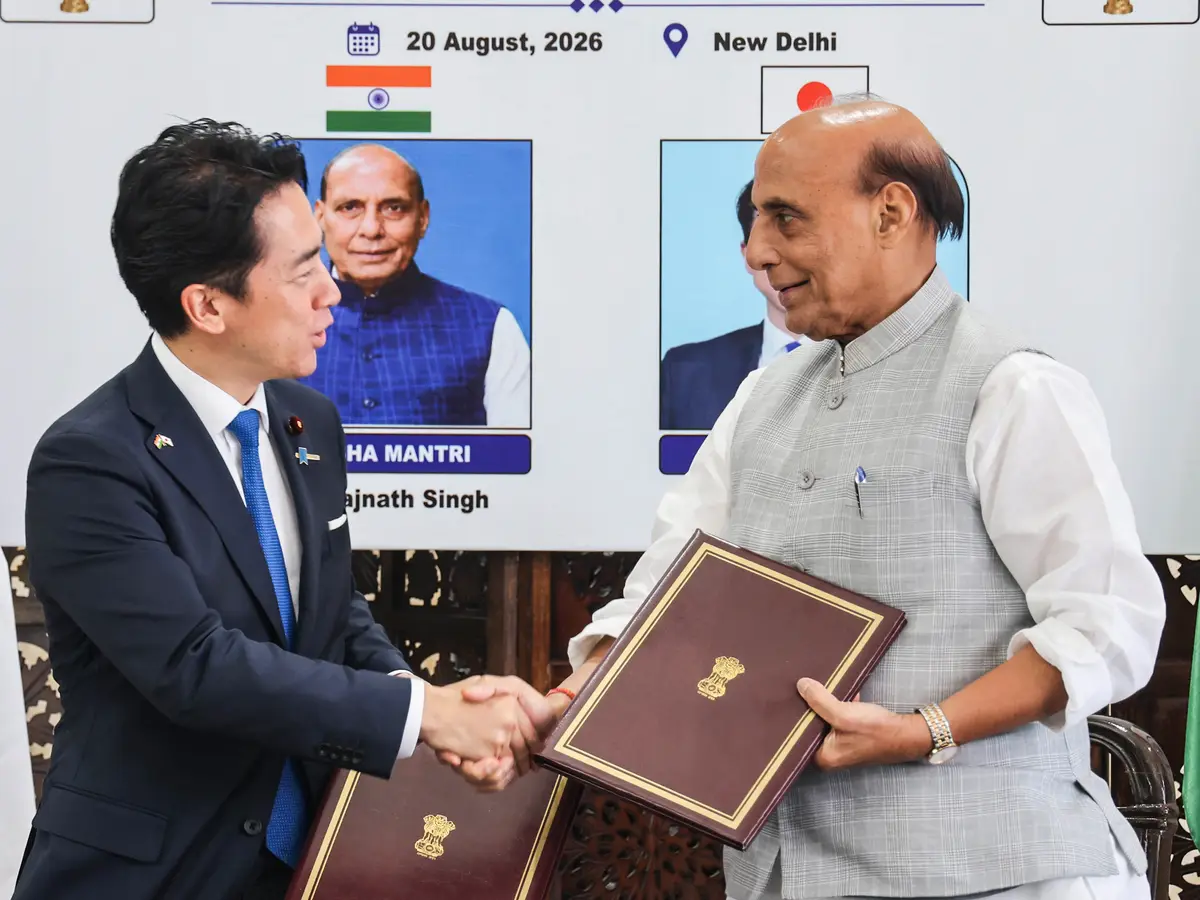
India and Japan signed a maritime security cooperation pact supporting a free and open Indo-Pacific.
Defence ministers Rajnath Singh and Shinjiro Koizumi opposed unilateral actions restricting navigation, overflight, or changing the status quo by force.
The agreement provides for maritime-domain awareness information sharing, search-and-rescue cooperation, and stronger naval coordination.
The countries plan joint exercises, naval visits, personnel exchanges, logistical support, mine-countermeasure cooperation, and reciprocal ship-repair facilities.
They will explore naval shipbuilding and defence-technology cooperation, including the shipborne UNICORN communications antenna project.
- Who
- Indian Defence Minister Rajnath Singh and Japanese Defence Minister Shinjiro Koizumi, representing India and Japan.
- What
- They signed a Memorandum of Arrangement on maritime security cooperation and agreed to deepen military and defence-technology ties.
- Where
- New Delhi, with cooperation focused on the Indo-Pacific region.
- When
- Thursday, August 20; the articles do not specify the year.
- Why
- To strengthen maritime security, protect sea lines of communication, and support freedom and safety of navigation and overflight.
India and Japan
China and Regional Concerns
Freedom of navigation
India and Japan
India and Japan said unilateral actions should not impede freedom and safety of navigation or overflight.
China and Regional Concerns
The articles said the remarks were seen as directed against China amid concerns about its military posture in the South China Sea and East China Sea.
Changing the status quo
India and Japan
The two ministers opposed attempts to change the status quo by force or coercion.
China and Regional Concerns
China was not directly named in the joint statement, and the articles provide no official Chinese response.
Expanded defence cooperation
India and Japan
India and Japan said naval coordination, exercises, information sharing, ship support, and technology cooperation would benefit their countries, the region, and the international community.
China and Regional Concerns
The articles portray the cooperation as occurring amid China’s increasing military activity, but do not state China’s position on the agreement.
Key facts
- Agreement
- Memorandum of Arrangement on maritime security cooperation.
- Naval cooperation
- The Japan Maritime Self-Defense Force and the Indian Navy will strengthen cooperation.
- Information sharing
- The agreement includes maritime-domain awareness information sharing.
- Operational cooperation
- Planned measures include naval visits, joint exercises, personnel exchanges, logistical support, and search-and-rescue cooperation.
- Industrial cooperation
- The countries will explore naval shipbuilding and design using Japanese technology and Indian production capabilities under the Make in India framework.
- Ship repairs
- The ministers agreed to pursue reciprocal ship-repair facilities and a future ship-repair arrangement.
- Technology transfer
- The shipborne UNICORN integrated communications antenna project was described as the first defence-equipment transfer project between the two countries.
Sources


Related news

India and Japan Deepen Maritime Security and Defence Cooperation
India and Japan Strengthen Maritime Security Cooperation Amid Regional Tensions
India and Japan Deepen Maritime Security and Defence Cooperation
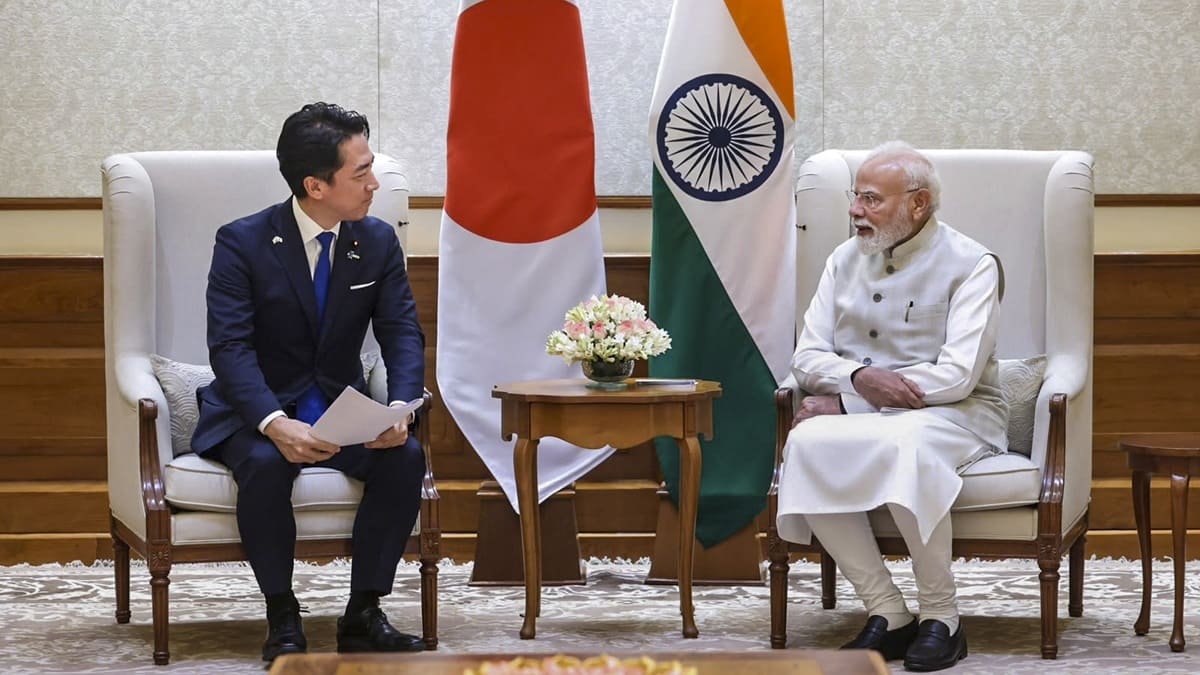
India and Japan Map Expanded Maritime Defence Cooperation
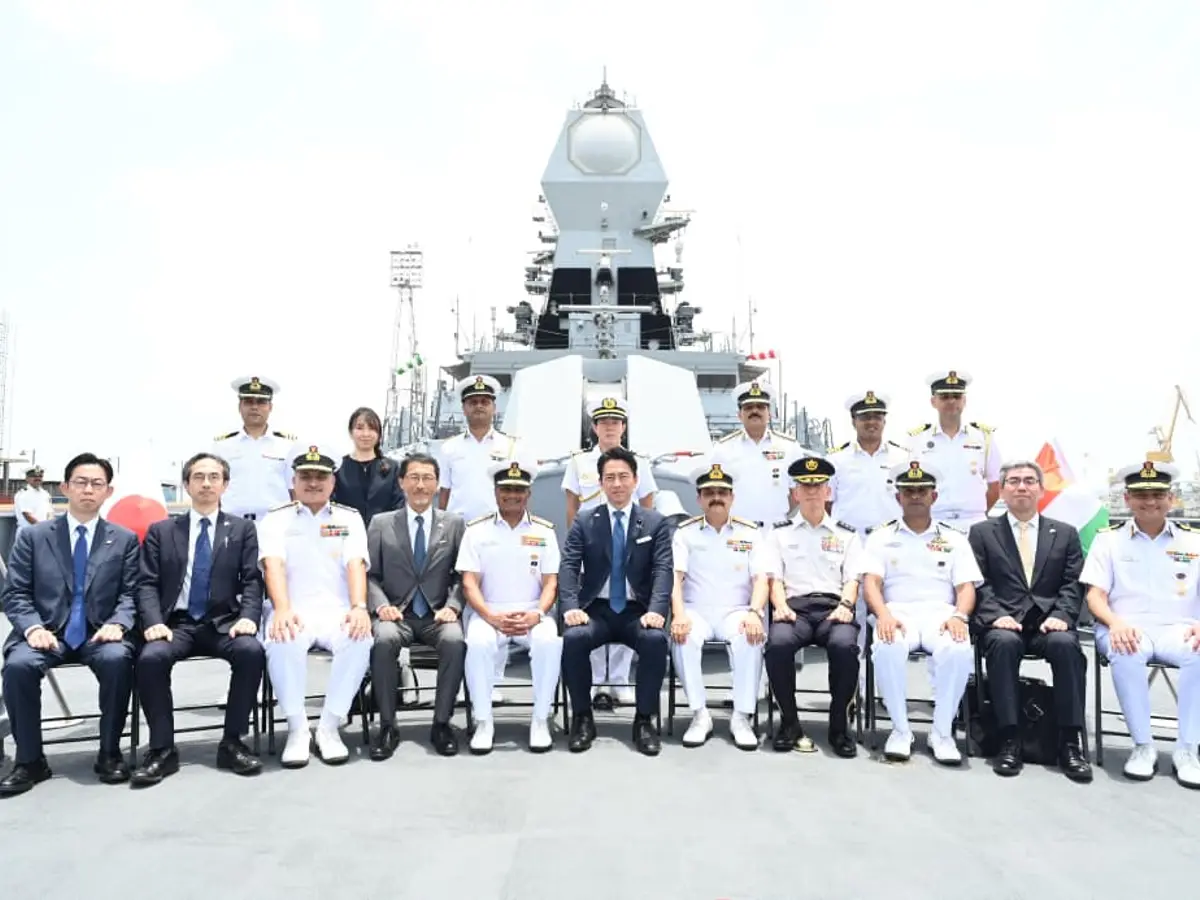
India, Japan Defence Ministers Set to Discuss UNICORN Cooperation