2 weeks ago
Pakistan Honors Doctors Who Kept Jinnah’s Illness Secret
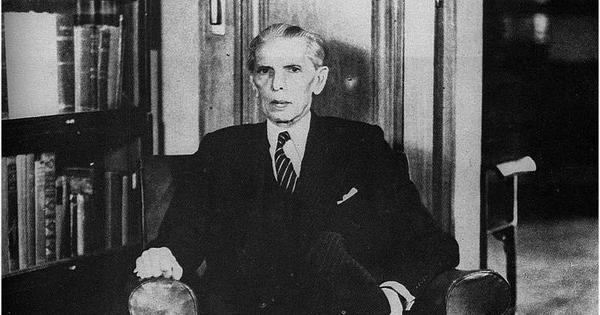
Pakistan is giving its highest civilian award to two doctors from Mumbai.
The doctors treated Muhammad Ali Jinnah before Pakistan was created.
They knew that Jinnah had a very serious lung disease called tuberculosis.
They did not tell British officials about his illness.
One historical account says Jinnah might have lived only one or two more years.
It also says that Jinnah kept working instead of resting as advised.
Some writers believe that if British officials had known about his illness, Partition might have been delayed.
Partition created India and Pakistan and caused a very large migration and deadly violence.
Pakistan says the doctors kept their professional promise and indirectly helped the country come into being.

Pakistan will posthumously award the Nishan-e-Imtiaz to Mumbai-based Parsi doctors Jal Ratanji Patel and Jal Daeboo.
Patel diagnosed Muhammad Ali Jinnah with chronic tuberculosis in 1946, according to a 1975 history of Partition.
Jinnah reportedly continued working despite being told he might have only one or two years to live.
Historians Dominique Lapierre and Larry Collins argued that knowledge of Jinnah’s illness might have delayed Partition.
Pakistan’s planning minister said the doctors’ confidentiality helped preserve the circumstances that led to Pakistan’s creation.
- Who
- Pakistan, doctors Jal Ratanji Patel and Jal Daeboo, Muhammad Ali Jinnah, and the officials and historians discussing his illness.
- What
- Pakistan announced posthumous Nishan-e-Imtiaz awards for Patel and Daeboo for keeping Jinnah’s terminal illness confidential.
- Where
- The doctors were based in Mumbai, and the illness concerned Jinnah’s role during the Partition of British India.
- When
- The doctors treated Jinnah before Partition; Patel’s diagnosis was reported as occurring in 1946, and Jinnah died on September 11, 1948.
- Why
- Pakistan says the doctors’ professional confidentiality helped preserve the circumstances that led to Pakistan’s creation.
Supporters of the Honor
Historical Caution
The doctors’ role
Supporters of the Honor
Pakistan’s planning minister Ahsan Iqbal said the doctors honored their professional oath by keeping Jinnah’s condition confidential and thereby made an important contribution to Pakistan’s creation.
Historical Caution
The account explicitly identifies Patel as Jinnah’s physician but does not mention Daeboo’s role beyond the belief that he may have examined Jinnah’s X-rays.
Could illness have changed Partition?
Supporters of the Honor
Lapierre and Collins, along with Iqbal’s account of Louis Mountbatten’s later view, suggest that knowing Jinnah was seriously ill might have delayed Partition and possibly threatened the creation of Pakistan.
Historical Caution
This is a counterfactual historical claim rather than an established outcome; the articles do not provide evidence that Partition would definitely have been delayed or prevented.
Name of the second doctor
Supporters of the Honor
Pakistan’s official awards list names the recipient as Jal Daeboo.
Historical Caution
Some members of the Parsi community believe Daeboo may be a misspelling of the name Deboo.
Key facts
- Award
- Nishan-e-Imtiaz, described as Pakistan’s highest civilian honour
- Recipients
- Jal Ratanji Patel and Jal Daeboo, both receiving the award posthumously
- Diagnosis
- Patel reportedly diagnosed Jinnah with chronic tuberculosis in 1946
- Jinnah’s death
- September 11, 1948
- Historical account
- Freedom at Midnight, published by Dominique Lapierre and Larry Collins in 1975
- Partition migration
- Lakhs of Hindus, Muslims and Sikhs crossed the newly created India-Pakistan borders
- Partition violence
- Reported deaths ranged from two lakh to 10 lakh people
Quotes
Pakistan Planning Minister Ahsan Iqbal
Government minister who commented on the historical implications of Jinnah’s illness
“By maintaining absolute professional confidentiality at such a critical moment, these doctors performed a quiet but extraordinary service. Their fidelity to their professional oath inadvertently became a significant contribution to the circumstances that made the creation of Pakistan possible.”
 scroll.in
“Lord Mountbatten later acknowledged that, had he known how seriously ill Jinnah was, he might have delayed Partition – potentially altering the course of history and perhaps even jeopardising the creation of Pakistan.”
scroll.in
Sources
Related news

Parsi Doctors Who Kept Jinnah's Illness Secret Honored by Pakistan
Pakistan to Honour Two Mumbai Doctors for Jinnah’s Secret

Two Mumbai Parsi Doctors to Receive Pakistan’s Highest Civilian Award
Jinnah's reported despair over Partition: 'What have I done?'