9 months ago
UNDP Official Lauds India's Inclusive Growth Model
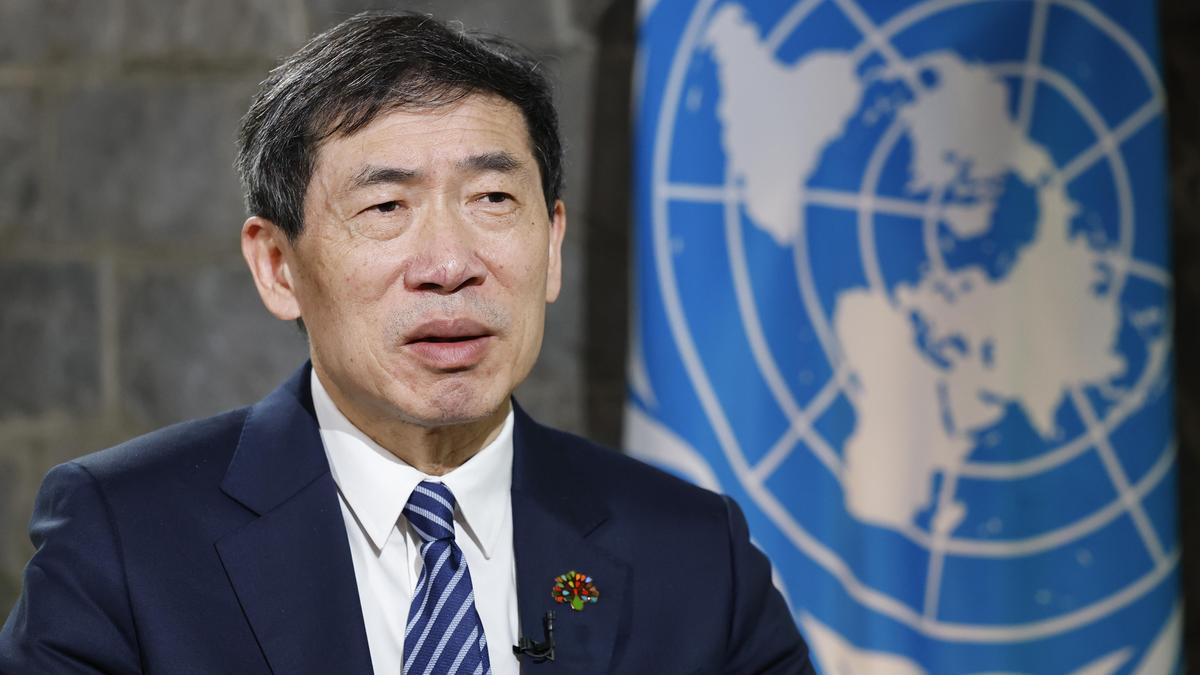
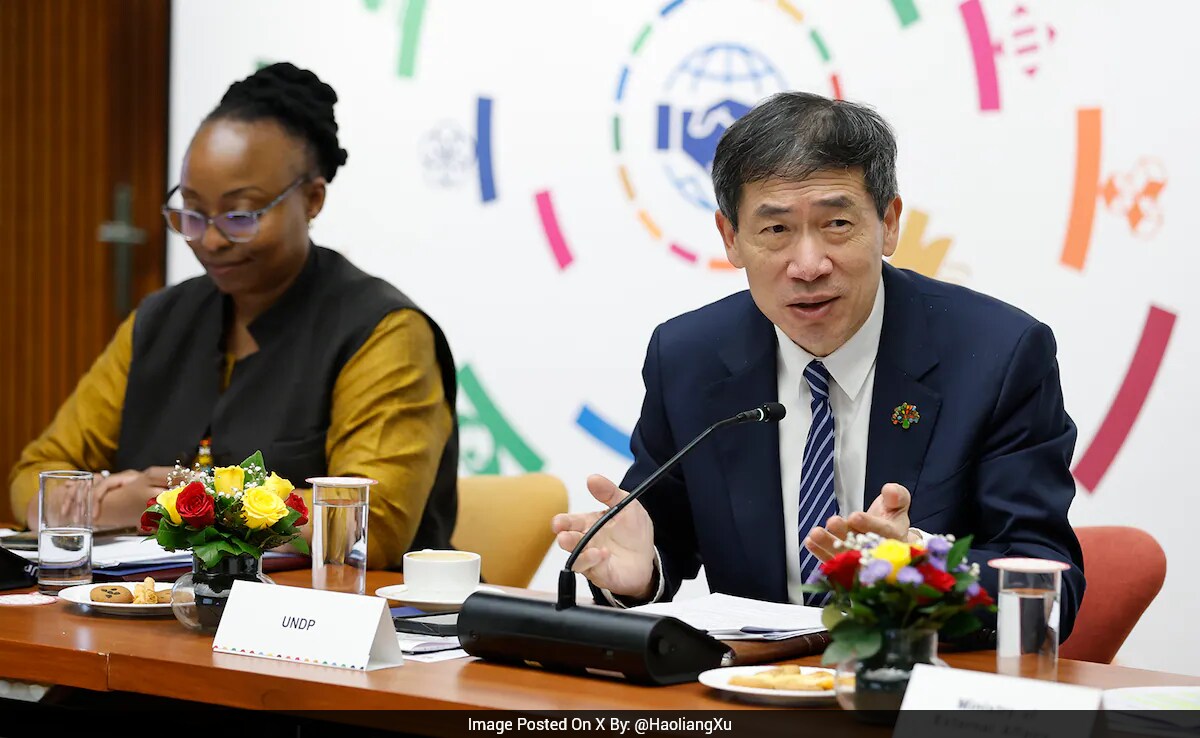
A top UN official named Haoliang Xu visited India and was very impressed.
He said that India is doing something special: it's growing its economy (making more money) while also making sure that everyone, especially those who have been left behind, gets a fair chance and is included.
India is using technology, like special apps and ID systems, to help people get benefits and services fairly.
They are also focusing on clean energy and protecting the environment.
Mr. Xu mentioned that progress around the world in helping people is very slow, so India's way of doing things is a great example for other countries.
India is sharing its successful methods and tools with other developing nations, especially on how to use digital tools and fight climate change.
He also highlighted that developing countries need a lot of money to tackle climate change, but it's not coming fast enough.

UNDP Acting Administrator Haoliang Xu stated India demonstrates economic growth and social inclusion can advance together.
India's development model utilizes technology and participatory governance to ensure no one is left behind.
Key Indian initiatives like JAM trinity, UPI, MGNREGA, and Ayushman Bharat are highlighted as successful examples of inclusive growth and social protection.
Xu noted that global human development progress has slowed significantly, making India's model valuable for other developing countries.
India's success stories and frameworks are being shared with other developing countries through South-South Cooperation, focusing on digital transformation and climate action.
- Who
- Haoliang Xu, UNDP Acting Administrator
- What
- Stated that India's development model successfully integrates economic growth with social inclusion and climate action, offering its experiences as valuable lessons for other developing nations through South-South Cooperation.
- Where
- India
- When
- During a three-day visit to India.
- Why
- To strengthen cooperation, identify new areas of cooperation in digital transformation and climate action, and to highlight India's development model as a blueprint for other developing countries.
Developing Countries
UNDP and Global Community
Access to Climate Finance
Developing Countries
Developing countries urgently need significant annual funding (approximately $2.4 trillion by 2030) for climate action, but current access to climate finance is slow and complex, requiring immediate support.
UNDP and Global Community
The global community is committed to scaling up finance, as outlined in the Baku to Belem Roadmap aiming for $1.3 trillion annually by 2025, emphasizing the need for collaborative efforts and simpler, faster financing systems.
Key facts
- UNDP Official
- Haoliang Xu, Acting Administrator
- Xu's Visit Duration
- Three-day visit
- Key Areas of Cooperation Highlighted
- Digital transformation and climate action
- India's Digital Platforms Mentioned
- Jan Dhan, Aadhaar, Mobile (JAM) trinity, UPI, CoWIN, U-WIN
- Flagship Programs Mentioned
- MGNREGA, Ayushman Bharat, Aspirational Districts Programme
- Global Human Development Progress
- Slowed to a 35-year low, almost stagnant for two years
- Required Climate Finance for Developing Countries (by 2030)
- Approximately $2.4 trillion annually
- Baku to Belem Roadmap Finance Goal
- $1.3 trillion annually by 2025
Quotes

Haoliang Xu
UNDP's Acting Administrator
“For instance, with assistance from our UN partners and beyond, 86 countries are now implementing integrated national financing frameworks that aim to channel billions of dollars towards vital SDG areas like climate action, including help align private investment with national development objectives.”
 NDTV
NDTV
“Today, developing countries require about USD 2.4 trillion each year for climate action by 2030. The current multilateral finance commitment is reflected in the Baku to Belem Roadmap that calls for all actors to work together to scale up finance to USD 1.3 trillion per year by 2025.”
NDTV
Sources
Related news
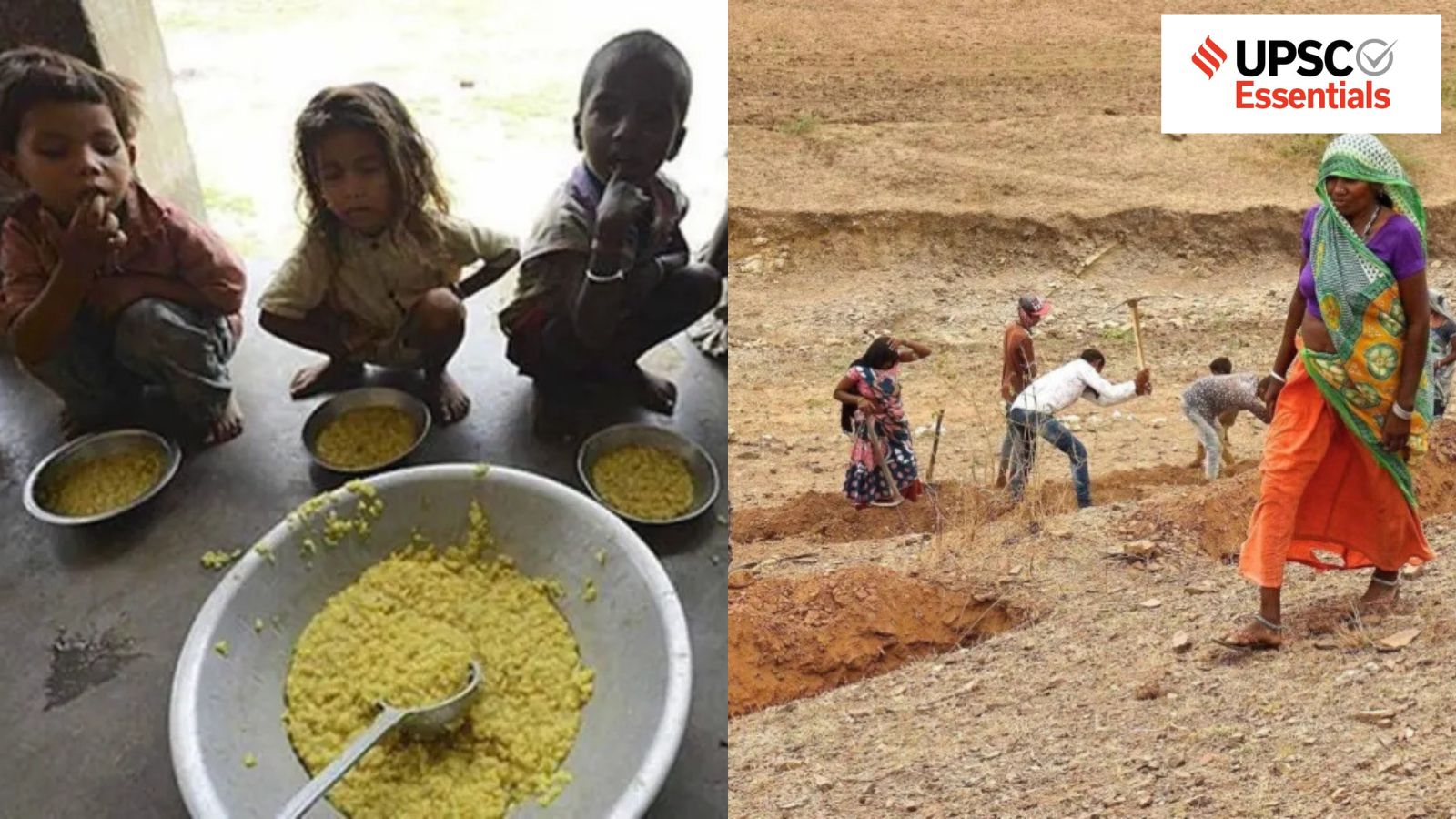
India's Convergence Governance Seeks Better Outcomes Beyond Individual Schemes
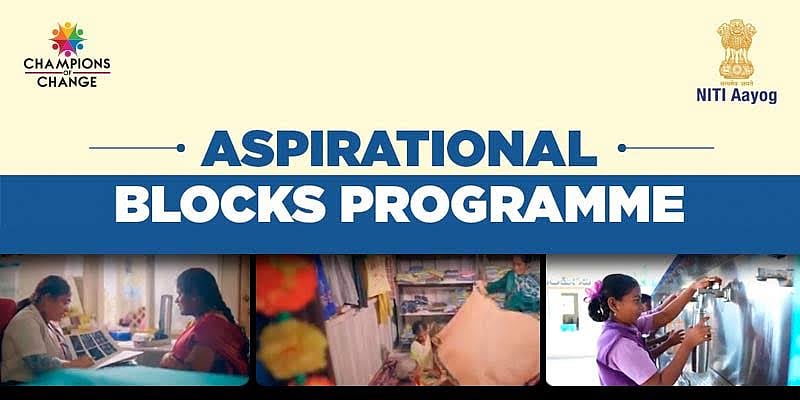
Surgana Ranks 77th in NITI Aayog Aspirational Programme
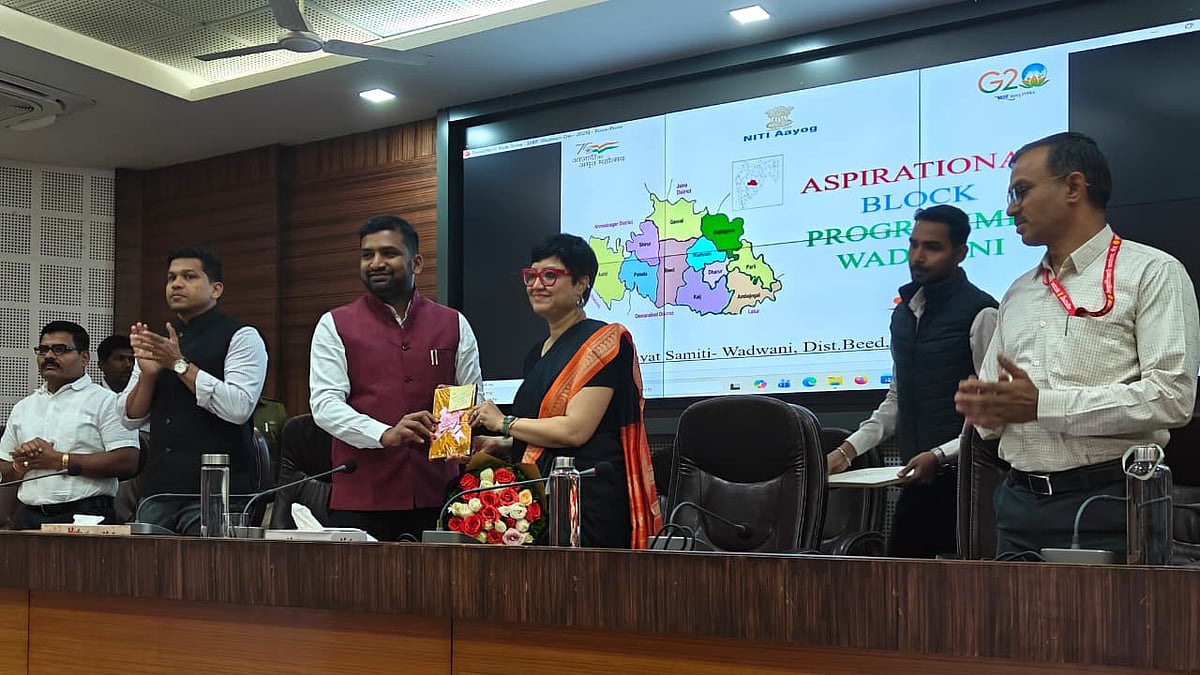
Suman Chandra Calls to Stop Child Marriages in Beed
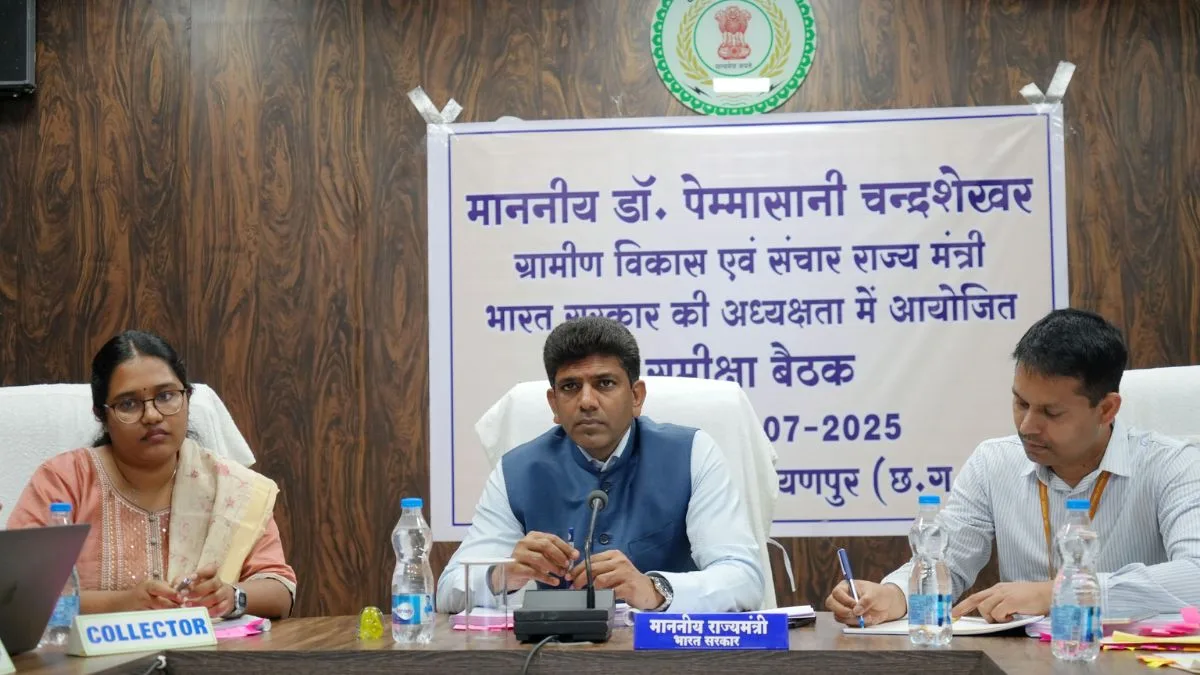
Minister Reaffirms Development Commitment in Chhattisgarh’s Narayanpur