2 weeks ago
OpenAI Launches ChatGPT for Teens With Safety and Study Tools

OpenAI created a special ChatGPT experience for teenagers ages 13 to 17.
It tries to make conversations safer by limiting help with dangerous or inappropriate topics.
It also uses a calmer style and avoids encouraging romantic dependence on the chatbot.
Study Mode guides students through questions instead of immediately giving them answers.
Quizzes, visual tools, and homework reminders can help students practise what they are learning.
Teens and parents can set Study Hours so Study Mode turns on automatically.
Parents who link their accounts can change some settings and set Quiet Hours.
In certain serious safety situations, they may receive an alert.
OpenAI says the system is meant to provide guidance without giving parents access to every conversation.

OpenAI introduced ChatGPT for Teens for users aged 13 to 17 on Tuesday, August 18.
The experience strengthens protections around self-harm, violence, eating disorders, dangerous activities, and explicit or graphic content.
Study Mode, homework reminders, quizzes, and learning visualizations are designed to encourage understanding instead of shortcut answers.
Linked parents can manage selected settings, set Quiet Hours, and receive notifications in limited high-risk situations.
The feature is rolling out globally to eligible free and paid personal accounts, with full availability in Australia expected by September 8.
- Who
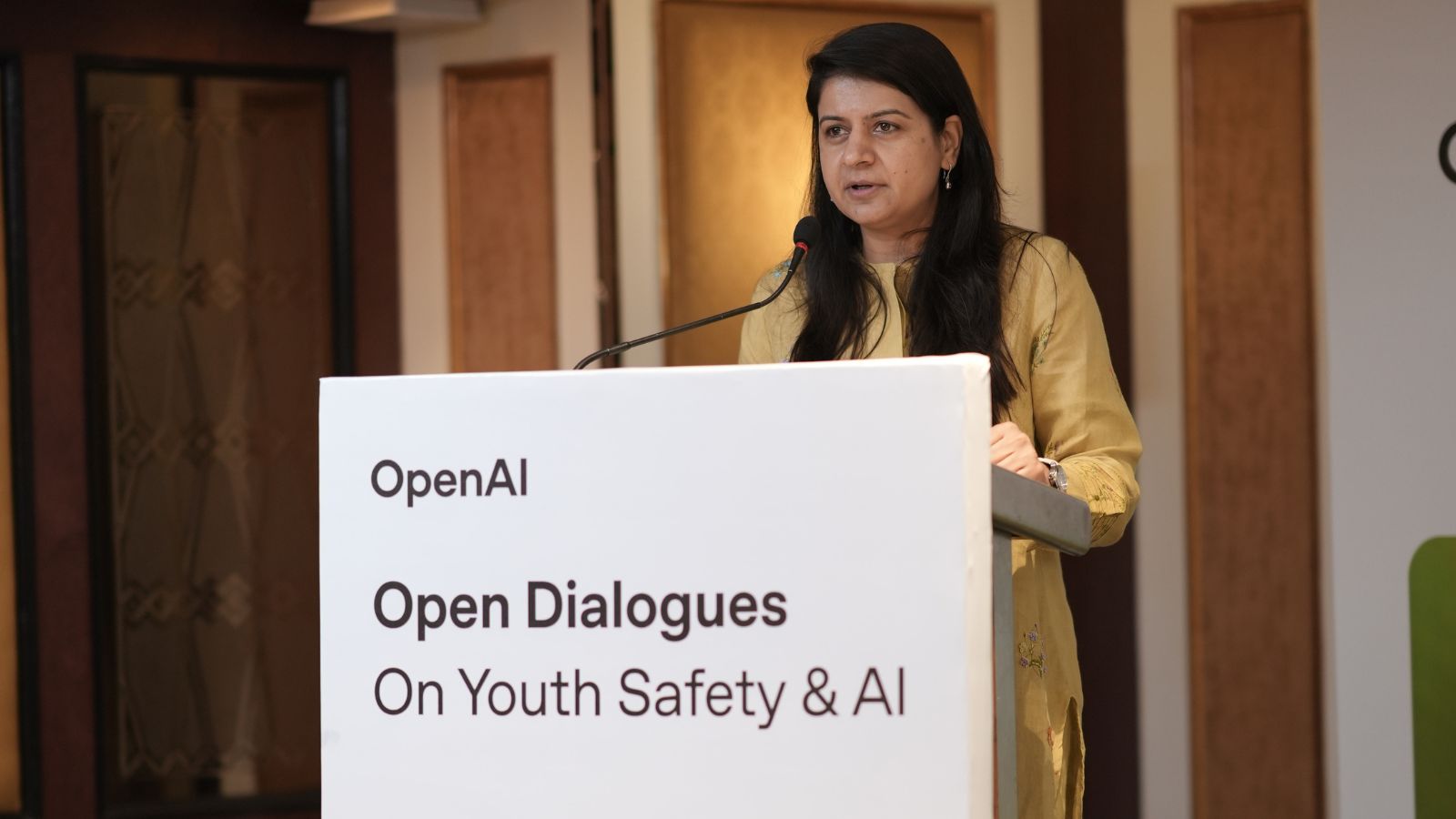
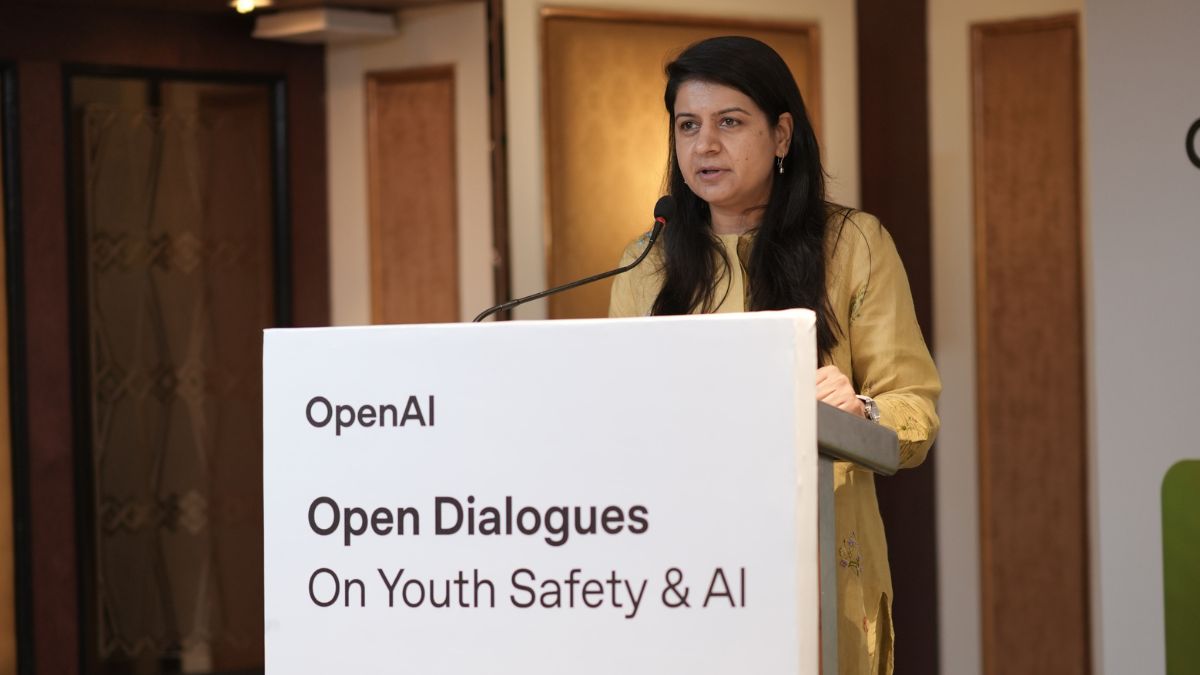
- OpenAI, teenagers aged 13 to 17, their parents or guardians, and Pragya Misra, OpenAI's Head of Strategy and Global Affairs in India.
- What
- The launch of ChatGPT for Teens, an age-specific ChatGPT experience combining learning tools, stronger safeguards, and parental controls.
- Where
- The experience was introduced in India and is rolling out globally to eligible personal ChatGPT accounts.
- When
- The launch was announced on Tuesday, August 18; the articles do not specify the year.
- Why
- OpenAI says it wants to support learning and responsible AI use while reducing risks for younger users and giving parents limited oversight.
Safety and parental guidance
Privacy and teen independence
Parental monitoring
Safety and parental guidance
OpenAI says linked parents should receive notifications about limited high-risk situations and can manage settings or restrict usage through Quiet Hours.
Privacy and teen independence
The company does not propose blanket access to every teen conversation, favoring risk alerts and conversations among parents, teens, teachers, and other trusted adults.
AI and schoolwork
Safety and parental guidance
Study Mode, reminders, quizzes, and visual tools are intended to promote guided, collaborative learning rather than simply supplying answers.
Privacy and teen independence
The articles note concerns that students may rely on ChatGPT for quick answers and lose the productive struggle involved in learning, a risk OpenAI describes as 'brain rot'.
Access for minors
Safety and parental guidance
OpenAI says age-appropriate AI can expand educational opportunity, including outside traditional classrooms and for students with limited access to teachers.
Privacy and teen independence
The stronger safeguards, automatic under-18 placement, and parental controls reflect concerns that minors' access to conversational AI requires additional limits and oversight.
Key facts
- Target users
- Teenagers aged 13 to 17.
- Automatic placement
- Users may enter the teen experience if they state they are 13 to 17 or if OpenAI identifies them as under 18.
- Age signals
- OpenAI says it may consider stated or verified age, account information, usage timing, prompt phrasing, images, and an age-prediction system.
- Safety protections
- Safeguards address self-harm, violence, eating disorders, dangerous activities, and sexually explicit or graphic content.
- Learning features
- The experience includes Study Mode, Responsible Homework Reminders, Study Hours, quizzes, and Learning Visualizations.
- Parental controls
- Linked parents can manage selected settings, set Quiet Hours, and receive safety notifications in limited high-risk situations.
- Rollout
- Global availability for eligible free and paid personal accounts began August 18; full availability in Australia is expected by September 8.
- Additional resources
- OpenAI launched a Parents' Guide to Learning with ChatGPT to help families configure controls and encourage healthy AI habits.
Quotes
Pragya Misra
OpenAI Head of Strategy and Global Affairs for India
“During our own consumer research and analysis, we found that students in schools and colleges use ChatGPT the most. With that in mind, we started thinking of ways in which these students could have the full experience of using AI while also being safe.”
 rediff.com
“"Today young people are already using AI," she said, explaining that the idea for a teen‑specific product emerged from tracking what people actually use ChatGPT for in India.”
 indianexpress.com

OpenAI representative
OpenAI spokesperson describing the teen ChatGPT
“We believe AI should expand educational opportunity, which is why we designed ChatGPT for Teens to support moments outside the classroom when help is not always available.”
 wionews.com
“"ChatGPT for Teens is rolling out globally to eligible accounts on both free and paid personal ChatGPT plans starting August 18."”
 businesstoday.in
Sources
‘We want to empower parents’: OpenAI on safety, privacy and ChatGPT for Teens

OpenAI Launches ChatGPT For Teens
OpenAI launches ChatGPT for Teens: Parental Controls, study mode, and more features explained

OpenAI Rolls Out ChatGPT for Teens with Stronger Safety Controls
ChatGPT for Teens? OpenAI rolls out new version with safety features – All you need to know
OpenAI Launches ChatGPT For Teens With Stronger AI Safeguards, Study Tools And Parental Controls

OpenAI introduces ChatGPT for teens with stronger safety and learning features
Related news

OpenAI Launches ChatGPT for Teens With Stronger Safeguards
OpenAI Launches ChatGPT for Teens With Stronger Safety Controls
Why ChatGPT for Teens May Not Ensure Child Safety

OpenAI Launches ChatGPT for Teens With New Safety Protections

ChatGPT for Teens Adds Safeguards, But Risks Remain