1 hr ago
BRICS New Delhi Declaration Sets Broad Agenda Without Common Currency
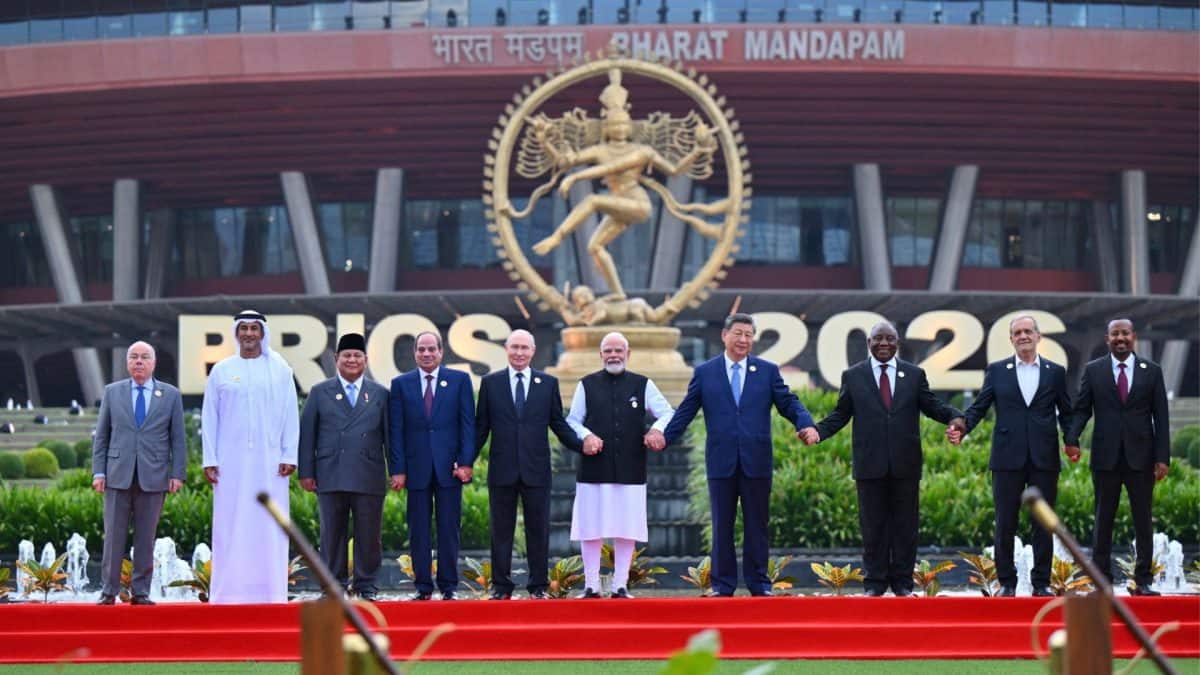
BRICS countries met in New Delhi and agreed on a large plan called the New Delhi Declaration.
The plan discusses many world problems, including money, wars, health and climate change.
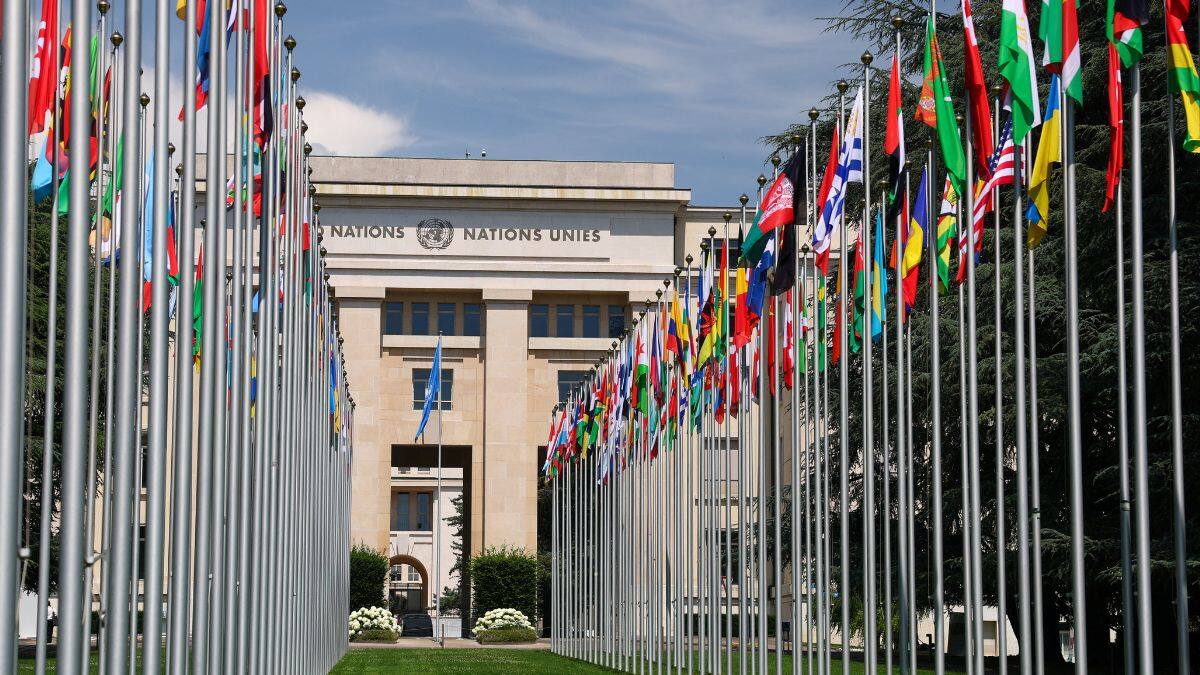
The countries said they would like the next United Nations leader to be a woman.
They also want the International Monetary Fund and World Bank to give developing countries a stronger voice.
The declaration supports Palestinian statehood and calls for an end to violence and forced displacement.
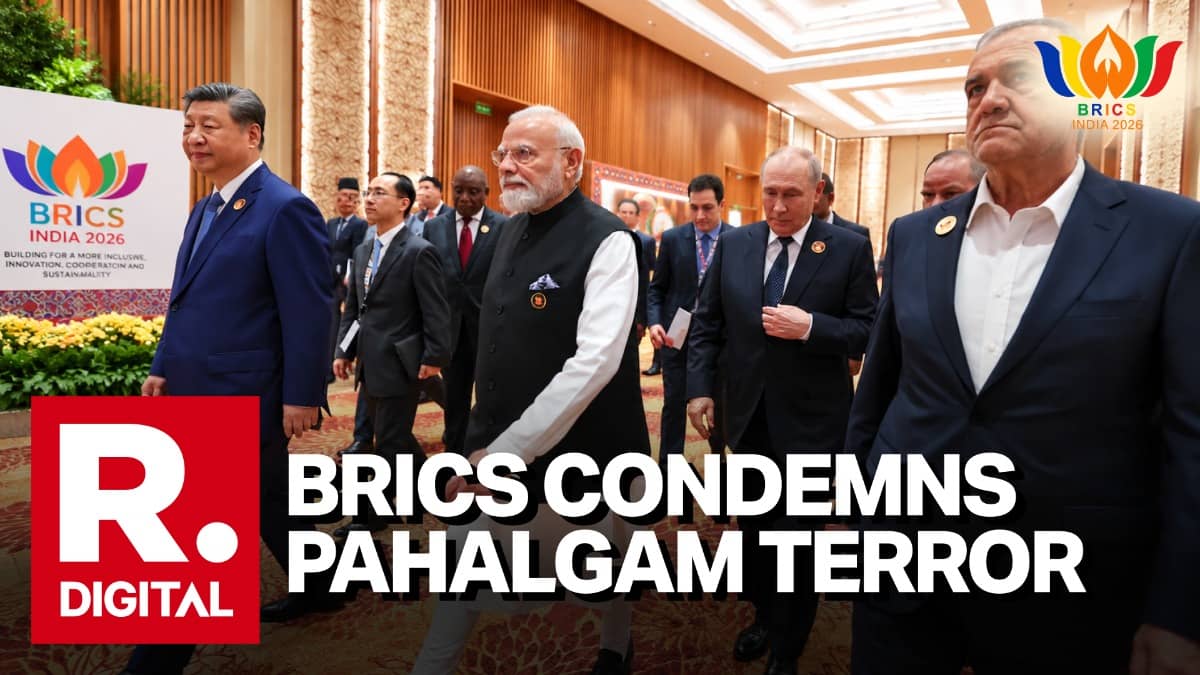
It strongly condemns terrorism, including an attack in Jammu and Kashmir in April 2025.
The countries also promised to support nuclear safety and prevent weapons from being placed in outer space.
They said obesity and mental health need more attention around the world.
BRICS will not create one shared currency, but it will encourage countries to trade using their own currencies.

The 18th BRICS Summit in New Delhi unanimously adopted a 140-point declaration on global governance, finance, security, health, climate and trade.
BRICS leaders called for a woman to become the next United Nations Secretary-General after António Guterres completes his term in December 2026.
The declaration urged reforms to the International Monetary Fund and World Bank to improve regional representation and leadership selection.
Leaders endorsed Palestinian statehood, condemned terrorism including the April 2025 Pahalgam attack, and reaffirmed commitments to nuclear non-proliferation.
The bloc rejected plans for a common currency, instead supporting local-currency financing, settlements and interoperable digital payment networks.
- Who
- Leaders of the BRICS countries participating in the 18th BRICS Summit.
- What
- They unanimously adopted the 140-point New Delhi Declaration covering global governance, finance, security, Palestine, health, climate and local-currency trade.
- Where
- New Delhi, India.
- When
- At the 18th summit in 2026, held on a Saturday; António Guterres is due to complete his second UN Secretary-General term on December 31, 2026.
- Why
- To set out a shared vision for a multipolar global order and call for reforms to international institutions while addressing major global challenges.
BRICS and developing-economy priorities
Competing international pressures
Climate and fossil fuels
BRICS and developing-economy priorities
BRICS said fossil fuels will remain important, particularly for emerging and developing economies, and called for just, orderly and inclusive energy transitions supported by climate finance and technology transfer.
Competing international pressures
The article describes Western nations as advocating aggressive, immediate phase-outs of fossil fuels, while developing economies rely on coal, oil and natural gas for industrial development and energy access.
Global financial institutions
BRICS and developing-economy priorities
The declaration called for merit-based, inclusive and transparent reforms that give emerging markets and developing economies greater representation in the IMF and World Bank.
Competing international pressures
The existing Bretton Woods system is described as disproportionately shaped by Europe and North America, while developing nations criticize austerity conditions, borrowing costs and slow development financing.
Key facts
- Declaration
- A unanimous, 140-point New Delhi Declaration
- UN leadership
- BRICS called for a woman to become the next UN Secretary-General
- Financial reform
- The declaration urged more inclusive and transparent leadership selection at the IMF and World Bank
- Palestine
- The bloc reaffirmed support for Palestinian statehood, UN membership and a two-state solution
- Terrorism
- The declaration condemned the April 22, 2025 Pahalgam attack, which killed 26 people
- Public health
- Obesity, non-communicable diseases and mental health were identified as major priorities
- Currency policy
- BRICS rejected a common currency and backed local-currency settlements and digital payment networks
Quotes

New Delhi Declaration
Collective declaration adopted by leaders at the 18th BRICS Summit.
“We condemn in the strongest terms the terrorist attack in Jammu and Kashmir on 22 April 2025, during which 26 people were killed and many more injured. We reaffirm our commitment to combating terrorism in all its forms and manifestations, including the cross-border movement of terrorists, terrorism financing and safe havens.”
 firstpost.com
“We acknowledge fossil fuels will still play an important role in the world’s energy mix, particularly for emerging markets and developing economies, and we recognise the need to promote just, orderly, equitable and inclusive energy transitions and reduce GHG emissions in line with our climate goals.”
firstpost.com
Sources
Related news
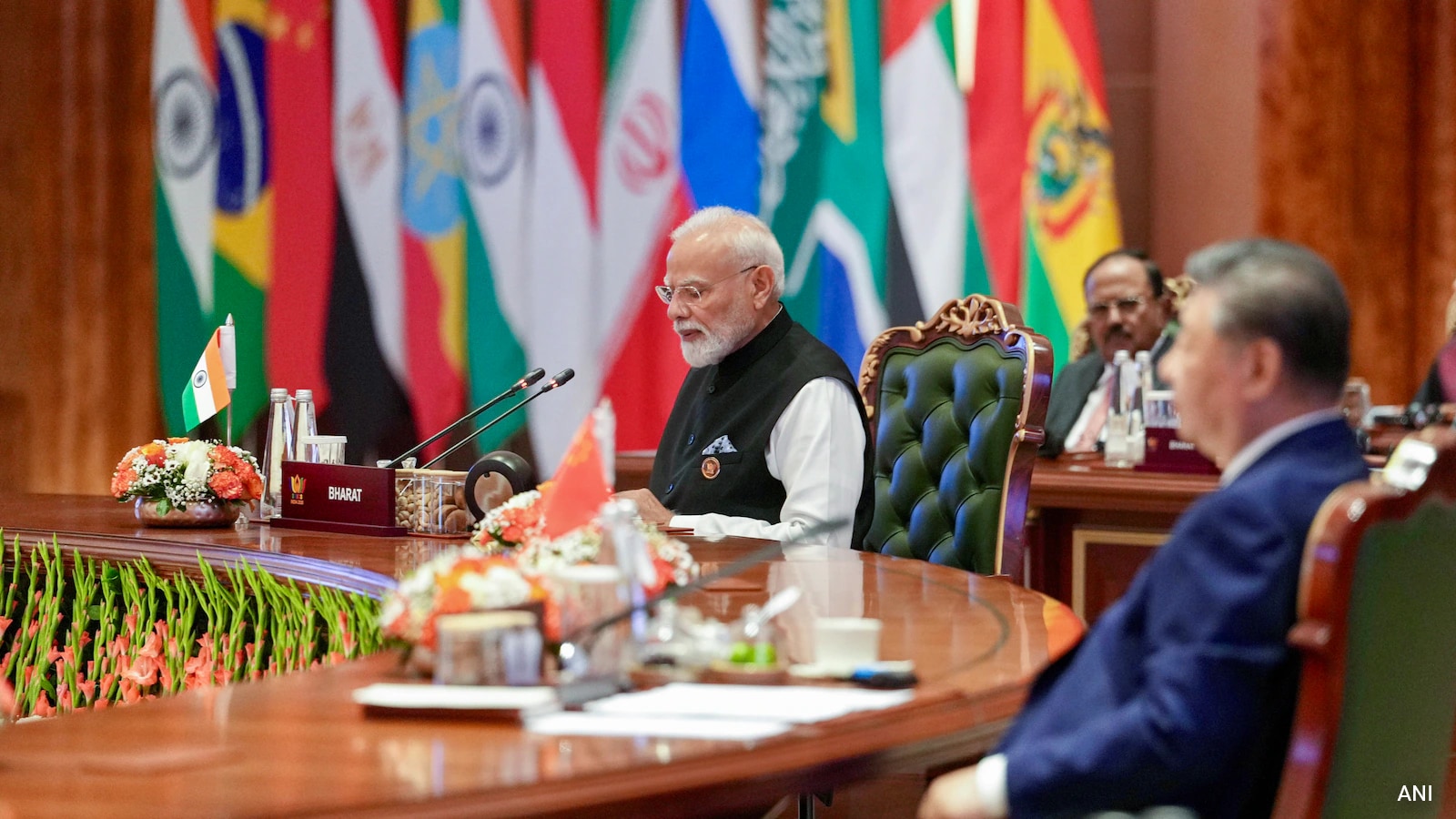
BRICS Leaders Adopt New Delhi Declaration on Global Reforms

BRICS Calls for UN Reform, Greater Global South Representation

BRICS Declaration to Emphasize Terrorism, Reform and Global South
BRICS Adopts New Delhi Declaration Amid Global Divisions
BRICS Declaration Backs India’s UN Role, Condemns Kashmir Attack, Tariffs

BRICS Summit Adopts New Delhi Declaration After Overnight Consensus

Rodrigues-Birkett Leads Informal UN Secretary-General Poll, Results Show
Ecuadorian UN Candidate Baki Pledges Conflict Prevention and Renewal

UNCTAD Head Grynspan Leads UN Secretary-General Election Poll