4 hrs ago
RBI Rate Hike May Test Housing Demand, Auto Impact Limited
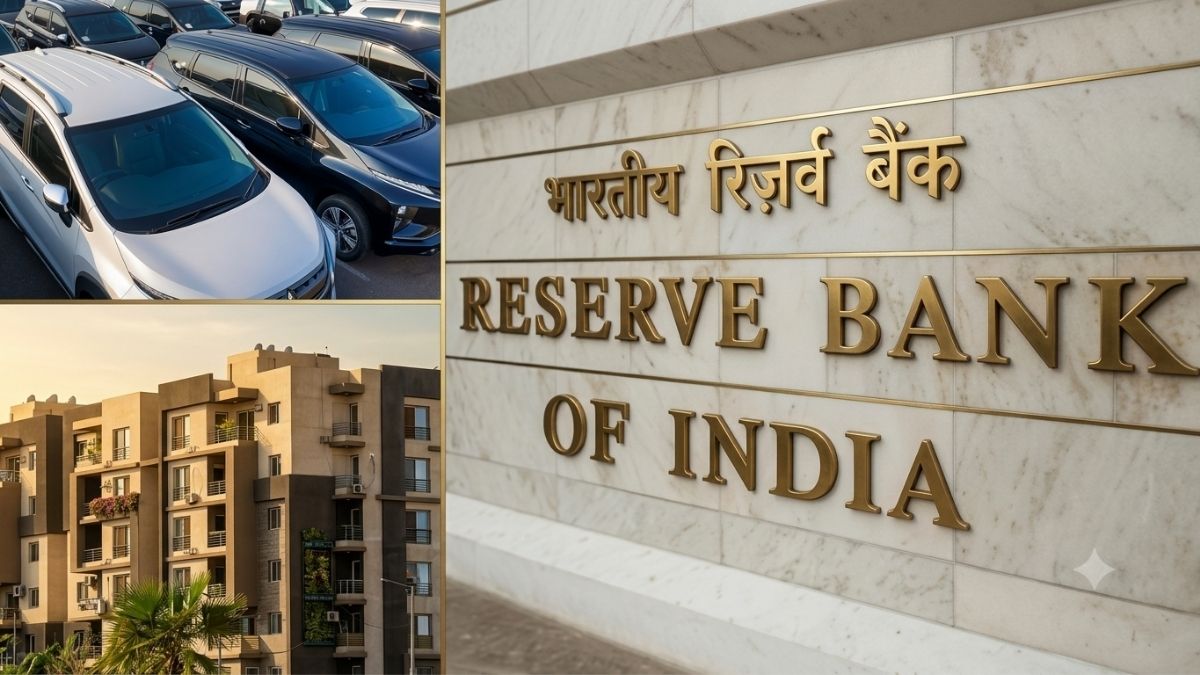
India’s central bank raised the rate it uses to guide borrowing costs by a small amount.
This could make home loans and vehicle loans more expensive.
Property experts say that may lead some people, especially budget-conscious buyers, to delay buying a home.
Home prices in the biggest cities have also risen, making affordability a concern.
Some property leaders nevertheless expect the sector to remain resilient or say the hike will have little effect.
Auto industry voices expect only a limited impact on vehicle sales.
One expert said festive-season purchases depend more on people’s income and confidence than small changes in monthly payments.
The articles say housing demand may feel more pressure than car and two-wheeler demand.

The Reserve Bank of India raised the repo rate by 25 basis points.
Industry voices said higher borrowing costs may pressure homebuyer sentiment, especially in mid-income and affordable segments.
Anarock reported average residential prices in the top seven cities rose 7% year-on-year.
Sales across the top cities showed no growth in the first nine months of CY26; Mumbai edged higher while the NCR declined.
Automotive-sector representatives expect a marginal effect on demand, with festive purchases driven more by income and sentiment than small EMI changes.
- Who
- The Reserve Bank of India and representatives from real estate and automotive sectors.
- What
- The RBI raised the repo rate by 25 basis points, prompting differing assessments of the likely effect on housing and vehicle demand.
- Where
- India, including major residential markets such as Mumbai and the National Capital Region.
- When
- The rate decision was reported alongside sales figures for the first nine months of 2026.
- Why
- Higher borrowing costs may increase loan payments and affect buyer sentiment; the articles also cite affordability, income visibility, and festive-season sentiment as factors shaping demand.
Greater impact expected
Limited impact expected
Residential real estate demand
Greater impact expected
Some experts said higher home-loan costs could weaken sentiment, stretch affordability, and delay decisions, especially among mid-income and affordable buyers.
Limited impact expected
Other property leaders said the hike would have little effect or would not materially disrupt the sector’s broader trajectory.
Automotive demand
Greater impact expected
Amar Seth of FADA said higher transaction costs could marginally affect demand, particularly because many vehicle purchases are financed.
Limited impact expected
Sanjay Tripathi said the hike was unlikely to materially affect festive purchases, which depend more on sentiment and income visibility than marginal EMI changes.
Key facts
- Repo rate change
- Increase of 25 basis points
- Residential sales
- The top cities recorded no growth during the first nine months of CY26.
- Mumbai and NCR
- Mumbai sales were marginally higher; the National Capital Region declined during the first nine months of 2026.
- Residential prices
- Anarock Research said average prices in the top seven cities rose 7% year-on-year.
- Vehicle financing
- FADA’s Amar Seth said around 70% of vehicle purchases are financed.
- Expected housing effect
- Experts cited potential pressure on sentiment and affordability, particularly in price-sensitive segments.
- Expected auto effect
- Industry views described the impact on vehicle demand as marginal or not material.
Quotes
Pradeep Aggarwal
Founder and chairman of Signature Global
“With the rate hike, dearer home loans will make buyers more selective and cause decision timelines to extend, particularly in the price-sensitive segments.”
 financialexpress.com
“People buy automobiles based on overall income visibility, bonus payouts, cash flow, exchange and finance schemes.”
financialexpress.com
Sources
Related news

RBI Rate Hike Tests Festive Housing Demand, Experts See Resilience
RBI Rate Hike Could Affect Home, Car and Property Decisions
RBI Rate Hike May Gradually Pressure Affordable Housing

Possible RBI Repo Rate Hike May Raise Home Loan Costs

RBI Rate Hike Raises Home Loan Costs for Buyers
RBI Rate Hike Could Lift EMIs, While Housing Demand Holds
India’s Housing Construction Pipeline Nearly Doubles To USD 430 Billion

Six Companies File IPO Papers With SEBI Amid Market Rush