4 hrs ago
RBI Rate Hike Could Affect Home, Car and Property Decisions
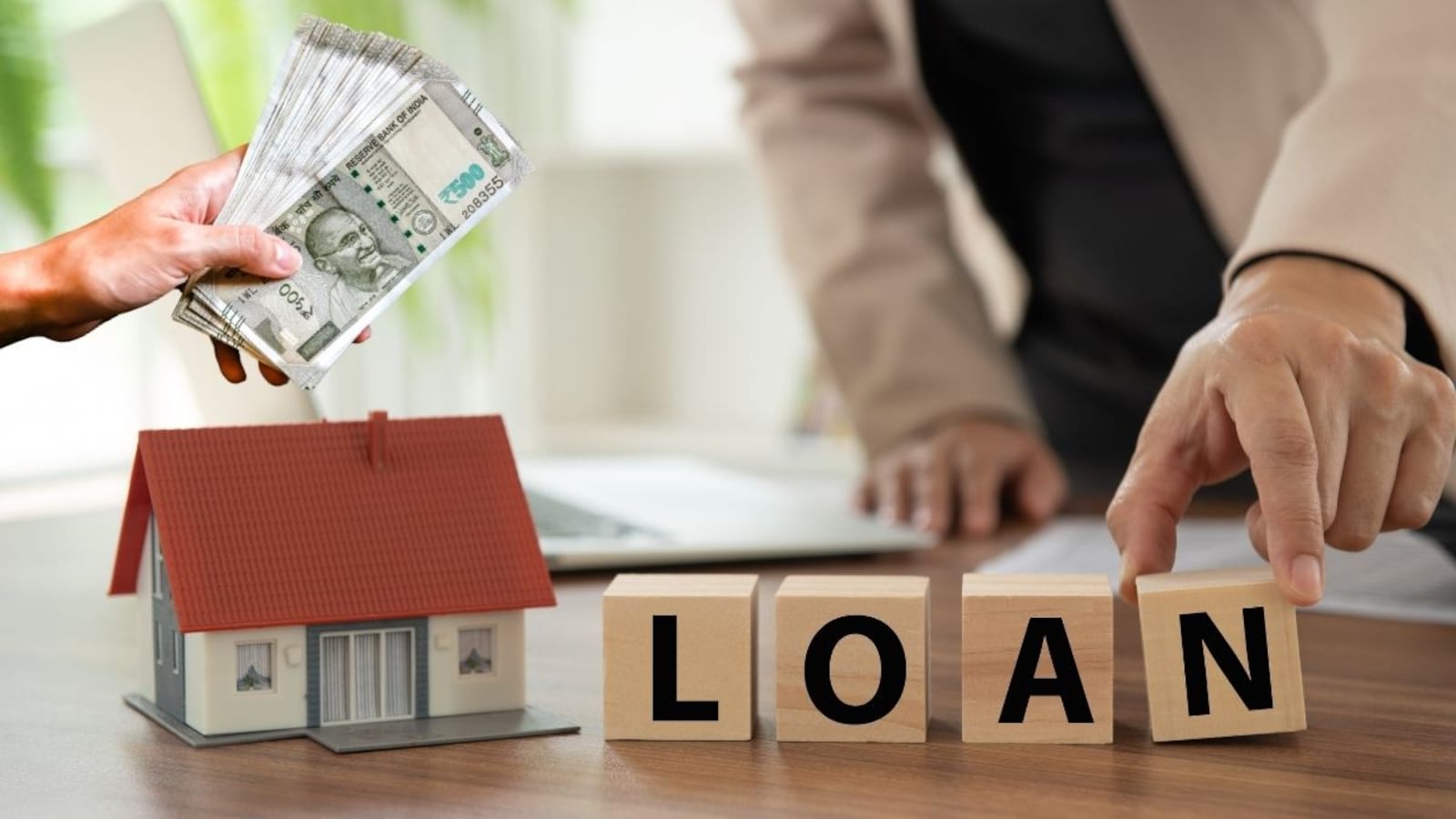
The Reserve Bank of India may raise its main interest rate from 5.25 per cent to 5.5 per cent.
If it does, some loans for homes and cars could become more expensive.
Banks might ask borrowers to pay more each month or take longer to repay.
Some people may wait before buying a home, especially during the festive season when many homes are usually sold.
Builders might offer discounts or other deals to attract buyers.
Businesses that build or own property could also face higher financing costs.
Banks may offer better interest rates on fixed deposits, which could help savers.
The article says the rate decision could affect whether people borrow, invest or wait.

The RBI is expected to consider a 25-basis-point repo rate increase to 5.5 per cent amid inflationary pressures, volatile crude prices and pressure on the rupee.
Property executives say higher borrowing costs could make some homebuyers delay purchases during the important festive sales period.
Developers may respond to slower demand with incentives, discounts and interest subvention schemes.
A rate increase could raise costs for floating-rate home and car loans, with banks potentially increasing EMIs or extending loan tenures.
Higher deposit rates could benefit savers, while investors may reassess fixed deposits, commercial property and other rate-sensitive assets.
- Who
- The Reserve Bank of India and people and businesses borrowing, buying or investing in property.
- What
- The RBI is expected to consider a 25-basis-point repo rate hike to 5.5 per cent, which could affect borrowing costs and investment choices.
- Where
- India.
- When
- At the RBI's 2026 monetary policy committee meeting; an exact meeting date is not given.
- Why
- Inflationary pressures are building, crude oil prices are volatile and the rupee is under pressure.
Reasons to be cautious
Potential offsets
Home purchases
Reasons to be cautious
A higher rate could increase borrowing costs, and high property prices and global uncertainty may lead some buyers to postpone purchases.
Potential offsets
The article notes that the immediate EMI increase may not be a major concern for first-time buyers, and developers could offer incentives, discounts or interest subvention.
Property investment
Reasons to be cautious
Higher financing costs could pressure valuations in rate-sensitive segments and affect commercial real estate and REITs.
Potential offsets
Long-term leases may provide some stability, while affordable and rental housing could remain relatively resilient if end-user demand stays firm.
Saving versus borrowing
Reasons to be cautious
Borrowers could face higher outflows on floating-rate home and car loans.
Potential offsets
Banks may raise fixed deposit rates, potentially making short- to medium-term FDs more attractive to savers.
Key facts
- Possible repo rate
- 5.5 per cent
- Possible increase
- 25 basis points
- Current rate referenced
- 5.25 per cent
- Potential borrower impact
- Floating-rate home and car loans could become more expensive; banks may raise EMIs or extend loan tenures.
- Potential developer response
- Incentives, discounts and interest subvention schemes could be used to support sales.
- Potential saver impact
- Banks may increase fixed deposit rates.
- Property segments discussed
- Commercial property and REITs could face higher financing costs; affordable and rental housing could be relatively resilient if end-user demand remains firm.
Sources
Related news

RBI Rate Hike Tests Festive Housing Demand, Experts See Resilience

Possible RBI Repo Rate Hike May Raise Home Loan Costs
RBI Rate Hike Could Lift EMIs, While Housing Demand Holds
RBI Raises Repo Rate to 5.50%: Impact on Loans and Deposits

SBI Research Predicts Two RBI Repo Rate Hikes, Higher EMIs
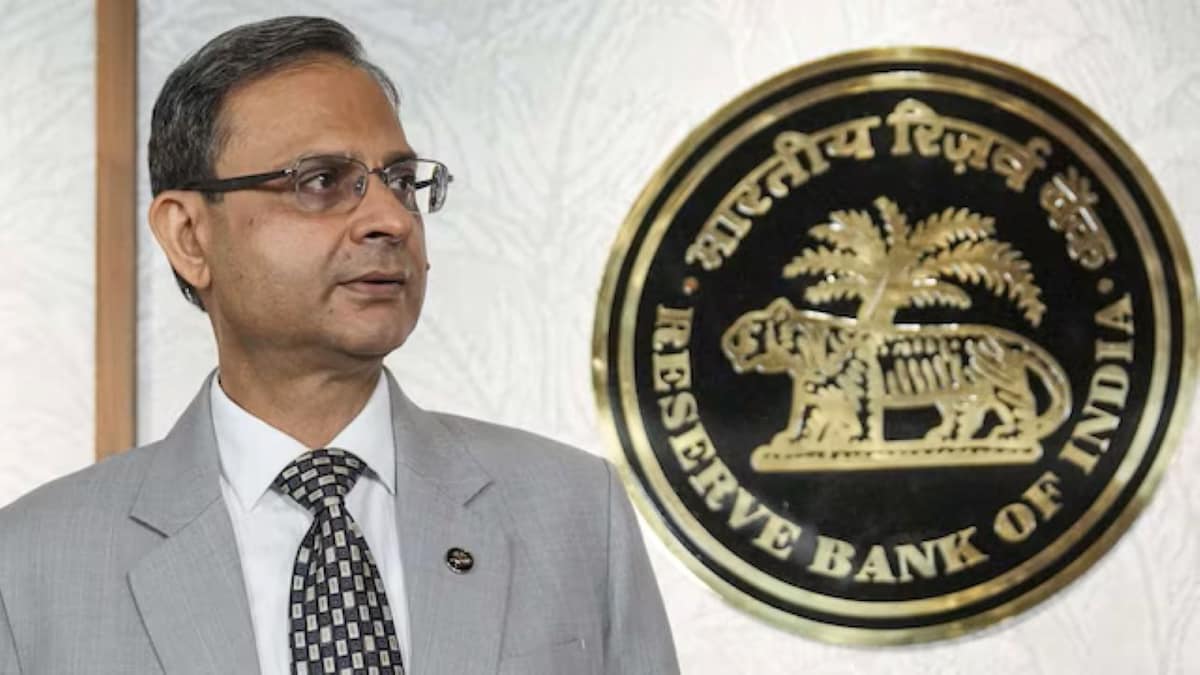
RBI Rate Hike Looms as Inflation Fuels Policy Debate

India Presents “Rising Together” Vision for 2036 Olympic Bid
Modi Says 25 Years of Service Belong to Every Indian
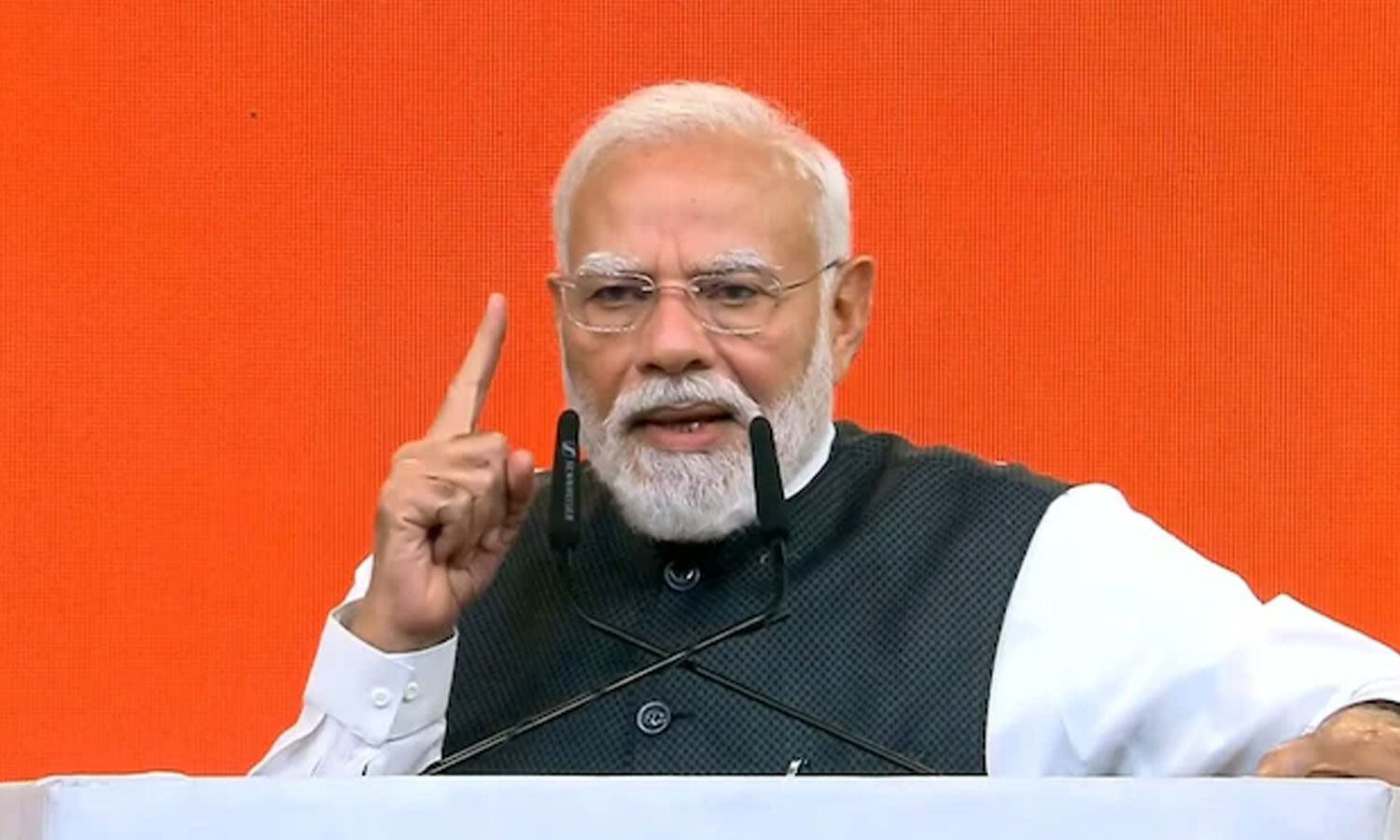
Modi Urges Mission-Driven Effort for Viksit Bharat 2047
Modi Says His 25 Years in Governance Served the Nation
Shah Calls October 7 Historic as Modi Marks 25 Years