

4 hrs ago
Why Tata Sons Faces Growing Pressure to Go Public

Tata Sons is the company that helps control the wider Tata Group.
India’s central bank reportedly wants it to become a publicly traded company.
Tata Sons has tried to avoid this because a listing would require more financial information and closer supervision.
The company was classified under rules for large financial companies.
Those rules generally require such companies to list their shares within three years.
Tata Sons tried to surrender its financial-company registration and reduce its debt.
New rules now cover more holding companies connected to financial businesses.
This makes it harder for Tata Sons to remain private.

The Reserve Bank of India reportedly rejected Tata Sons’ request for an exemption from mandatory listing rules.
Tata Sons has resisted an IPO because listing would bring stricter oversight and greater disclosure of group dealings.
RBI rules classify Tata Sons as an upper-layer non-banking financial company because of its balance-sheet size and group investments.
Rule changes taking effect July 1 broadened the framework to cover holding companies linked to group companies involved in lending or borrowing.
Tata Sons’ affiliated companies, including Tata Capital, continue to raise funds, making a regulatory exemption more difficult.
- Who
- Tata Sons, the Tata Group holding company, and the Reserve Bank of India.
- What
- The RBI reportedly rejected Tata Sons’ request to avoid regulatory requirements that could require it to list publicly.
- Where
- In India, with a potential listing on Indian stock exchanges.
- When
- The pressure increased after rule changes in May and June, with revised provisions due to take effect July 1.
- Why
- The RBI classifies Tata Sons under rules for large, systemically important non-banking financial companies and seeks greater transparency and oversight.
Case for Remaining Private
Case for Mandatory Listing
Regulatory burden
Case for Remaining Private
Tata Sons has sought to avoid an IPO and tighter scrutiny of its internal dealings and capital allocation.
Case for Mandatory Listing
The RBI’s framework treats large, systemically important financial companies as requiring stronger oversight.
Financial-company registration
Case for Remaining Private
Tata Sons applied to surrender its non-banking financial company registration and clear its outstanding debts to avoid the listing requirement.
Case for Mandatory Listing
The reported rejection of that application and the revised rules leave Tata Sons with less scope to avoid classification and listing.
Group financial links
Case for Remaining Private
Tata Sons itself does not deal directly with customers in day-to-day business, which it cited in seeking deregistration.
Case for Mandatory Listing
Its affiliated companies, including Tata Capital, conduct lending-related activities and raise funds, bringing the holding company within the regulator’s broader framework.
Key facts
- Regulator
- Reserve Bank of India
- Company involved
- Tata Sons Private Limited
- Regulatory classification
- Upper-layer non-banking financial company
- Balance-sheet threshold cited
- More than ₹1.50 lakh crore
- Ownership cited
- Tata Trust owns about two-thirds of Tata Sons’ equity; Tata Group companies own another 13%.
- Listing rationale
- A public listing would increase transparency, disclosure and regulatory scrutiny.
- Related financial business
- Tata Capital, a wholly owned subsidiary, continues to raise money from individuals and institutions.
Quotes
Avinash Gorakshkar
Founder of Avinash Mentor Research, discussing Tata Sons’ regulatory classification and listing requirement.
“Under the new RBI rule post-IL&FS debt default, Tata Sons got classified as 'Upper Layer NBFC. This means Tata Sons' balance sheet exceeds ₹1.50 lakh crore. The new RBI rule says that such companies have to list their company within three years on the Indian bourses”
 livemint.com
“Around two-thirds of the Tata Sons equity capital is owned by Tata Trust, while another 13% of the company's equity capital is owned by the Tata Group companies, which deals in the lending business.”
livemint.com
Sources
Related news

RBI Rejects Tata Sons Exit Bid, Reviving Mandatory Listing
Tata Sons Faces IPO Deadline After RBI Rejects Deregistration
RBI Rejects Tata Sons Exit, Mandatory Listing Moves Closer
RBI Listing Directive Puts Tata Sons Stakeholders in Focus
RBI Rejection Puts Tata Sons IPO and Leadership in Focus

Tata Sons Board Weighs RBI Order, IPO and Leadership

Shareholders caught in crossfire as Sebi bans Zee promoters

Apollo Tyres Q1 Net Profit Surges to ₹348.87 Crore

Delhi, Oil India Sign MoU for 800 TPD Biogas Plants
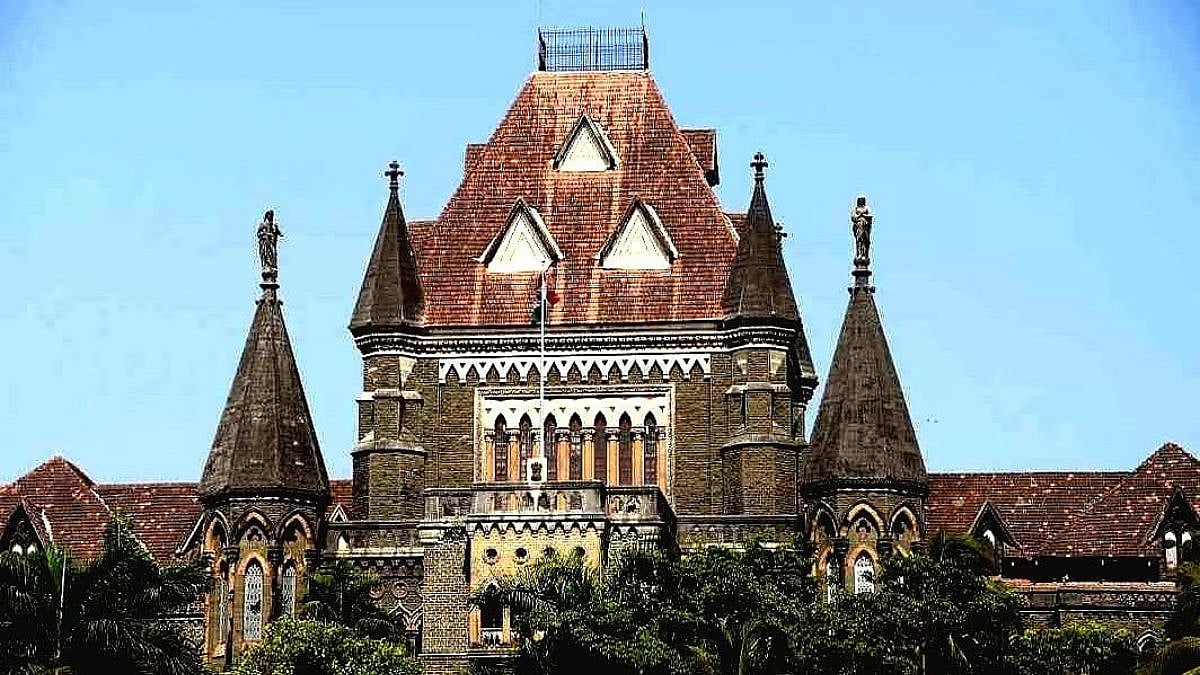
Mumbai's Financial Fraud Cases Face Delays Despite Fast-Track Courts
