

3 days ago
Why Students Need Space to Question, Experiment, and Learn
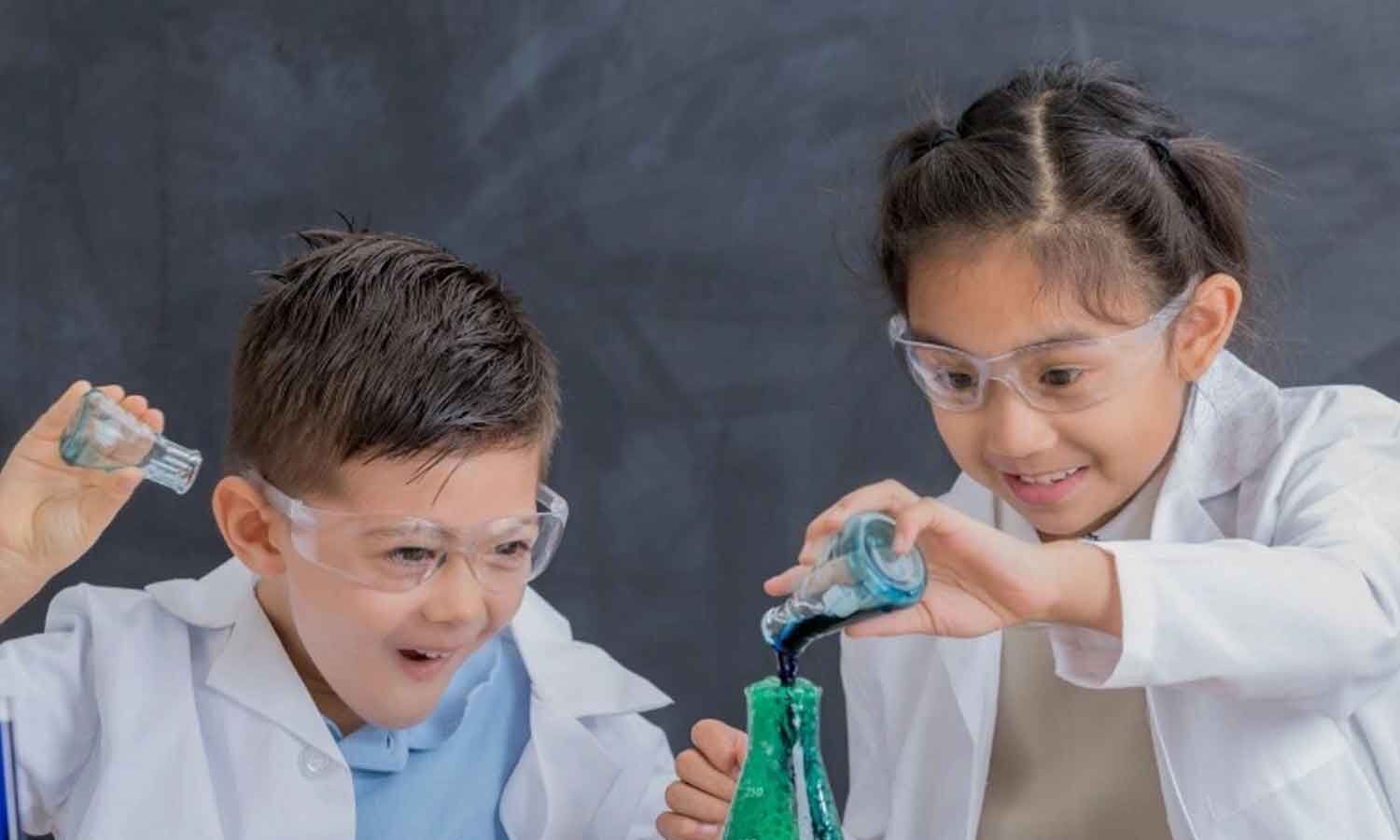
Students learn more deeply when they can ask questions instead of only looking for one expected answer.
They can try different ideas and see what happens.
If an idea does not work, they can change it and try again.
This teaches them that learning is a process.
Teachers can use experiments and investigations in subjects such as science, mathematics, and history.
Lessons can also connect schoolwork to real problems in the community.
For example, students might study how waste is handled or plan an event with a fixed budget.
Teachers give students guidance while allowing them some choice in what they investigate.
These skills can help students think carefully when they face unfamiliar situations.

Questioning helps students examine ideas, consider alternatives, and develop their own understanding.
Experimentation allows learners to test ideas, assess outcomes, and revise their thinking.
Teachers can incorporate inquiry into science, mathematics, history, and other subjects.
Practical projects can connect classroom concepts with real-life challenges such as waste management and budgeting.
Educators need time, resources, professional support, and flexibility to make inquiry-based learning effective.
- Who
- Students, teachers, and schools are the main participants.
- What
- The article explains why students should have opportunities to question, experiment, apply knowledge, and explore different solutions.
- Where
- The approach can be used in classrooms and connected to schools, neighbourhoods, community projects, and other real-life settings.
- When
- The article does not specify a particular time.
- Why
- To help students develop understanding, problem-solving, reasoning, independence, and the ability to consider different perspectives.
Key facts
- Core approach
- Inquiry, questioning, experimentation, and practical application should complement academic knowledge and foundational skills.
- Science example
- Students can test a hypothesis and examine the results rather than simply confirm an expected outcome.
- Mathematics example
- Learners can compare multiple methods for solving a problem or plan a healthy school event for 50 learners.
- Budget exercise
- The example assigns students a fixed budget of ₹10,000 for the event.
- Community connection
- Students could study waste management in their school or neighbourhood and suggest improvements.
- Teacher support
- Educators need appropriate time, resources, professional support, and flexibility.
Quotes
A learner
An illustrative student voice used to show how questioning begins deeper engagement.
“Is there another way to solve it?”
 thehansindia.com
“Let us investigate this together.”
thehansindia.com
Sources
Related news

Sharing Ideas Helps Communities Solve Problems and Create Change

World Dream Day Encourages Students To Turn Dreams Into Action

OpenAI Urges Responsible AI Use While Preserving Student Learning

Smarter Classrooms Need Less Noise and More Learning

How Art and Photography Build Creativity and Critical Thinking
Engineering Education Links Theory With Hands-On Systems Learning

OLPS, Campion, Hiranandani Excel in U-10 Football
