

3 days ago
Humanising AI Makes Online Content Harder to Verify

AI can now write, speak and make videos that look very human.
This makes it harder to know whether something online came from a person or a machine.
Some tools rewrite AI writing so it sounds less repetitive and more natural.
Other systems help AI agents plan tasks and act more like helpful coworkers.
Voice programs can change their tone and react to emotions such as frustration or sadness.
Video tools can create talking avatars and translate people while keeping their expressions and voices.
At the same time, detection tools try to estimate how much of an online post was written by a human.
This creates a race between making AI seem human and finding out where AI was used.

AI-generated text, images, voices and videos are making it harder to distinguish people from machines online.
Tools such as WriteHuman and StealthWriter rewrite AI text to create more natural phrasing, rhythm and variation.
Agent frameworks including CrewAI, LangGraph and Microsoft Copilot Studio make AI systems more context-aware and capable of acting like colleagues.
Voice tools from ElevenLabs, OpenAI and Hume AI aim to produce expressive, emotionally responsive speech, while Adobe Podcast improves imperfect recordings.
HeyGen creates talking avatars and translated videos, while Substack uses Pangram to estimate whether posts contain human-written or AI-assisted material.
- Who
- AI developers and companies including WriteHuman, StealthWriter, CrewAI, LangGraph, Microsoft, ElevenLabs, OpenAI, Hume AI, Adobe, HeyGen, Substack and Pangram.
- What
- AI-humanisation tools are making machine-generated text, voices, interactions and videos more natural, while detection tools try to identify AI assistance.
- Where
- Across the internet, social media, online publishing platforms and AI software systems.
- When
- The article discusses developments described as current and says text-to-speech has advanced in 2026; Substack began scanning material published from July 21.
- Why
- To make AI content and agents more natural, context-aware and useful, while helping people estimate whether online material was human-written or AI-assisted.
Human-like AI development
AI detection and verification
Making AI feel natural
Human-like AI development
Developers are creating tools that make machine-generated writing, speech, video and agent behaviour more conversational, expressive and context-aware.
AI detection and verification
Detection tools are being added to estimate how much content reflects human writing or AI assistance.
Trust online
Human-like AI development
More realistic avatars, voices and writing can make AI useful as a colleague, narrator, translator or content-production tool.
AI detection and verification
The increasing realism makes it more difficult for people to determine whether familiar-looking online content is authentic or digitally generated.
Key facts
- Text tools
- WriteHuman and StealthWriter rewrite AI-generated drafts for more natural phrasing, rhythm and variation.
- Agent frameworks
- CrewAI, LangGraph and Microsoft Copilot Studio support role-based, human-in-the-loop or customised AI interactions.
- Voice generation
- ElevenLabs generates speech with controls for tone, pace and emotional delivery; OpenAI also develops natural voice interaction.
- Emotion-sensitive voice
- Hume AI’s Empathic Voice Interface analyses rhythm, pitch and tone and can adjust responses to detected emotions.
- Audio enhancement
- Adobe Podcast’s Enhance Speech reduces background noise and cleans up voice recordings.
- Video avatars
- HeyGen creates talking avatars from scripts and localises videos while preserving voices, expressions and lip movements.
- AI detection
- Substack uses Pangram to estimate how much text in posts, notes, comments and replies was human-written or AI-assisted.
Quotes
HeyGen
A Los Angeles-based AI video company that creates talking avatars and localises videos.
“Character consistency is what separates a truly useful avatar from a mere gimmick. Avatar V delivers this across every angle, expression, and video you create.”
 financialexpress.com
Sources
Related news

AI Slop Detector Excels at Text, Struggles With Images
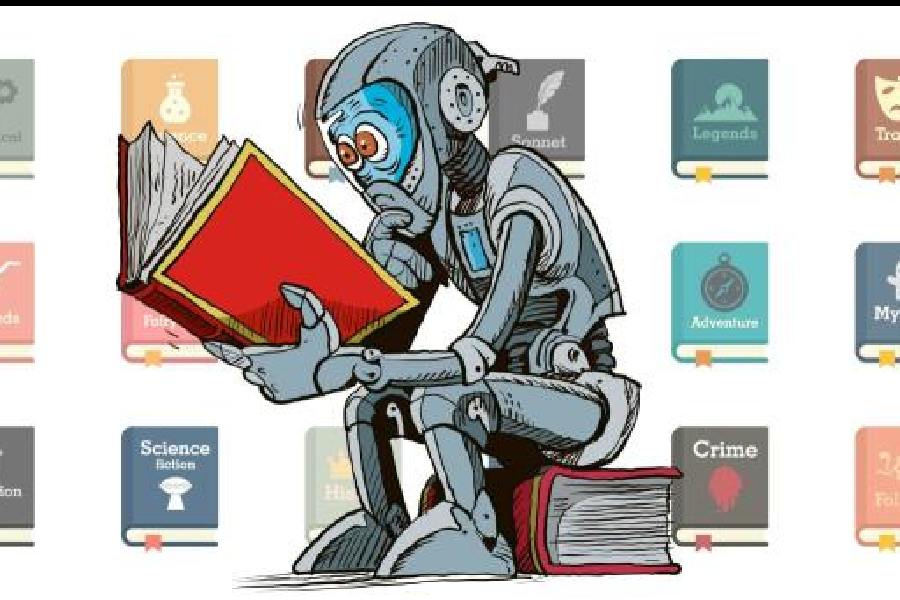
AI Detection Tools Bring Accuracy Questions and Distrust to Writing

Developers Race to Remove Anthropic’s Invisible AI Watermarks

Anthropic adds invisible watermarks to Claude AI-generated text
Anthropic adds invisible watermark to Claude AI-generated text

Weekly AI Wrap: Claude Watermarks, Grok Bot, Gemini Billion Users

ChatGPT Leads June 2026 AI Tool Traffic Rankings
Grok Bot Can See, Click and Type in Early Beta

PSG Partners with Google for AI Assistant and Smartphone

OpenAI's ChatGPT stops mimicking authors' styles
