

3 days ago
How India Shaped Gloria Steinem’s Later Feminist Worldview
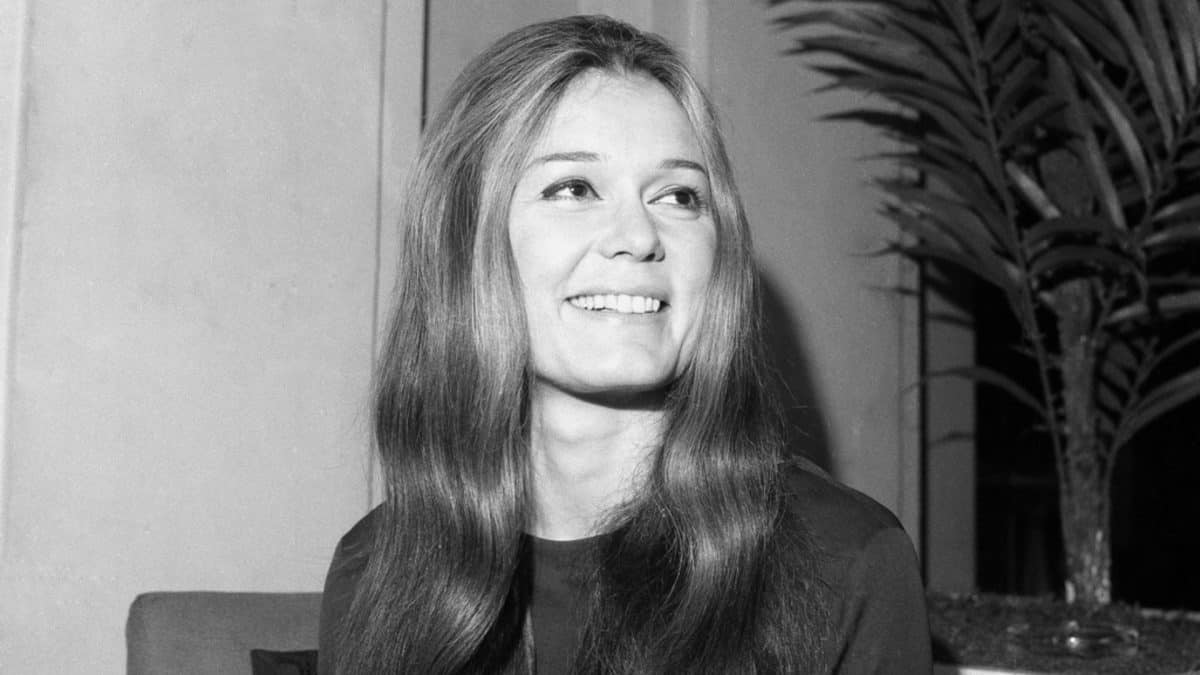
Before Gloria Steinem became a famous feminist, she spent a formative period in India.
She arrived in 1956 after receiving a fellowship to study there.
She attended Miranda House in New Delhi and learned about everyday Indian life from her classmates.
She also wrote articles, advertising copy and her first book, The Thousand Indias.
Steinem later joined a Gandhian group working in villages affected by caste violence.
These activists taught her that people must be listened to and understood before anyone can help them change.
India introduced her to ideas about equality, grassroots action and nonhierarchical thinking.
She later said the experience was a major turning point in her life.
Steinem died in 2026, but the movements and institutions she helped build continued after her death.

Gloria Steinem died aged 92 on September 2, 2026, at her New York City home.
She arrived in India in 1956 after winning a Chester Bowles Asian Fellowship.
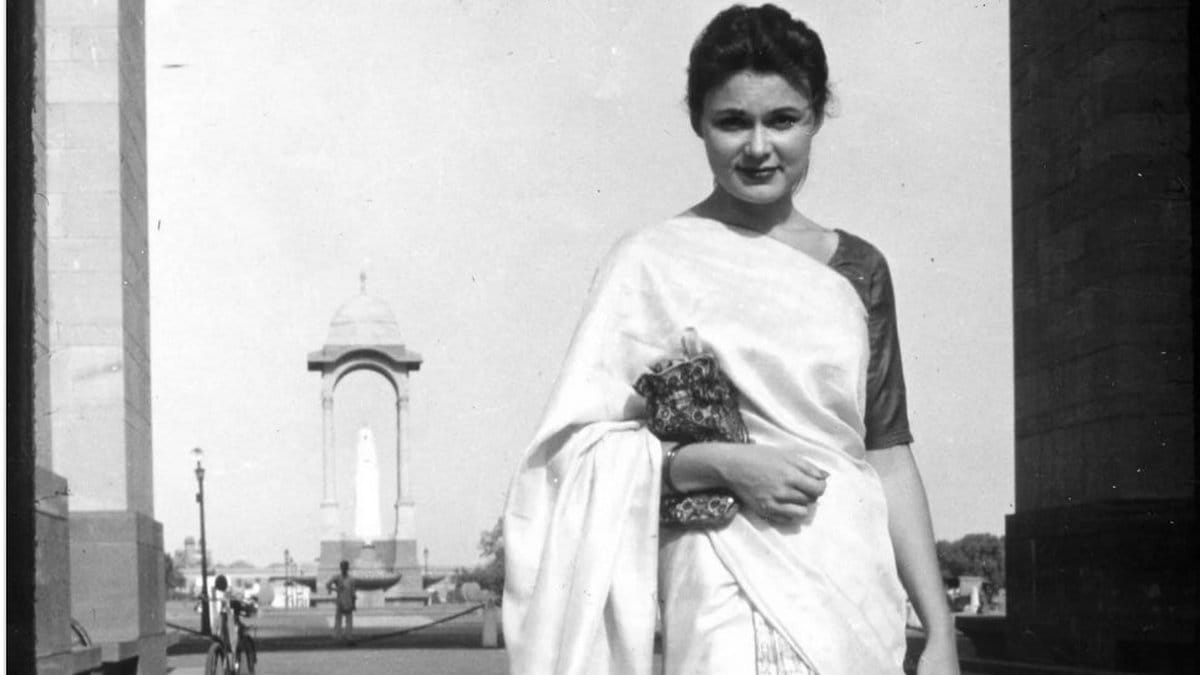
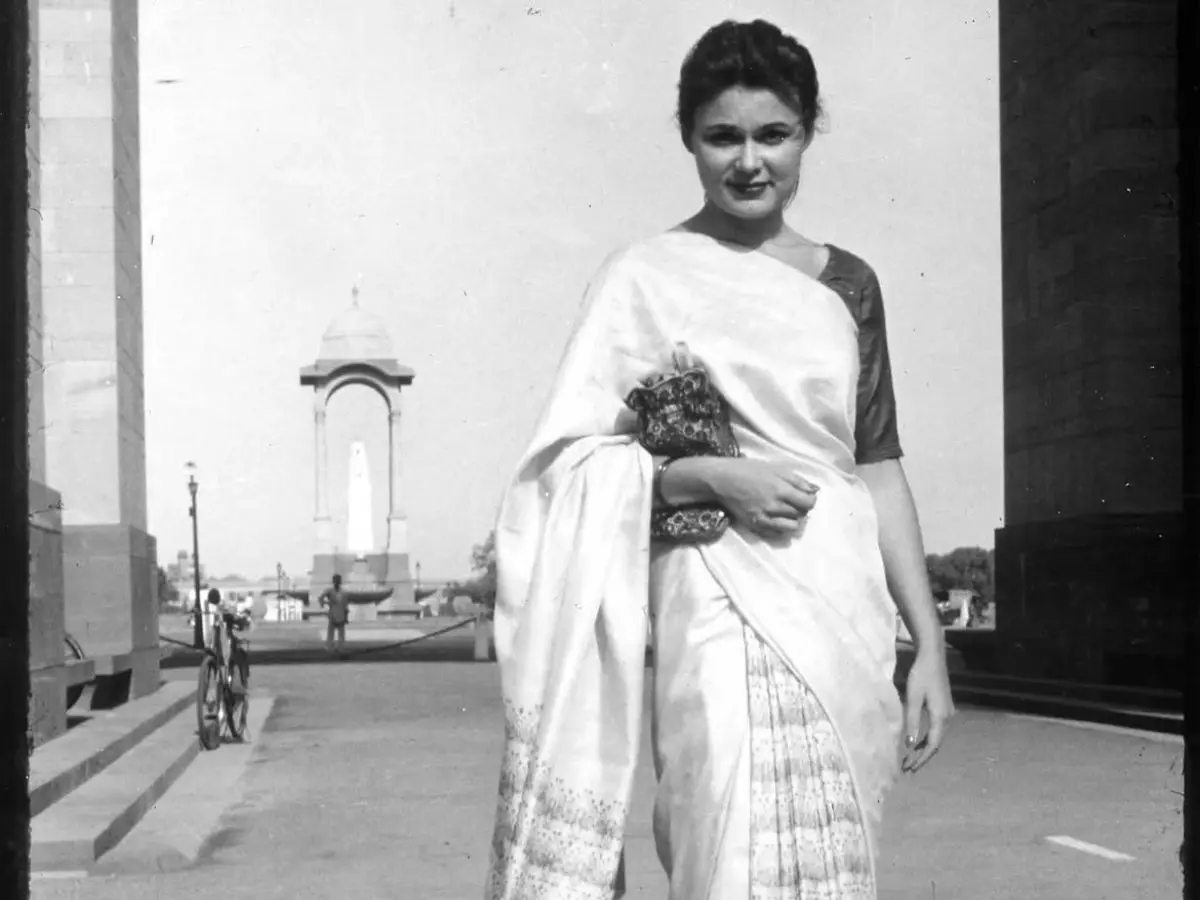
At Miranda House, she studied, learned to wear saris and completed freelance writing assignments.
Her first book, The Thousand Indias, was published in 1957 as a Government of India tourism guide.
Gandhian activism, caste-violence relief work and Indian women’s movements influenced her later ideas about feminism and social change.
- Who
- Gloria Steinem, an American journalist, author and feminist activist.
- What
- She studied, wrote and worked with Gandhian activists during a formative stay in India.
- Where
- She spent time at Miranda House in New Delhi and traveled through villages in Tamil Nadu.
- When
- Her India chapter began in 1956 and lasted roughly eighteen months to two years; The Thousand Indias was published in 1957.
- Why
- She accepted the Chester Bowles Asian Fellowship to study India and sought experiences that would help her understand how people lived and how social change could happen.
Key facts
- Arrival in India
- Steinem traveled to India in 1956 as a 22-year-old Smith College graduate after winning a Chester Bowles Asian Fellowship.
- Length of stay
- Accounts describe her stay as lasting approximately eighteen months to two years.
- Miranda House
- She studied at the University of Delhi’s Miranda House and was described as one of only two Westerners there.
- First book
- The Thousand Indias was published in 1957 as a guide commissioned to encourage American students and academics to visit India.
- Gandhian activism
- Steinem joined one of Vinoba Bhave’s teams and traveled through Tamil Nadu villages affected by caste violence.
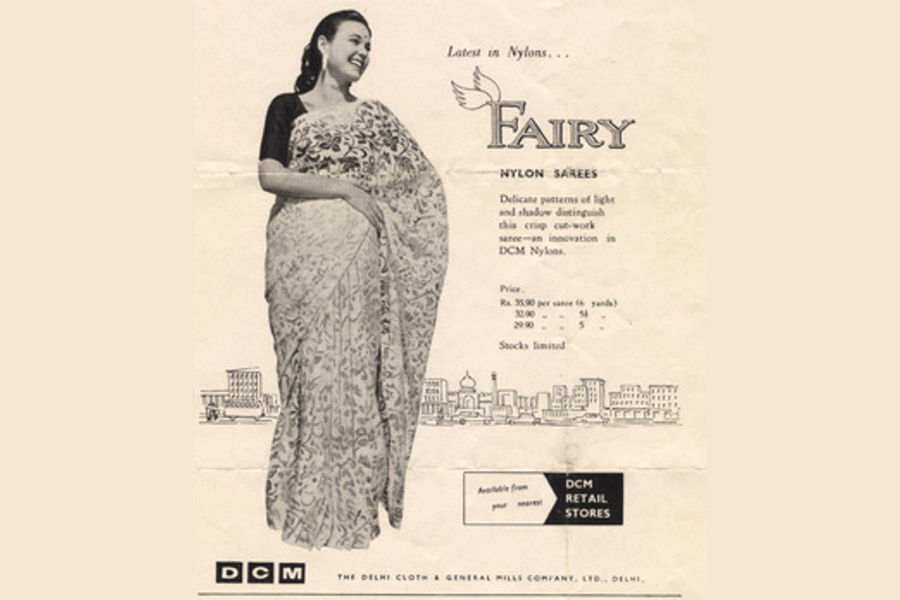
- Sari advertisement
- She appeared as the face of a DCM nylon sari advertisement in 1958.
- Later India connection
- In 1976, Steinem and Devaki Jain interviewed Kamaladevi Chattopadhyay at her home in Delhi.
Quotes

Gloria Steinem
American writer, editor, and feminist activist describing lessons from her time in India.
“If you want people to listen to you, you have to listen to them. If you hope people will change how they live, you have to know how they live. If you want people to see you, you have to sit down with them eye-to-eye.”
 theprint.in
“They taught me to wear saris and were generally more instructive about India than was the curriculum, which was still shaped by the English system.”
theprint.in
Sources
Related news
How India Shaped Gloria Steinem’s Feminist Journey
How India Shaped Gloria Steinem’s Feminist Leadership and Activism

How India Shaped Gloria Steinem’s Feminist Organizing Lessons

Gloria Steinem Found Radical Listening During Two Years in India

Gloria Steinem, Pioneering Feminist Leader, Dies at 92

Why Gloria Steinem’s Legacy Still Matters Across Feminism’s Waves
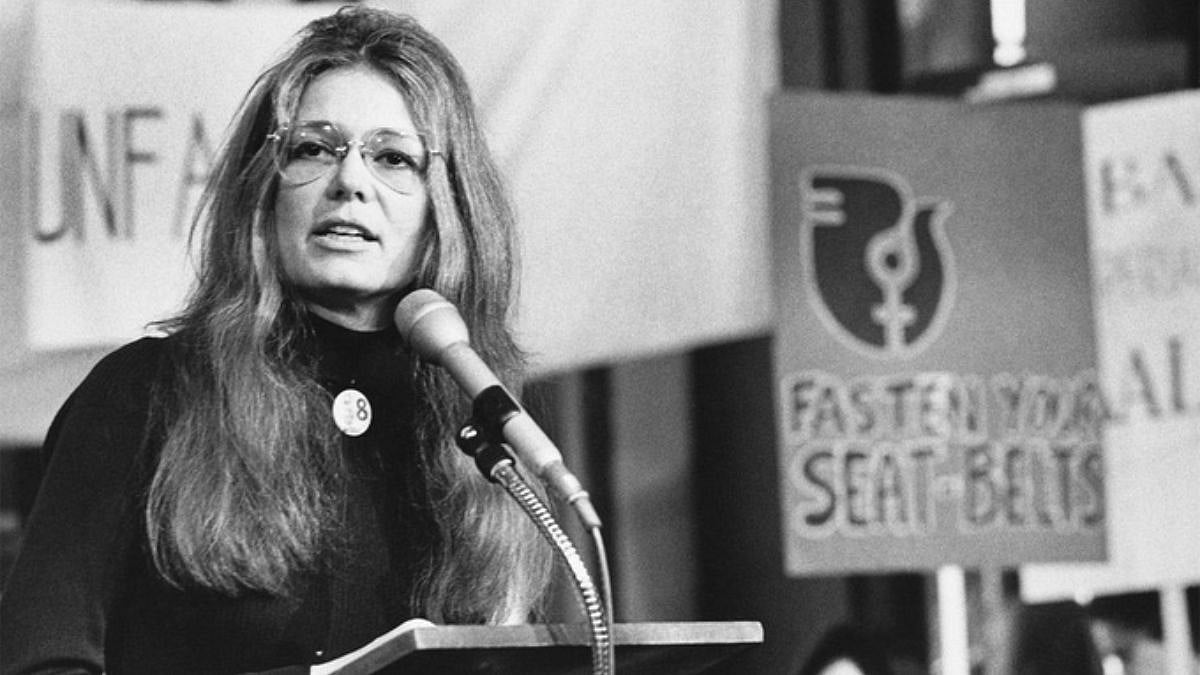
Gloria Steinem, Women’s Rights Warrior, Dies at 92
Two Gramophone Records Trace Vande Mataram’s Changing National Status
