6 hrs ago
India's Safest Cities Reveal What Makes Women Feel Safe

The NARI 2025 index asked thousands of women how safe they feel in their daily lives.
It looked at places such as neighbourhoods, buses, workplaces and streets at night.
Kohima received the highest score.
The study suggests that people helping one another can be as important as cameras, lights or police vehicles.
Aizawl also benefited from trusted neighbours and familiar police officers.
Other cities combined good streets and public spaces with government services that respond to complaints.
Mumbai showed that a large, busy city can improve safety with better transport, policing and workplace rules.
Women’s involvement in policing and local government can also increase trust.
The report says cities should measure both reported crimes and how safe women actually feel.

The NARI 2025 index surveyed 12,770 women across 31 Indian cities about everyday safety.
Kohima ranked first with a safety score of 82.9%, compared with the national average of 65%.
Community trust, neighbourhood groups and familiar policing were highlighted in Kohima and Aizawl.
Gangtok, Itanagar, Visakhapatnam and Bhubaneswar were cited for responsive governance, infrastructure and policing.
Mumbai was the only major metropolis among the seven safest cities, while Kolkata showed a gap between crime statistics and women’s reported experiences.
- Who
- The National Commission for Women, NARI researchers and 12,770 women surveyed across India’s cities.
- What
- The NARI 2025 index measured women’s everyday perceptions and experiences of safety and identified patterns in the highest-ranked cities.
- Where
- The survey covered 31 Indian cities, including Kohima, Aizawl, Gangtok, Itanagar, Visakhapatnam, Bhubaneswar, Mumbai and Kolkata.
- When
- The index was released in August 2025; the article discusses its relevance after a recently reported alleged assault involving a minor on a moving bus in the Delhi-NCR region.
- Why
- The index aims to capture aspects of women’s safety that official crime figures may miss, including whether women feel safe walking, using transport, working and reporting problems.
Lived Safety
Recorded Crime
How safety should be measured
Lived Safety
Women’s own experiences and feelings of safety reveal whether they feel comfortable travelling, walking at night or reporting harassment.
Recorded Crime
Official crime statistics provide measurable records of reported offences and may rank cities differently from perception-based surveys.
What makes cities safer
Lived Safety
Community trust, women’s representation, responsive local institutions and familiar policing can make women feel safer.
Recorded Crime
Street lighting, public spaces, transport systems, urban planning and formal policing are essential parts of a city’s safety system.
Interpreting city rankings
Lived Safety
A city can feel unsafe to women even when it has relatively low recorded crime, as the article says occurred with Kolkata’s results.
Recorded Crime
Low recorded crime remains an important indicator, although it may not capture unreported incidents or women’s broader daily experiences.
Key facts
- Index
- National Annual Report & Index On Women’s Safety, known as NARI 2025
- Survey size
- 12,770 women
- Cities covered
- 31 Indian cities
- Top-ranked city
- Kohima, with a safety score of 82.9%
- National average
- 65%
- Northeastern cities in safest seven
- Kohima, Aizawl, Gangtok and Itanagar
- Major metropolis in safest seven
- Mumbai
Sources
Related news
Viral Hyderabad Bus Stop Image Was Officer Studying the City
Delhi Expands Police Patrols Near Colleges and Transit Hubs

Delhi Bus Rape Case Raises Questions About Women’s Safety
Indian Woman Calls Late-Night Walking in Japan a Luxury

Indian Woman’s Japan Safety Comments Spark Debate Over Women’s Freedom

Foreign Tourists Praise Delhi Metro Over London Underground
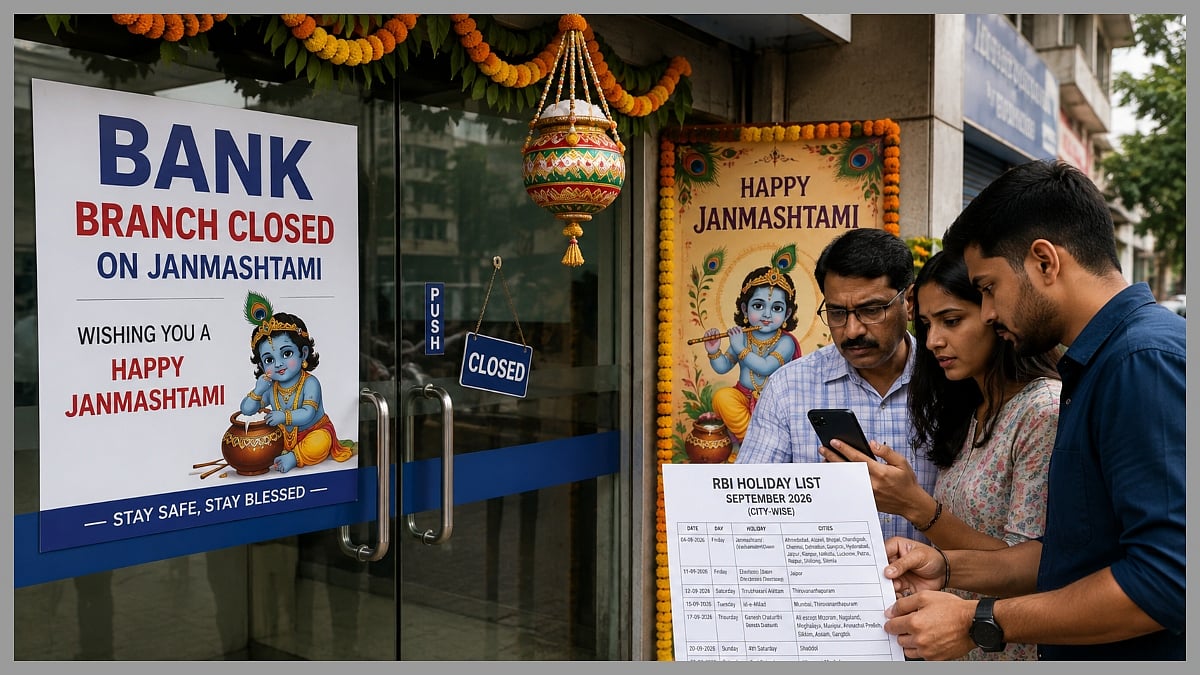
Banks Closed in 16 Cities for Janmashtami on September 4

Wonderla Launches Five-City College Rivalry Competition Across India

Four-Year-Old Elena Mishra Becomes Youngest FIDE-Rated Female Player

India Notifies One Nation, One Time Rules for Infrastructure