

8 hrs ago
750W vs 1000W Mixer Grinders: Which Fits Your Kitchen Best?

A mixer grinder’s wattage tells you how powerful its motor is rated to be.
A 750W machine is usually enough for normal cooking jobs.
It can make chutneys, spice mixes, smoothies and moderate amounts of batter.
A 1000W machine can be more useful when ingredients are hard or quantities are large.
It may handle nuts, coconut, thick pastes and heavy batter more easily.
However, a bigger wattage number does not guarantee the best machine.
Noise, heat, electricity use and price can also change.
The best choice depends on how much and what kind of food you usually grind.

A 750W mixer grinder handles most everyday tasks, including chutneys, masalas, purees, shakes and moderate batter quantities.
A 1000W model is better suited to tougher ingredients, larger batches, thick pastes and frequent heavy grinding.
Higher wattage does not automatically guarantee better performance because blades, motor design, RPM, jar size and build quality also matter.
750W models generally use less electricity and may produce less heat, while 1000W models can be louder and hotter under heavy workloads.
The article recommends 750W for most small and medium-sized households and 1000W for larger or heavy-use kitchens.
- Who
- Households and consumers choosing between 750W and 1000W mixer grinders.
- What
- A comparison of how the two motor ratings affect grinding performance, energy use, noise, heat and everyday usability.
- Where
- The comparison concerns use in Indian kitchens.
- When
- Not specified in the article.
- Why
- To help consumers select a mixer grinder suited to their cooking tasks and workload.
Choose 750W
Choose 1000W
Typical workload
Choose 750W
A 750W model is sufficient for everyday cooking and moderate quantities, especially for couples, students and small families.
Choose 1000W
A 1000W model is better for larger families and users who frequently grind tough ingredients or large batches.
Grinding demands
Choose 750W
It can handle common chutneys, spices, pastes, smoothies and batters, although some heavy tasks may take longer.
Choose 1000W
It is better suited to hard spices, nuts, coconut, thick pastes and heavier dosa or idli batter.
Efficiency and comfort
Choose 750W
Its lower rated power may mean lower electricity use and less heat during moderate workloads.
Choose 1000W
Its greater motor power may improve heavy-load performance, but the machine can be louder and produce more heat under demanding use.
Key facts
- 750W suitability
- Everyday chutneys, masalas, purees, shakes, cooking pastes and moderate quantities of batter.
- 1000W suitability
- Hard ingredients, larger batches, thick pastes, heavier wet grinding and frequent demanding use.
- Power use
- A 750W model has a lower rated power and generally uses less electricity than a 1000W model.
- Heat and noise
- 750W models may have lower heat buildup under moderate workloads; 1000W models can be louder and generate more heat under heavy use.
- Performance factors
- Motor design, blade quality, jar capacity, RPM, overload protection and build quality also affect real-world results.
- Examples listed
- The article lists mixer grinders from Crompton, Bajaj, Preethi, Bosch and Philips.
Sources
Related news
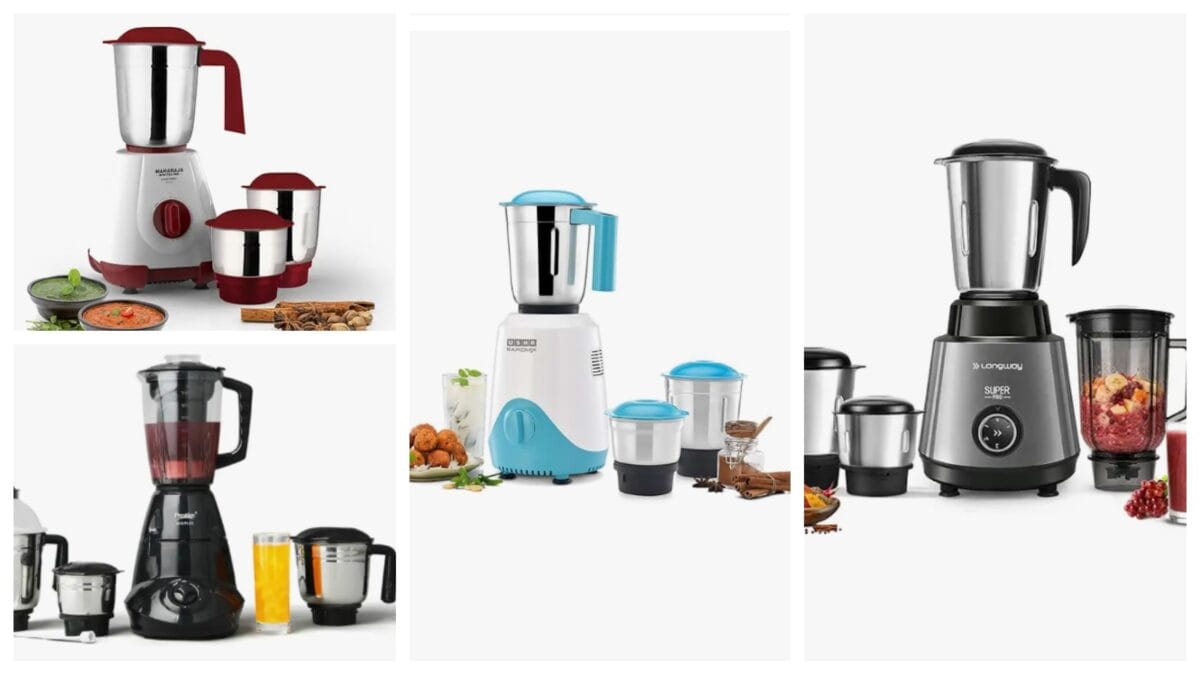
Mixer Grinder Deals Under Rs 4,000 During Amazon Freedom Sale

Why Chutney Mixer Grinder Jars Leak and How to Fix

Air Fryer, OTG or Microwave: Choosing the Right Appliance
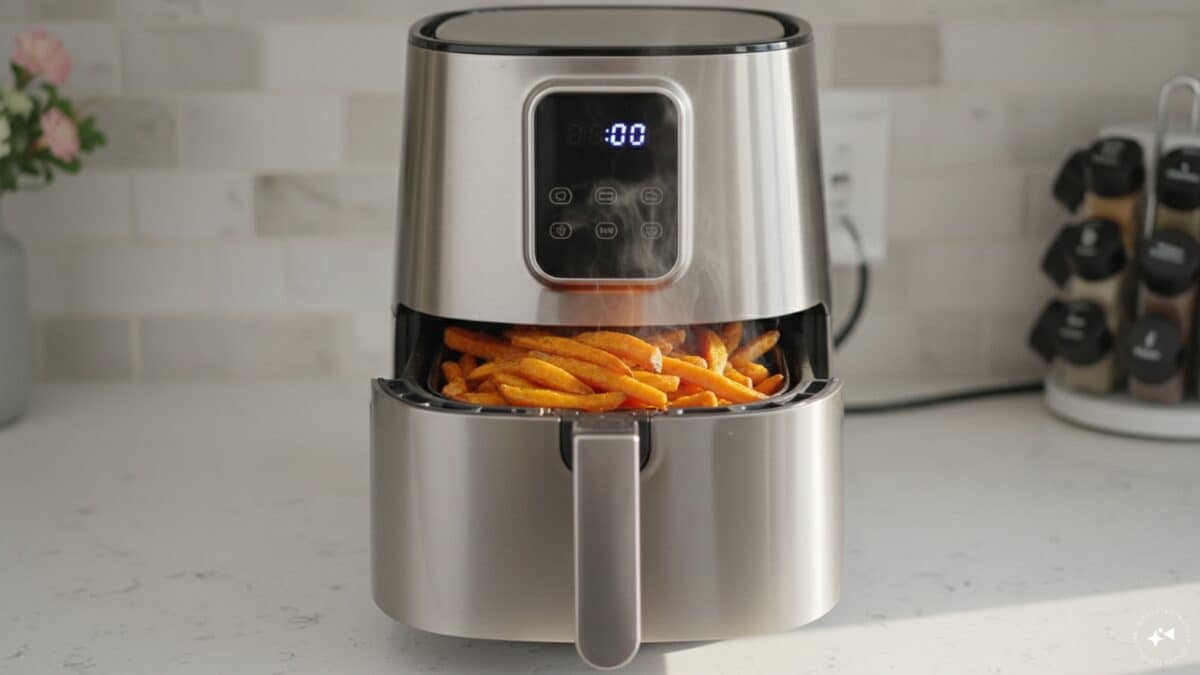
Seven Budget Air Fryers Compared for Oil-Free Everyday Cooking

Seven Best Washing Machines for Indian Homes in 2026

Five High-Capacity Washing Machines for Families of Five
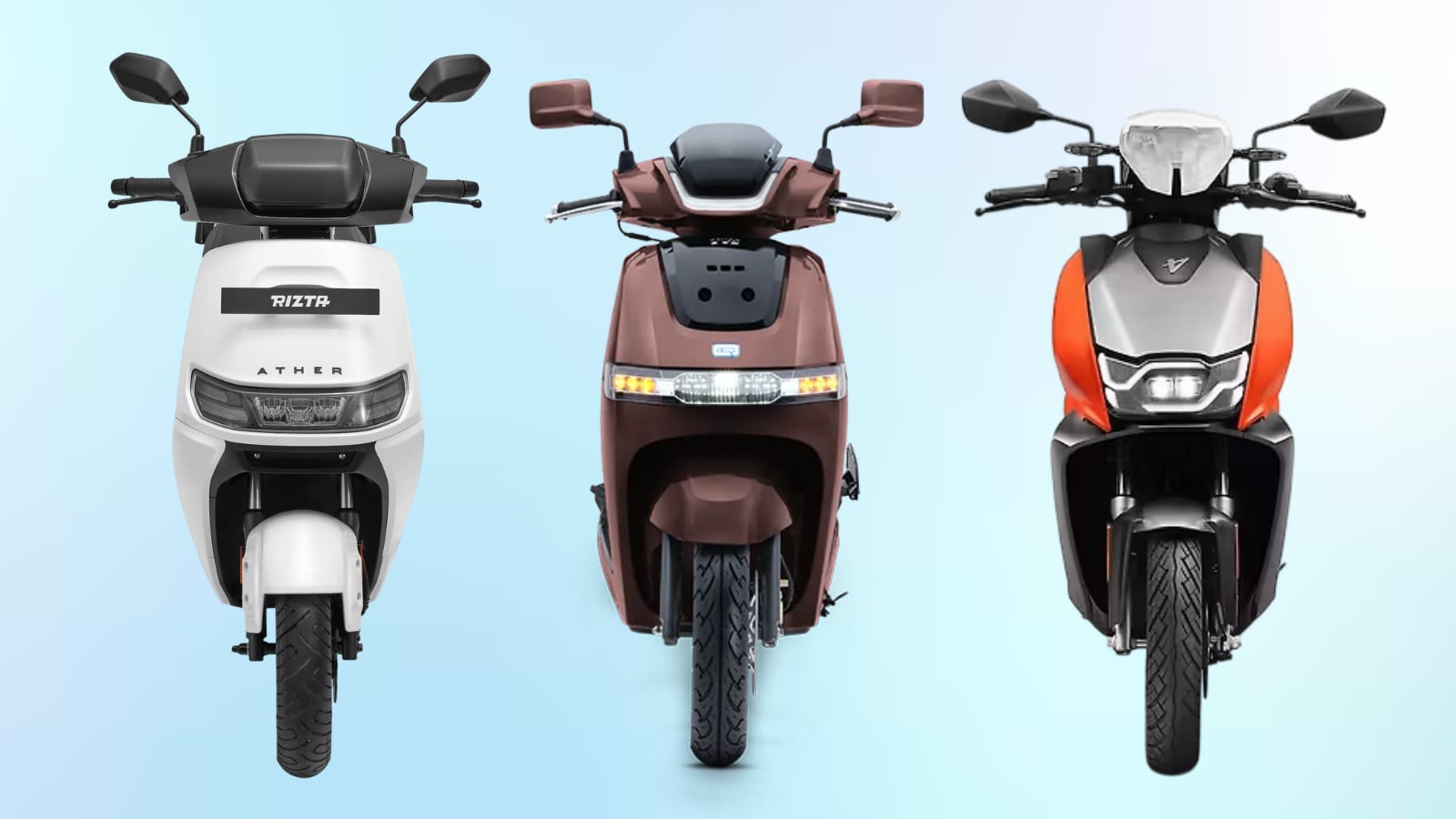
India Electric Two-Wheeler Sales Cross 1.36 Million in 2026

Sensex Falls 417 Points as Oil Prices Renew Inflation Fears

JNTUH, Colleges Seek Solutions to Tier-II Placement Gaps

India’s Two-Wheeler Sales Continue Strong Growth Momentum in August
