9 months ago
Board Games as Therapeutic Tools for Mental, Emotional, and Physical Well-being
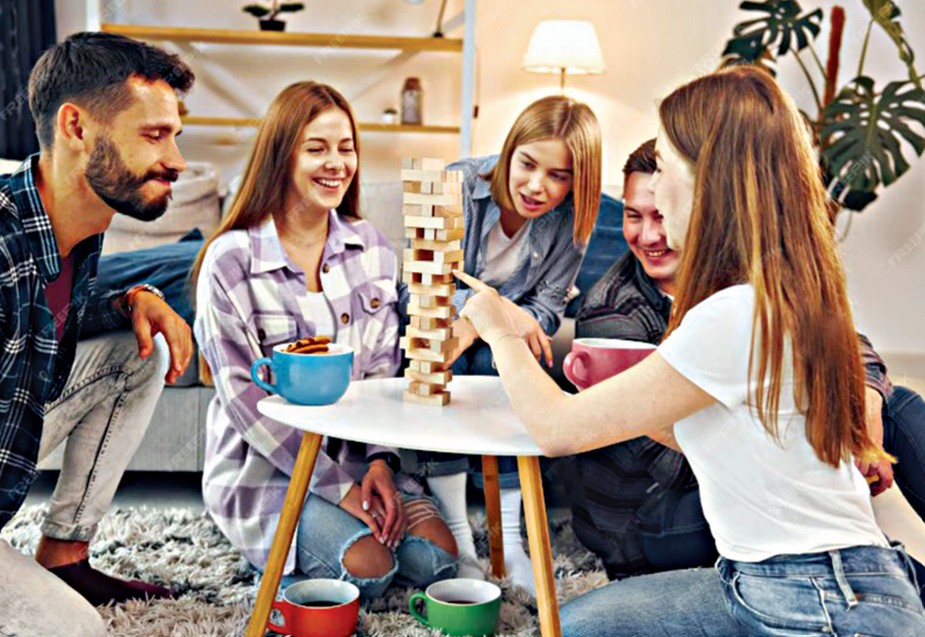
Imagine playing games like chess or even simple ones like Snakes and Ladders.
These aren't just for fun; they can actually help people feel better and get stronger!
When you play, your brain works harder, helping you think better and remember more.
It's also a good way to learn how to solve problems and be creative.
For people who feel sad or worried, playing games can help them express their feelings in a safe way.
Therapists use special games to help kids and grown-ups talk about tough stuff, like dealing with loss or understanding others.
Even for people who are recovering from injuries or brain problems, moving game pieces can help their hands and bodies get stronger.
So, playing games can be like a fun workout for your brain and your body, making you feel happier and healthier.

Board games stimulate brain areas responsible for memory and complex thought processes.
Playing board games develops problem-solving, critical thinking, and decision-making skills.
Board games serve as therapeutic tools for emotional expression, regulation, and processing of difficult emotions.
In physical rehabilitation, board games improve fine motor control, grip, coordination, and limb function.
Celebrities like Vin Diesel, Cristiano Ronaldo, and Antoine Griezmann utilize board games for imagination, strategic thinking, and relaxation.
- Who
- Individuals of all ages, including children, adults, and patients undergoing rehabilitation, as well as therapists and psychologists.
- What
- The use of board games as therapeutic tools for enhancing mental, emotional, and physical well-being, as well as cognitive and motor skill development.
- Where
- In therapeutic settings, rehabilitation centers, family homes, and workshops.
- When
- Currently, with a projection of increased use in the future.
- Why
- To improve cognitive functions, emotional regulation, social skills, physical coordination, and as a method to cope with stress, loss, and neurological conditions.
Key facts
- Cognitive Benefits
- Stimulates memory formation and complex thought processes, develops problem-solving and critical thinking skills.
- Therapeutic Applications
- Used for emotional expression, stress management, emotional regulation, processing loss, and improving confidence.
- Physical Rehabilitation
- Enhances fine motor control, grip, coordination, and limb function for recovery from neurological conditions and injuries.
- Celebrity Endorsements
- Vin Diesel (D&D), Cristiano Ronaldo (Chess), Antoine Griezmann (Chess), Drew Barrymore (family games).
- Specific Game Benefits
- Splendour (strategy, finance planning), Treasure Hunter (decision-making, risk tolerance), Scrabble (cognition, fine motor control), Snakes and Ladders/Ludo (coordination, limb movement).
Quotes
Namrata Jain
Psychotherapist Relationship Expert
“Games help lower defences that allow clients to explore suppressed emotions. Activities can reveal relational dynamics, patterns and emotions that talk therapy sometimes might miss out on - making sessions both engaging and deeply insightful. Games can also make therapy an easy, ongoing journey rather than an intense one.”
 deccanchronicle.com
“There are times when reflection or concepts are easier through games or activities than an educational approach. Also, the process of narrating memories and emotions through the games is cathartic. It offers a safe, creative space to process loss and gradually regain emotional balance.”
deccanchronicle.com
Mital Salia
a game therapist and psychologist from Mumbai, Founder of Khel Khel Mein
“Board games enhance family bonding and improve family interaction. Among children, we have noticed enhanced personality and confidence (especially introverted kids). Those with psychological issues, or undergoing treatment for ADHD, or Autism, have also shown improvements in their confidence and performance.”
deccanchronicle.com
“Board game Therapy is going to be the next big revolution in the learning and healing space, with the rising use of AI, independent families, and high stress.”
deccanchronicle.com
Monika Singh Bindal
a Physiotherapist from Mumbai
“For patients recovering from fractures, joint replacements, or injuries, board games can integrate functional movement in a low-stress, motivating way.”
deccanchronicle.com
“Incorporating games and engaging activities sustains the rehabilitation program, fosters happiness, motivation and confidence in patients as they progress towards recovery”
deccanchronicle.com
Shital Kothari
a Mumbai-based business professional and a mother of two children
“It was a once-a-month session of 3 hour for a year. It helped me to cope with the mood swings of early menopause. Playing board games motivated me to learn new things; it's a stress buster. The board games workshops helped my kids too, in developing strategies, concentration, logical thinking, memory sharpening, as well as relaxation”
deccanchronicle.com
Sources
Related news

Pankaj Tripathi Performances to Watch Before Mirzapur The Movie
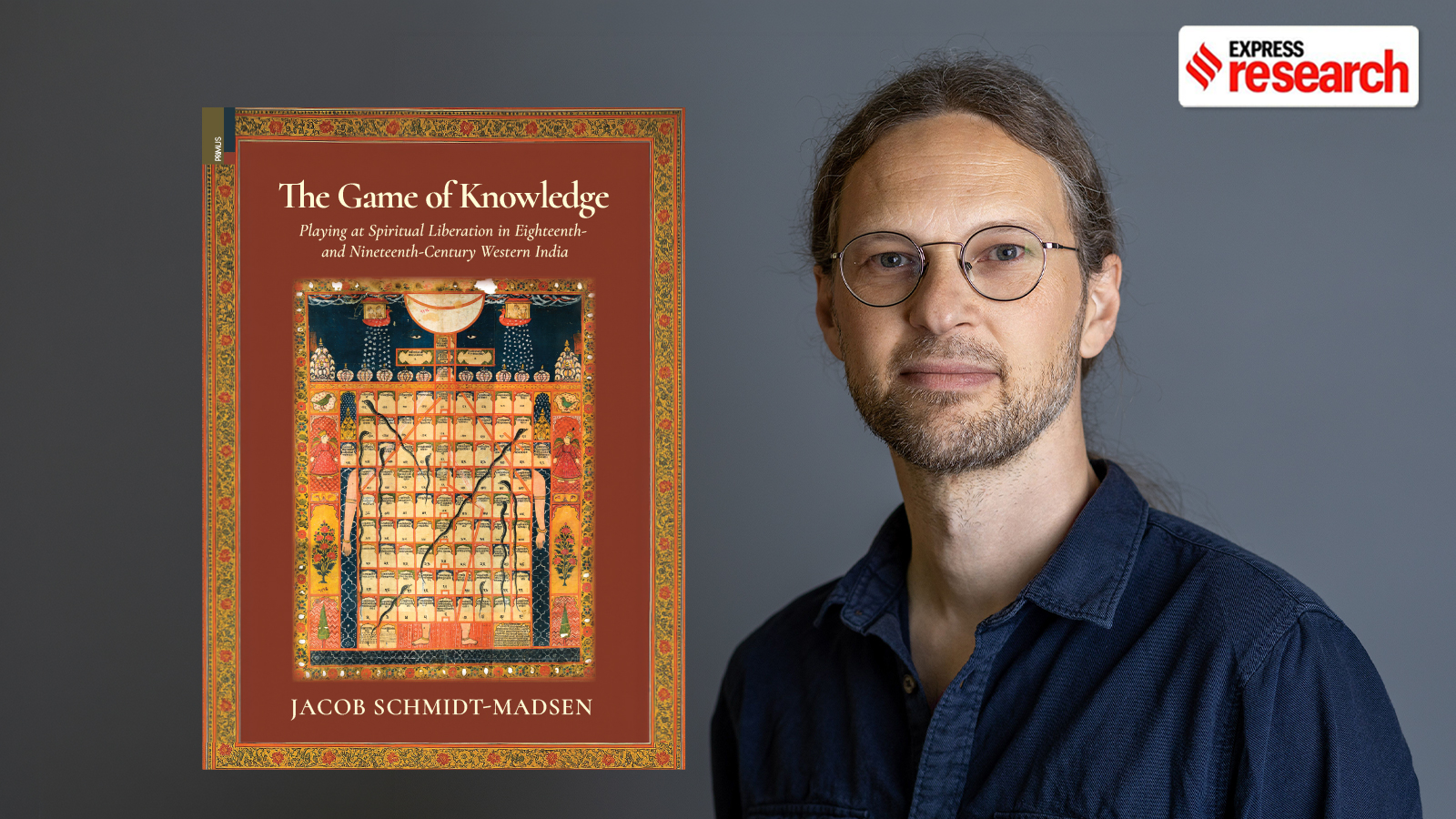
How British Transformation Secularized India’s Spiritual Snakes and Ladders

Gujarat Man Attacks Friend With Knife Over Ludo Winnings

Shah Rukh Khan Celebrates Netflix's 10 Years in India