

2 hrs ago
Why Sexual Assault Survivors’ Accounts May Change Over Time
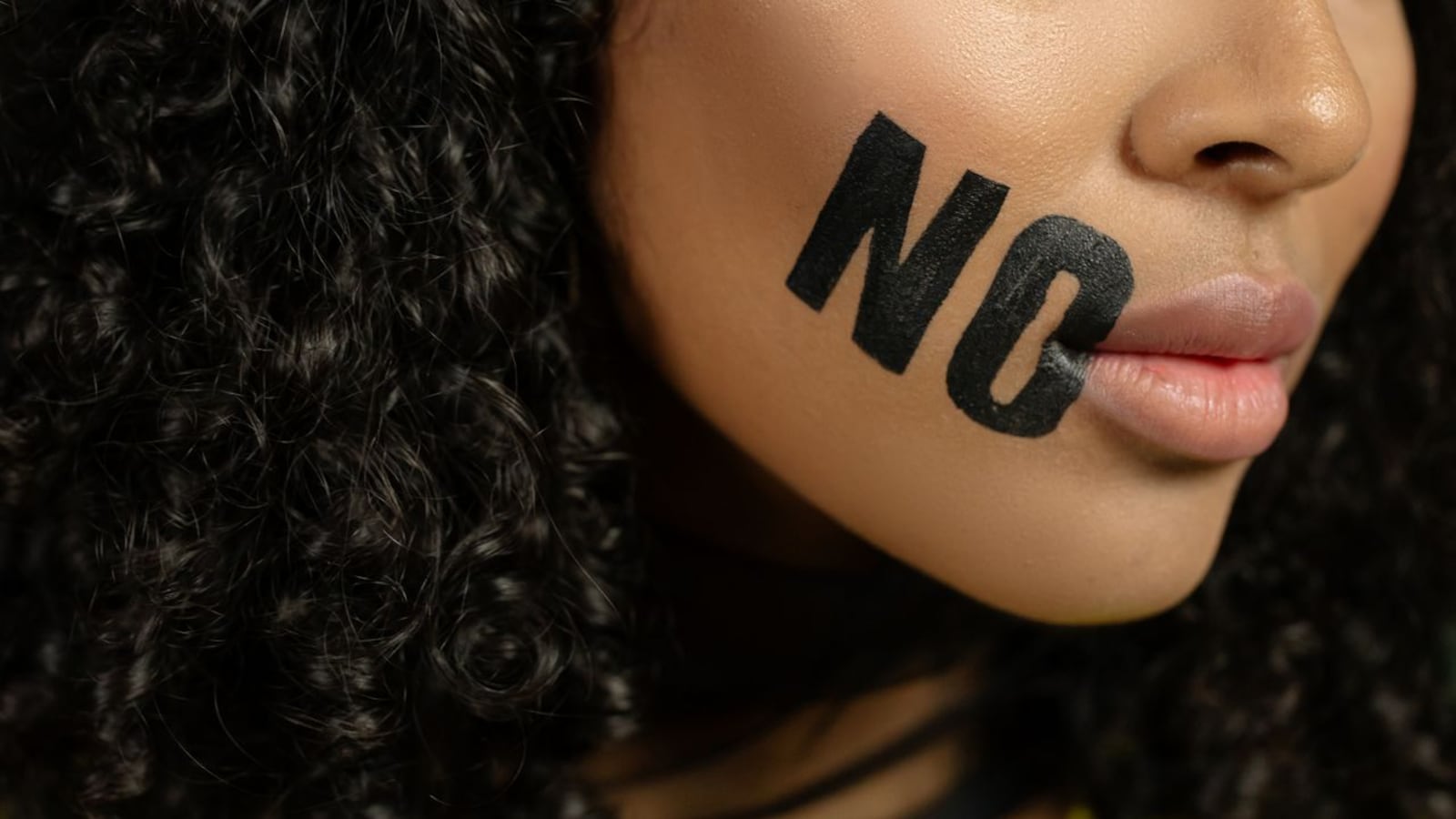
After a frightening experience, a person may have trouble understanding or talking about what happened.
A psychologist explains that some survivors first describe an assault in other ways or try not to think about it.
Stress can affect feelings, memories and decision-making.
Some people blame themselves or avoid reminders as ways of coping.
The article says these reactions can change over time.
So, a changed account by itself does not show whether someone is telling the truth.
The article also describes a lawsuit by a former Cornell University student who accused seven students of rape.
The allegations are described as accusations, not as findings of a court.

A psychologist says survivors may take weeks to identify an experience as rape, and that changing descriptions do not alone prove someone is lying.
The article cites research indicating 60% to 70% of female rape survivors do not initially identify their experience as rape.
Acute stress can involve symptoms such as self-blame, avoidance, dissociation, intrusive memories, fear and emotional distress.
The author explains that trauma-related survival responses can affect memory, decision-making and a person’s ability to make sense of events.
The article discusses a lawsuit filed in September 2026 by a former Cornell University student identified as Jane Doe, who accused seven male students of rape.
- Who
- Psychologist Michele Patterson Ford explains trauma responses; the article also discusses a lawsuit brought by a former Cornell University student identified as Jane Doe.
- What
- The article explains why sexual assault survivors may initially describe or understand an experience differently, and later change how they discuss it.
- Where
- The lawsuit involves a former student at Cornell University; the article does not specify where the alleged assault occurred.
- When
- The lawsuit discussed was filed in September 2026; the article does not give a publication date.
- Why
- The author says acute stress, trauma-related survival responses, self-blame and denial can affect how survivors process and describe an experience.
Skeptical interpretation
Trauma-informed interpretation
A changing account
Skeptical interpretation
Some critics interpret a changing or delayed account as a reason to doubt whether the person is telling the truth.
Trauma-informed interpretation
The psychologist says trauma-related stress, denial and difficulty naming an assault can lead survivors to describe events differently over time; a change alone does not establish that an account is false.
Responsibility for prevention
Skeptical interpretation
The article describes cultural messages and prevention programs that place responsibility on women to anticipate or prevent rape.
Trauma-informed interpretation
The author argues that such messages can reinforce survivors’ self-blame and that self-blame may be a response to trauma.
Key facts
- Research cited
- The article says 60% to 70% of female rape survivors do not identify their experience as rape.
- Acute stress
- The article describes acute stress disorder as involving at least nine symptoms across several categories.
- Common symptoms discussed
- Examples include avoidance, negative mood, dissociation, intrusive experiences and heightened alertness.
- Acquaintance assaults
- The article says statistics indicate 80% to 90% of women are raped by someone they know.
- Lawsuit
- Filed in September 2026 by a claimant identified as Jane Doe, a former Cornell University student.
- Accusations
- Jane Doe accused seven male students of rape; the article reports allegations, not a court finding.
- Author
- Michele Patterson Ford, Senior Lecturer in Psychology at Dickinson College.
Sources
Related news

Women Declare #IamJaneDoe in Support of Cornell Accuser

Cornell Rape Allegation Statement Omission Revives Case Questions

Delhi High Court Upholds Acquittal in Rape Case
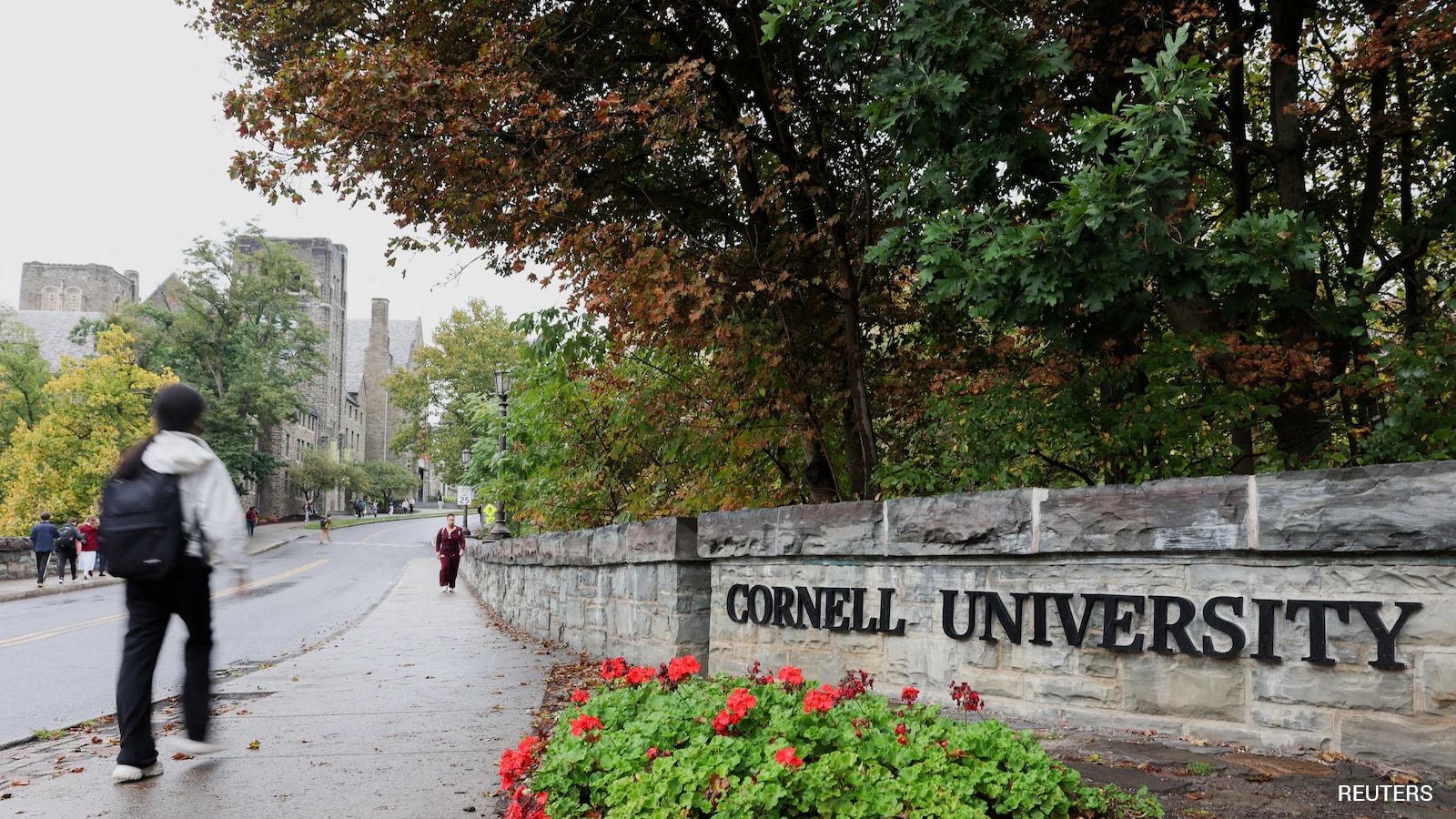
Cornell Records Detail Conflicting Accounts in Fraternity Assault Case

Cornell Student Journalists Renew Scrutiny of 2024 Sexual Assault Allegations
