

7 months ago
Delhi-NCR Sees Hail, Rain, and AQI Improvement
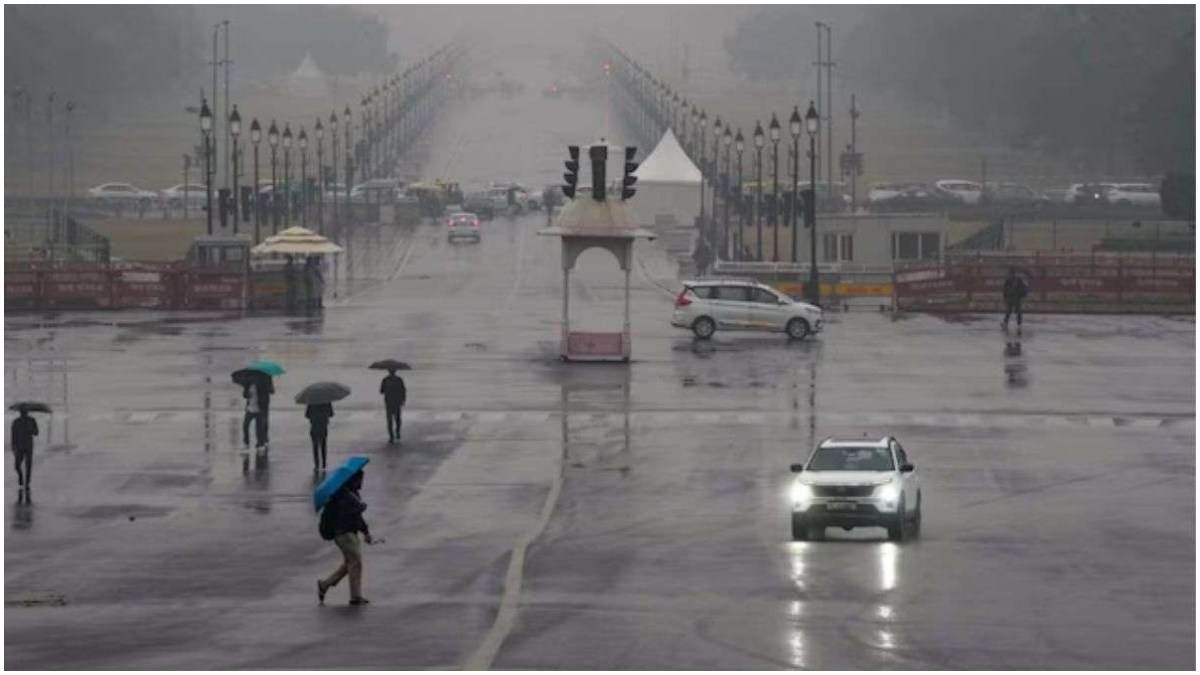
On Tuesday evening, parts of Delhi and nearby cities like Noida, Gurugram, Ghaziabad, and Faridabad experienced a hailstorm.
This weather event was so strong that it even covered some areas in Haryana and Punjab with a thick layer of ice, making it look like snow.
The hailstorm started around 5 pm and was caused by a strong weather system called a Western Disturbance.
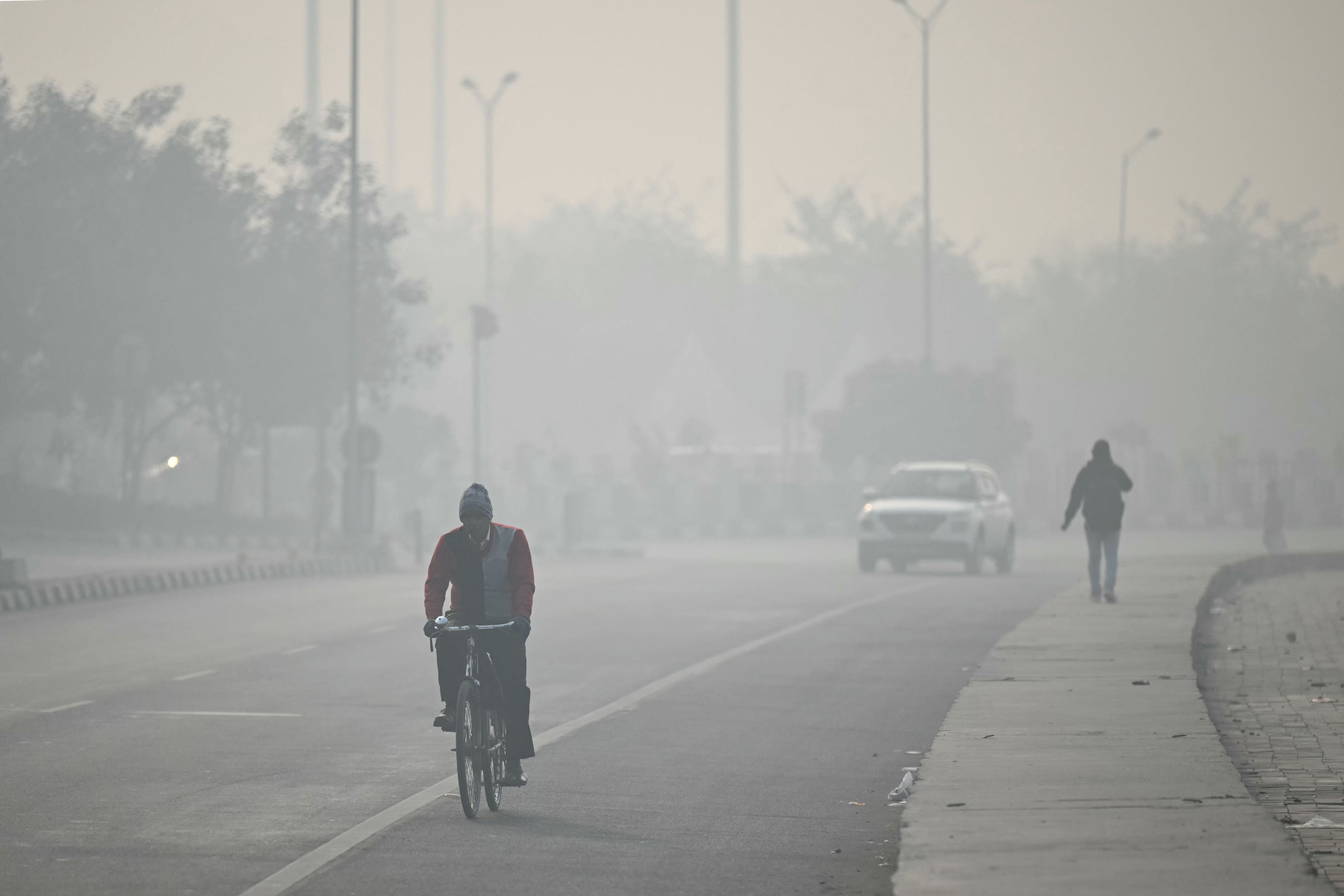
The rain helped improve the air quality in Delhi, which had been very poor.
Farmers in Punjab are worried about the damage to their wheat and mustard crops.
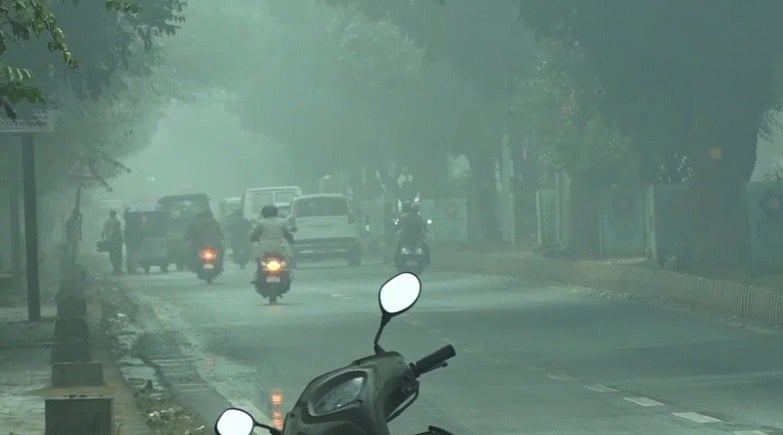
Meanwhile, in Gwalior, Madhya Pradesh, light rain and chilly winds caused a significant drop in temperature.
The daytime temperature in Gwalior fell to 21°C from previously 26-27°C.
Meteorologists believe the change was caused due to snowfall in hilly regions affecting the plains.
The weather is expected to be cooler than usual for the next few days, with temperatures ranging from 18 to 20 degrees during the day and 8 to 11 degrees at night.
On Wednesday, Delhi saw its wettest January morning in four years, with the Air Quality Index (AQI) improving to 266 in the 'very poor' category.
The city recorded 24 mm of rain so far this month, the highest January total since 2022.
The maximum temperature at Safdarjung was 16.9°C, which was 5.2°C below normal, while the minimum was 8.0°C, 0.4°C below normal.
The India Meteorological Department (IMD) has forecast rain or thundershowers accompanied by strong gusty winds throughout the day.
The Commission for Air Quality Management (CAQM) has revoked Stage III of the Graded Response Action Plan (GRAP) across Delhi-NCR due to the improvement in air quality.

Hailstorm and heavy rain hit parts of Delhi-NCR, including Noida, on Tuesday evening.
Orange alert issued for Delhi-NCR due to severe weather conditions.
Hailstorm in Haryana's Fatehabad and Punjab's Patiala caused 'snow-like' conditions.
Rain improved Delhi's air quality, which had been in the 'very poor' category.
Temperatures to remain cool with day-time highs around 18–20 °C and night-time lows near 8–11 °C from January 27 through February 2.
- Who
- Residents of Delhi-NCR, Haryana, Punjab, Gwalior (Madhya Pradesh)
- What
- Hailstorm, heavy rain, and temperature drop
- Where
- Delhi-NCR, Haryana, Punjab, Gwalior (Madhya Pradesh)
- When
- Tuesday evening and Wednesday morning
- Why
- Intense Western Disturbance and snowfall in hilly regions
Key facts
- Affected Regions
- Delhi, Noida, Gurugram, Ghaziabad, Faridabad, Haryana, Punjab, Gwalior (Madhya Pradesh)
- Time of Hailstorm
- Around 5 pm IST on Tuesday
- Air Quality Index (AQI)
- 266 (Very Poor) to 273 (Poor)
- Temperature Forecast
- Day: 18–20 °C, Night: 8–11 °C (Jan 27 - Feb 2)
- Weather Phenomenon
- Western Disturbance
- Impacted Crops
- Wheat, Mustard
- Temperature Drop in Gwalior
- 5 - 6°C
- Minimum Temperature in Gwalior
- 11.2°C
- Daytime Temperature in Gwalior
- 21°C
- January Rainfall
- 24 mm (Highest in four years)
- Maximum Temperature at Safdarjung
- 16.9°C (5.2°C below normal)
- Minimum Temperature at Safdarjung
- 8.0°C (0.4°C below normal)
Timeline
Delhi braced for thunderstorms, winds up to 70 kmph over three days.
Then, a scorching heatwave struck, temperatures soaring to nearly 45°C.
Just a week prior, Delhi sizzled at 43.8°C, its hottest day so far.
Forecast warned: Severe hailstorm incoming on June 17.
Tuesday's hailstorm pummeled Delhi-NCR, causing significant weather changes and crop damage.
Quotes
Abhilash S
Head of the Department of Atmospheric Sciences at the Cochin University of Science and Technology
“The present cold wave conditions in northern India mark the approach of the western disturbances that bring cold air from northern latitudes to the Indian subcontinent.”
 scroll.in
“Basically, climate change and global warming are also adding to this [trend of cold weather]; east-west circulation like jet streams that are blowing from west to east can meander to the lower latitudes and intrude into the tropical region.”
scroll.in
Vijaykumar P
Assistant professor at the Department of Environmental Sciences, University of Kerala
“One of the primary contributors is a high-pressure system over north-central India, typically characterised by cloud-free skies and cold, dry air.”
scroll.in
“In many parts of central India, negative anomalies are observed in both daily maximum and minimum temperatures, indicating unusually cold conditions during both day and night. This cold air flows southward, bringing chilliness to the southern states of India too.”
scroll.in
Paul Pastelok
AccuWeather long-range expert
“Late this week, a storm is expected to strengthen along a stalled front near the Gulf Coast.”
 livemint.com
Mrutyunjay Mohapatra
IMD director general
“Though five to seven WDs are formed every month, either they are weak or pass over India quickly without impacting the weather much. The WD-induced rain and snowfall activities are decreasing.”
scroll.in
Sources
Delhi-NCR witnesses hail storm: IMD issues orange alert for these cities

Rainfall at several places in Punjab and Haryana; maximum temperatures plummet
Delhi Sees Marginal AQI Improvement to 273, Remains in Poor Category
IMD warns of dense fog, cold wave in Delhi-NCR as fresh western disturbance nears; avalanche alert in Uttarakhand

Delhi logs wettest January morning in four years: Rain drags AQI to ‘very poor’ at 266
MP News: Gwalior Witnesses Drizzles, Chilly Winds As January Nears End; Temperature To Drop By 5 - 6°C -- VIDEO
Shallow fog in city, air quality poor
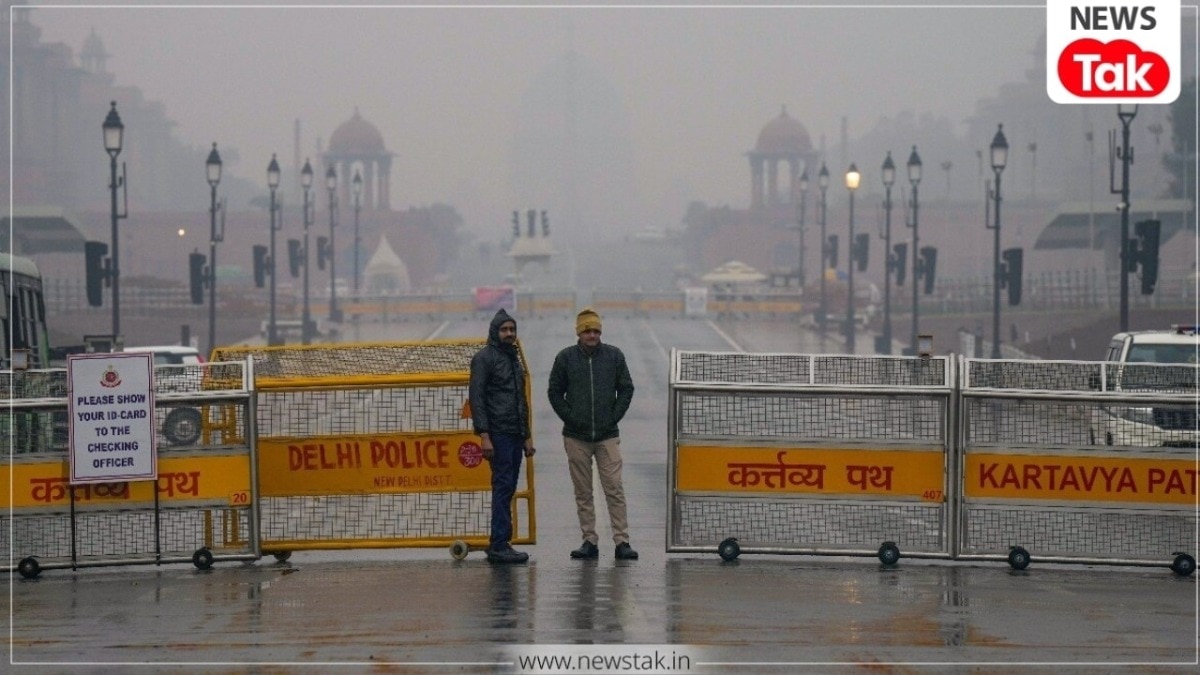
From rain to hail threat in Noida as IMD flags worsening weather across Delhi NCR

Delhi rains bring relief from toxic air, AQI drops to ‘poor’ levels as capital braces for more showers on 1 Feb
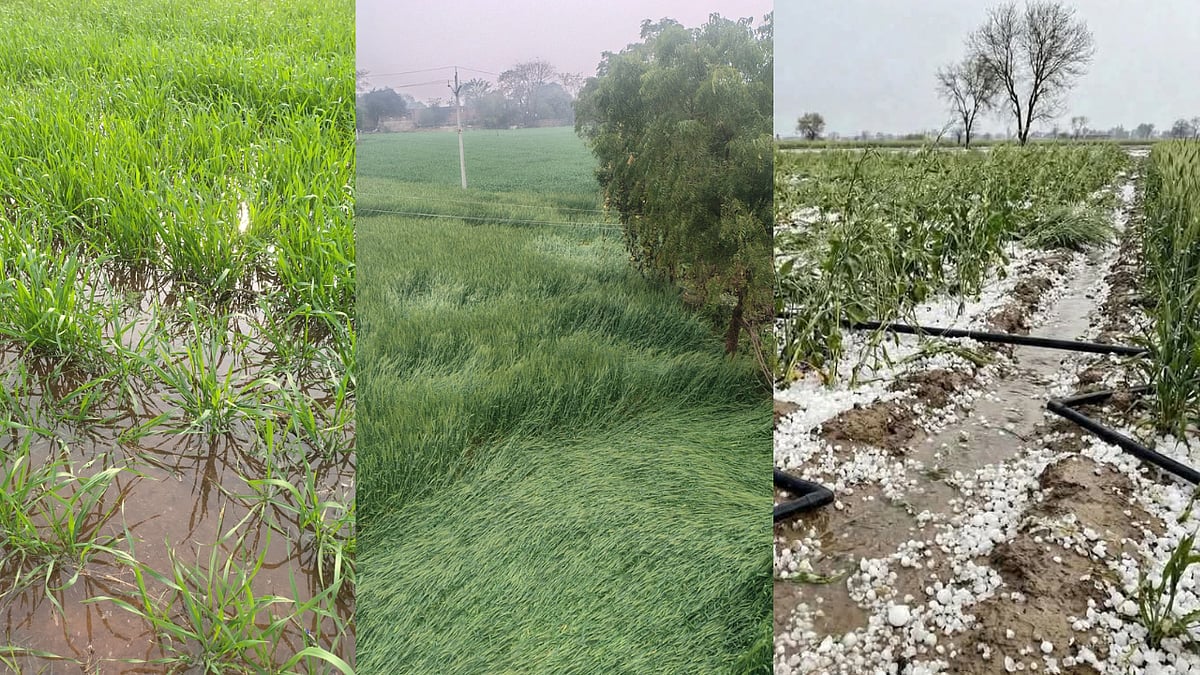
MP News: Weather Turns Wild In Madhya Pradesh; Rain & Hail Hit Standing Crops In Gwalior-Chambal, Ujjain, Dewas & More

Madhya Pradesh January 28, 2026, Weather Update: Twin Systems Trigger Rain-Hail Havoc Across Madhya Pradesh; Bhopal Wakes Up To Icy Winds

US winter weather update: Arctic air brings snow, blizzards and extreme cold; schools closed in Indiana, North Texas

Delhi-NCR sees marginal relief in air quality after moderate rainfall
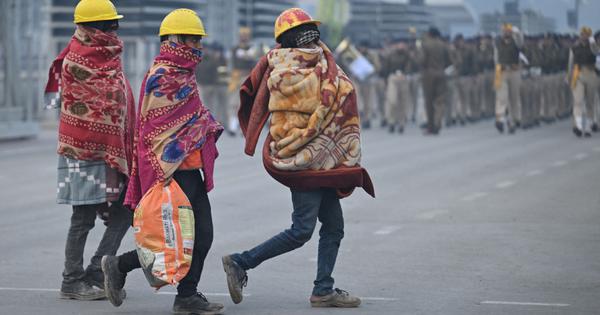
What’s behind India’s unusually cold winter?
Related news
CBI Chargesheets 19 More in Haryana’s Rs 504-Crore Scam
Haryana Plans 582 Village Knowledge Centres for Rural Services
UP Minister Visits Ankit Baliyan Family, Promises Strict Action

Congress Questions Haryana’s Falling Sex Ratio Despite Beti Bachao
Haryana Says Ayushman Bharat Health Services Continue Despite IMA Call
