1 hr ago
Human Food Is Changing Monkey Behaviour Across India

Monkeys do not naturally eat only bananas.
They eat many things, including plants, fruits, seeds and insects.
In towns and temples, people sometimes give them biscuits, sweets, chips or other human food.
When monkeys are rewarded, they can learn to approach people and beg or grab food.
This can make them less afraid of humans.
Some monkeys may also become sick from unhealthy foods.
People can be injured when monkeys attack, or when they panic and fall.
Experts say habitat loss, garbage and easy-to-find food all help bring monkeys closer to people.
Keeping distance and avoiding feeding wildlife may reduce risks for both humans and monkeys.

A 91-year-old woman, Najamunisa Begum, died after a monkey allegedly knocked her down in Karnataka’s Koppal district on 22 September 2026.
Recent incidents also involved monkey bites near the Taj Mahal and a woman’s fatal fall after monkeys surrounded her at a Tamil Nadu temple.
Research shows monkeys can learn to solicit food from people, with Hanuman langurs receiving food in about 81% of recorded begging events.
Feeding processed foods and sweets may alter monkey health and behaviour, including reported skin disease among monkeys at Jaipur’s Galtaji Temple.
Delhi relocated 6,591 monkeys to Asola-Bhatti Wildlife Sanctuary between 2021 and 2025, but accessible food and waste can continue attracting monkeys to settlements.
- Who
- Monkeys, residents, tourists, temple visitors and wildlife officials are involved; the reported fatality in Koppal involved 91-year-old Najamunisa Begum.
- What
- Reports of monkey bites, attacks, altered behaviour, health problems and human-wildlife conflict have renewed concern about feeding monkeys human food.
- Where
- The events occurred in parts of India including Koppal, Agra, Thoothukudi, Jaipur, Delhi, Bengal and Madhya Pradesh.
- When
- The incidents and developments described occurred in 2025 and 2026, including the Koppal death on 22 September 2026.
- Why
- Easy access to food from people, markets and waste, along with habitat fragmentation and reduced natural food and water, can draw monkeys into human spaces.
Reduce Feeding and Contact
Address Habitat and Waste
Main cause of conflict
Reduce Feeding and Contact
Repeated feeding rewards begging, reduces monkeys’ fear of people and encourages them to approach tourists, residents and temple visitors.
Address Habitat and Waste
Feeding is only part of the problem; habitat fragmentation, development, reduced natural food and water, markets and accessible waste also bring monkeys into human areas.
How to respond
Reduce Feeding and Contact
People should avoid giving monkeys biscuits, sweets, chips and other processed foods, while warning boards and enforcement can discourage feeding.
Address Habitat and Waste
Relocation alone may not work if food and waste remain available in settlements, so broader habitat and waste-management measures are needed.
Wildlife management
Reduce Feeding and Contact
Moving monkeys away from residential and commercial areas can reduce immediate encounters, as demonstrated by Delhi’s relocation program.
Address Habitat and Waste
Relocation does not remove the conditions that made human settlements attractive and may not solve the underlying source of conflict.
Key facts
- Koppal incident
- Najamunisa Begum, 91, died after a monkey allegedly knocked her down outside her home on 22 September 2026.
- Taj Mahal incidents
- A British tourist was reportedly bitten on 16 September 2026, while a South Korean tourist was bitten near the eastern gate on 26 July.
- Dakshineswar study
- Researchers recorded 1,293 food-solicitation events by Hanuman langurs, with about 81% ending in the animals receiving food.
- Galtaji Temple
- Wildlife experts and forest officials raised concerns about hyperkeratosis among monkeys that were repeatedly fed items including chana, makhana and laddoos.
- Roadside mortality
- A study along National Highway 7 in the Kanha-Pench corridor recorded 54 macaque deaths in road accidents.
- Delhi relocation
- Government data said 6,591 monkeys were relocated to Asola-Bhatti Wildlife Sanctuary between 2021 and 2025.
Sources
Related news

Garbage Dumps Draw Sloth Bears Into Nilgiris Settlements

Study Finds Monkeys, Wild Boars Drive Wayanad Wildlife Conflict
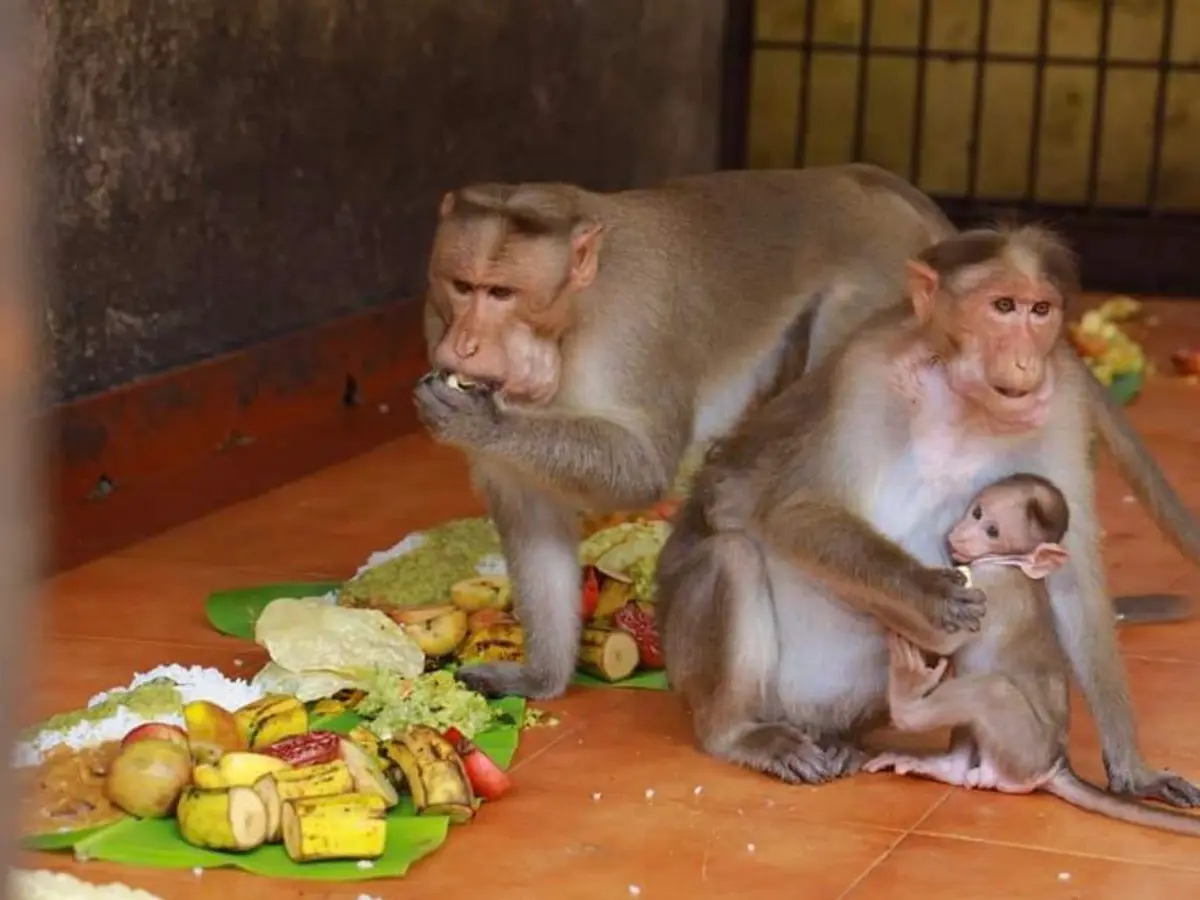
At Kerala Temple, Monkeys Receive Royal Onam Feast
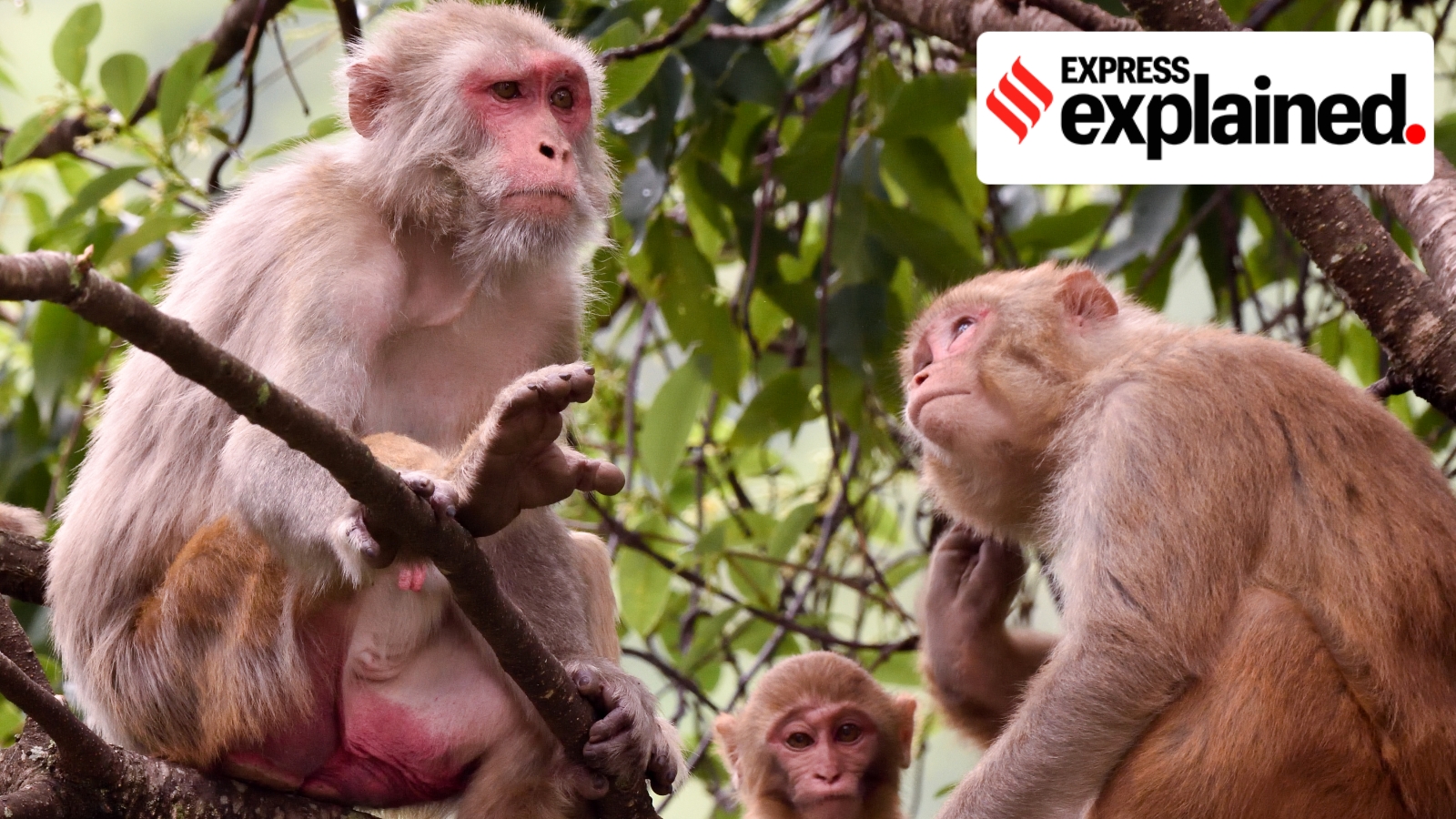
Shimla Monkey Menace Exposes Legal, Funding and Compensation Gaps
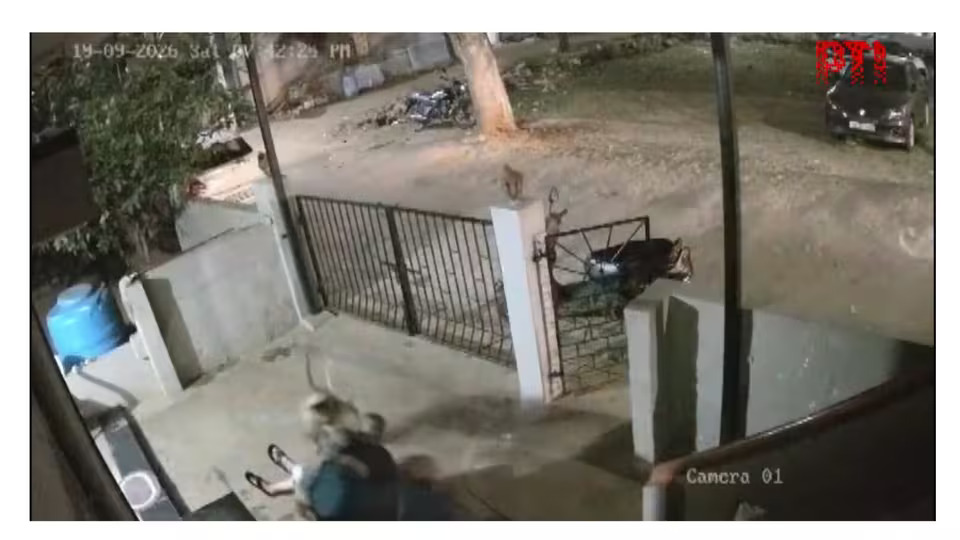
91-Year-Old Karnataka Woman Dies After Monkey Attack Outside Home
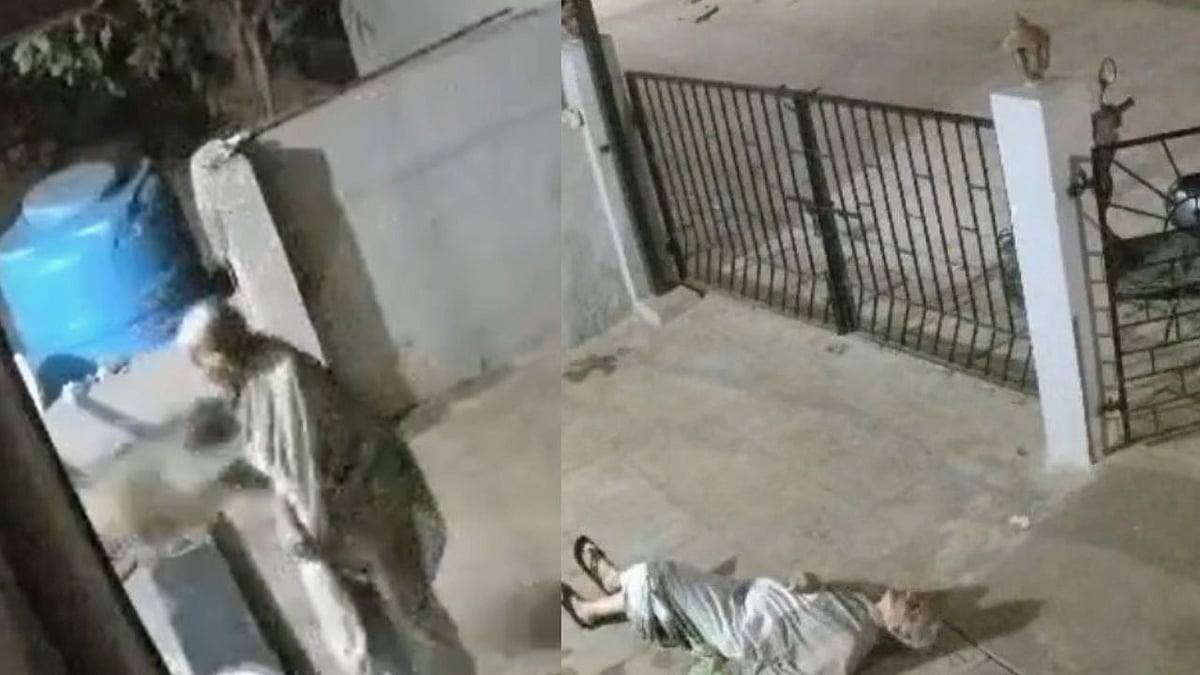
91-Year-Old Karnataka Woman Dies After Alleged Monkey Attack Outside Home
Karnataka Selects Gavimath Seer to Inaugurate Mysuru Dasara

Vijayendra Addresses Jobs, AI and KPSC Concerns at GenZ Connect

BJP to Raise Navali Reservoir Demand in Assembly Special Session