2 months ago
Indian Dance Group Performs at Dagestan Folklore Festival
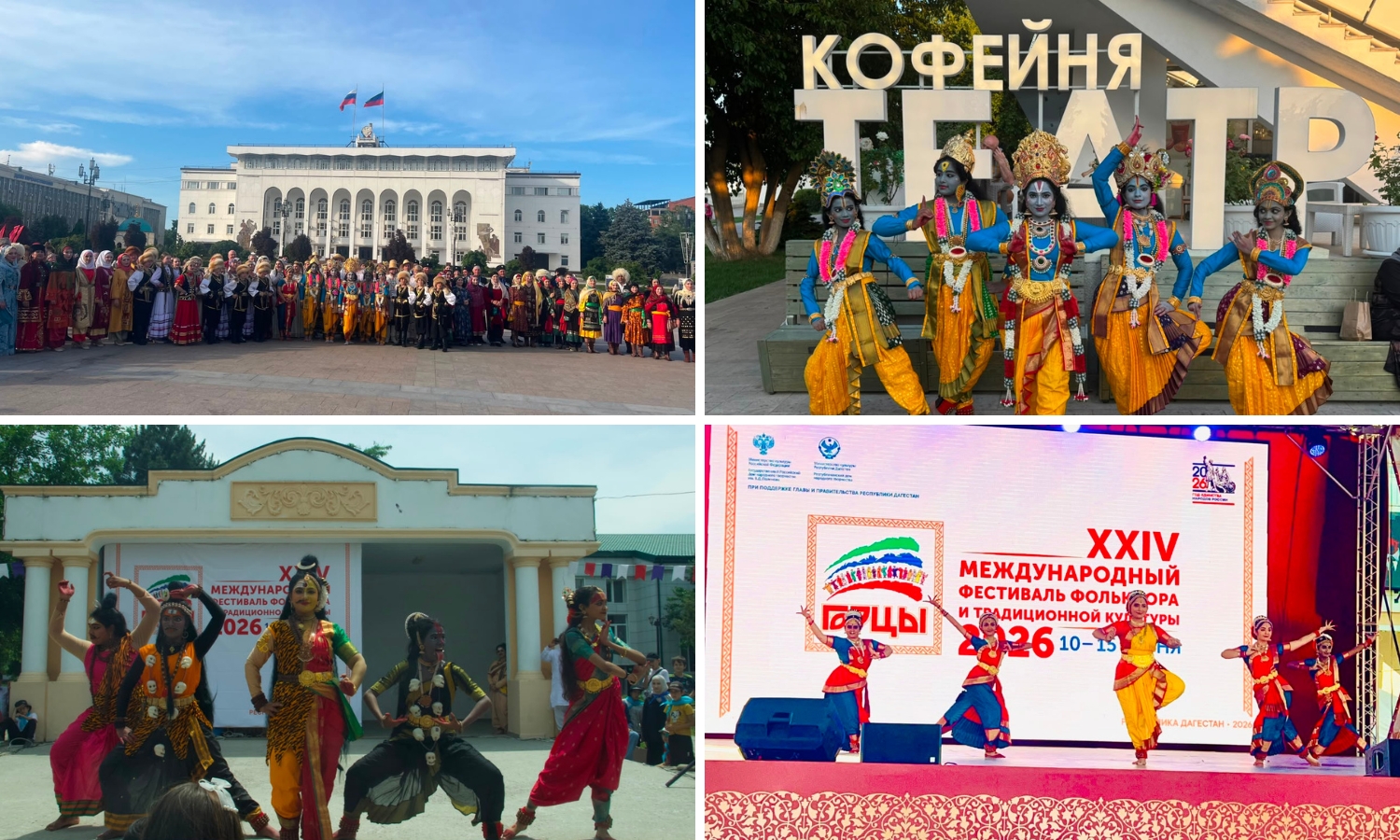
A dance group from Hyderabad, India, went to a big festival in Dagestan, Russia.
They performed six shows, showing special Indian dances called Kuchipudi.
People in Russia were curious about why the god Krishna was painted blue and why a dance figure was half man and half woman.
The group’s leader, Priyanka Bharde, explained that the colors and shapes show balance of energy, not gender.
The dancers practiced for a few months and had already performed these dances many times in other countries.
They hope to return to Russia soon.

Hyderabad’s Sri Hiranmayi Nrithyalay represented India at Dagestan’s 24th Gortsy festival.
The eight-member troupe performed six shows, including two research ballets and traditional Kuchipudi pieces.
Russian audiences asked about Krishna’s blue color, Ardhanarishwara’s half-man half-woman form, and gold in Kuchipudi costumes.
Founder Priyanka Bharde explained the symbolism, emphasizing energy balance rather than gender.
The group had rehearsed 3‑4 months and had previously performed the ballets 17 times across India, Sri Lanka, and Indonesia.
- Who
- Priyanka Bharde and her eight-member team from Hyderabad’s Sri Hiranmayi Nrithyalay
- What
- Performed six shows, including two research ballets and traditional Kuchipudi pieces, at the 24th International Festival of Folklore and Traditional Culture "Gortsy"
- Where
- Dagestan, Russia (Makhachkala, Kizilyurt, Khasavyurt)
- When
- June
- Why
- To showcase Indian dance and cultural exchange, and to answer audience questions about symbolism
Key facts
- Event
- 24th International Festival of Folklore and Traditional Culture "Gortsy"
- Location
- Dagestan, Russia
- Performing Group
- Sri Hiranmayi Nrithyalay
- Founder
- Priyanka Bharde
- Number of Performances
- 6
- Rehearsal Duration
- 3-4 months
- Previous Performances
- 17 times across India, Sri Lanka, Indonesia
Quotes
Priyanka Bharde
Founder and director of Hyderabad’s Sri Hiranmayi Nrithyalay dance academy
“The responsibility was huge, on stage and off stage. It was about how we interacted with people, maintained civic sense, respected their culture and made sure that we were respected at every level.”
 deccanchronicle.com
“We spoke in terms of energy, not specifically gender. The women we portrayed, whether Kali, Durga or Bhavani, were not weak personalities. They had their own opinions and their own stance.”
deccanchronicle.com
Sources
Related news

Hyderabad Artists Present Krishnanjali Kuchipudi Programme at ISKCON Dwarka
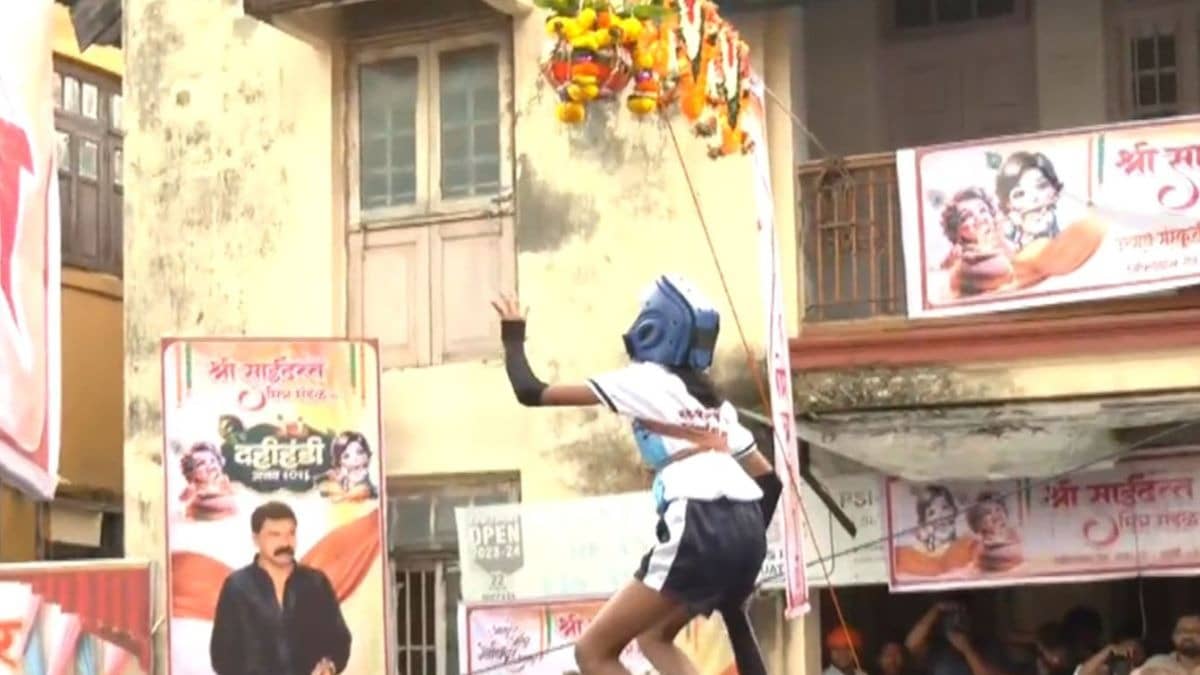
Mumbai’s All-Women Govinda Troupes Challenge Dahi Handi Tradition
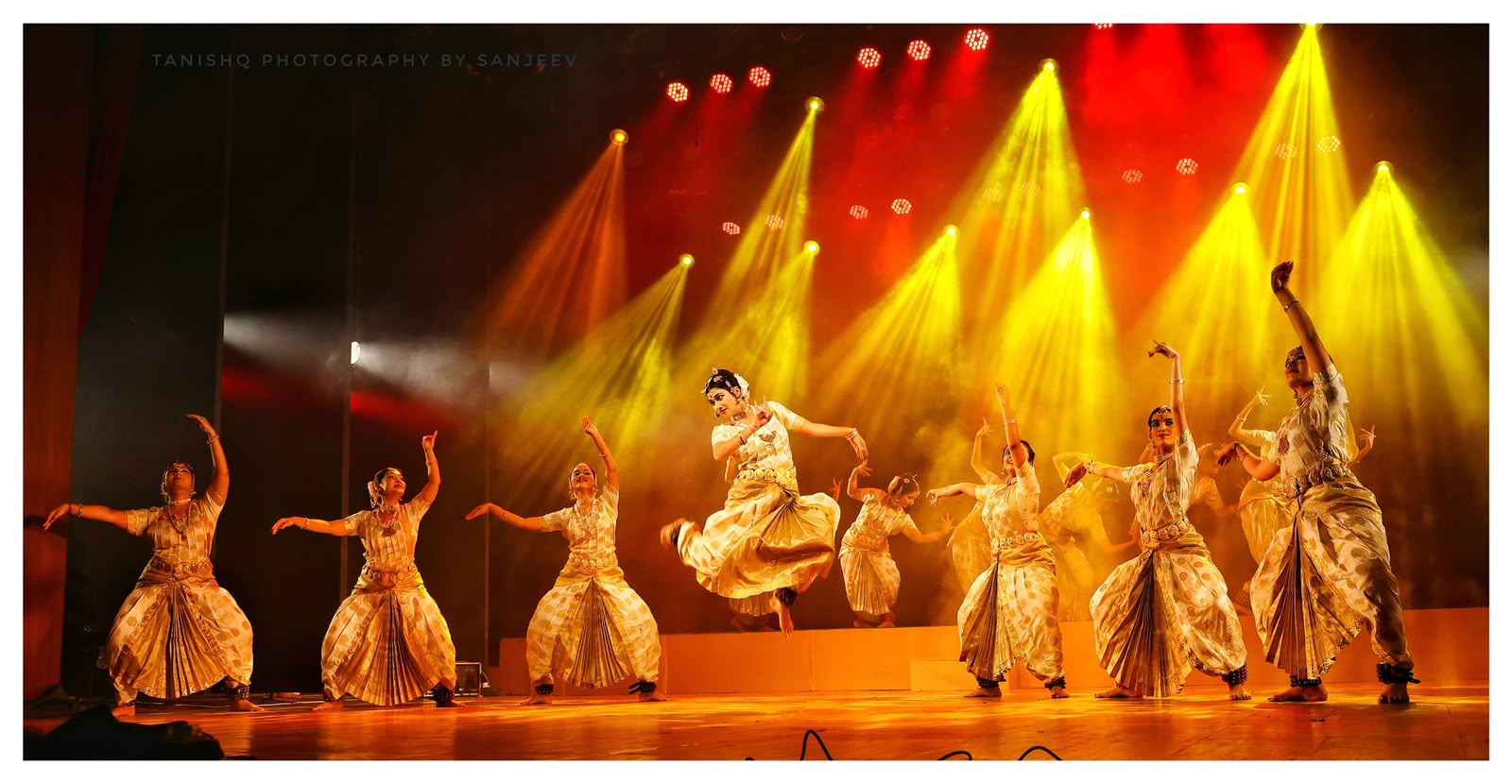
NCPA’s Nakshatra Festival Brings Classical Dance Traditions Together
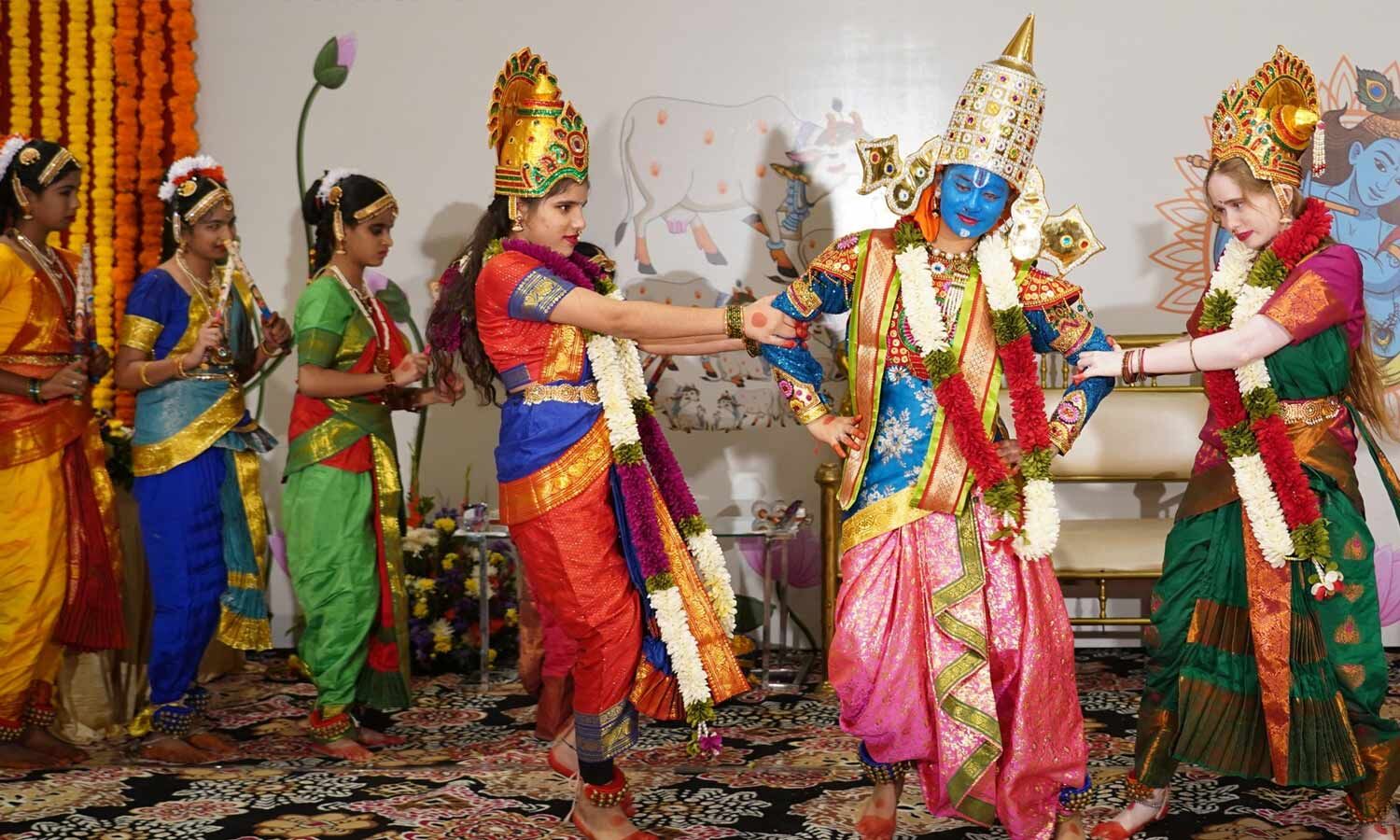
Visually Challenged Students Shine at Sri Krishna Jayanthi

Kuchipudi artiste Laya Raj presents an evening of devotion
Kalyan Students Bring Krishna’s Stories Alive Through Kathak Recital

Conflicting Death Toll Reported After Krasnodar Drone Strike

Russian Helicopter Crash Kills 5 Defense Industry Workers in Dagestan