1 day ago
Nepal Floods Cast Uncertainty Over Kailash Pilgrimage Routes

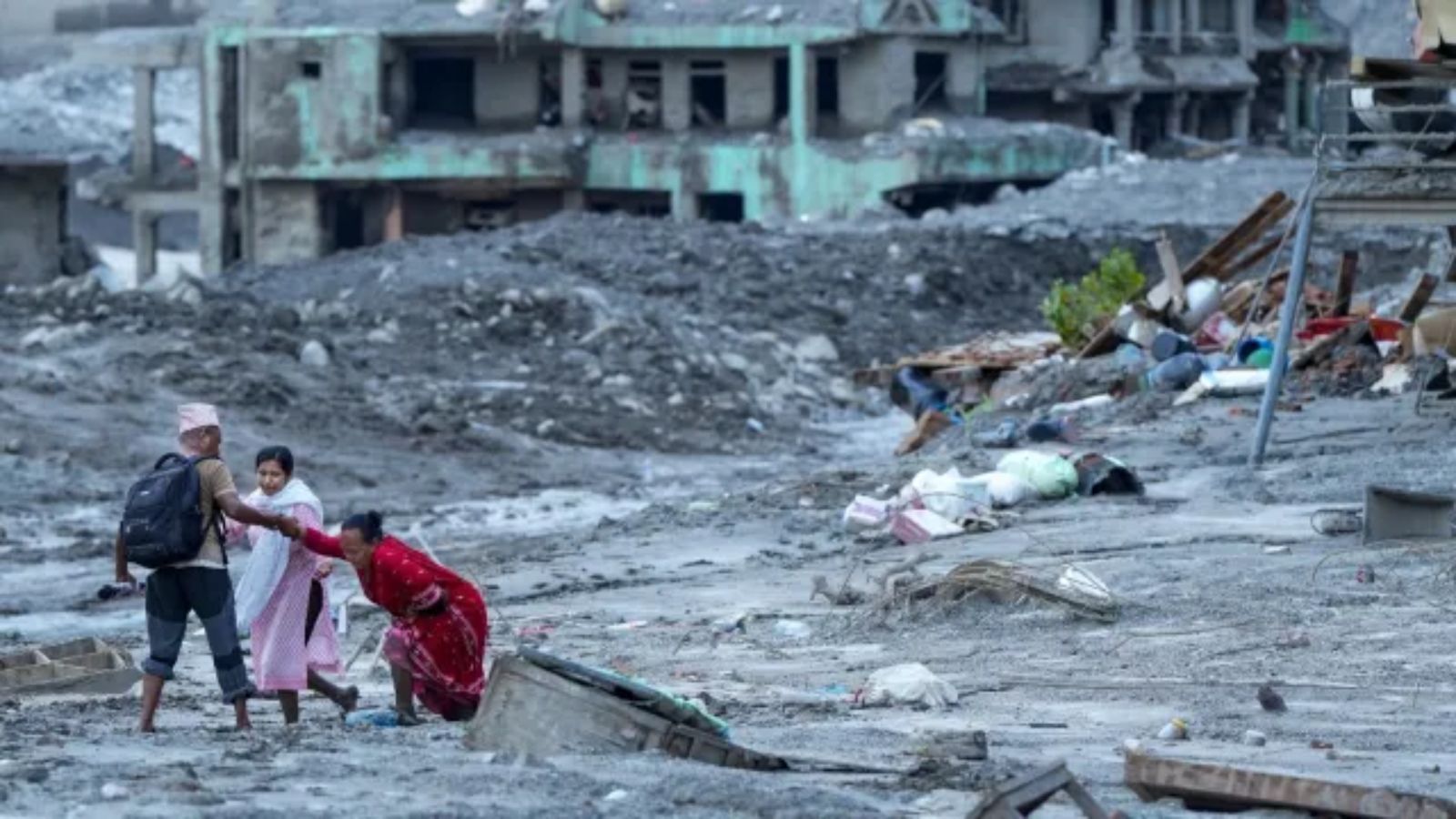
Severe floods have damaged important areas near routes used for the Kailash pilgrimage.
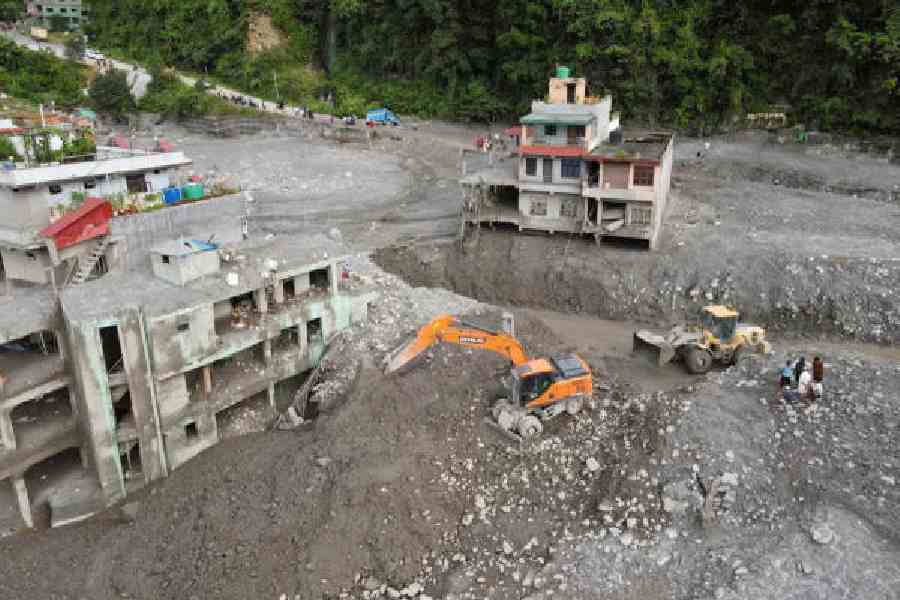
Rasuwagadhi and Gyirong were among the places affected.
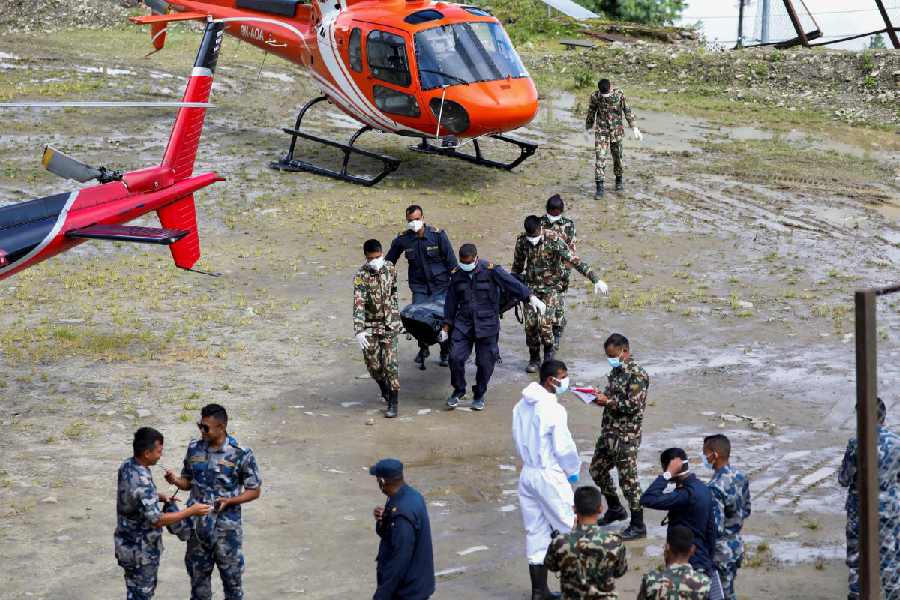
Rescue workers are trying to remove large amounts of mud and debris.
By September 1, more than 1,000 people in Nepal had died.
Thousands of others were still missing.
This means the pilgrimage routes may not be safe or easy to use.
Mountain weather and border conditions can change quickly.
A cheaper or faster trip is not always the safest choice.

Flooding destroyed critical infrastructure around Rasuwagadhi and Gyirong.
Rescue teams are still clearing extensive mud and debris.
More than 1,000 people had died in Nepal’s floods as of September 1.
Thousands of people remained missing, according to the report.
The disaster highlights risks from rapidly changing routes, altitude, weather and border conditions.
- Who
- Pilgrims, rescue teams and people affected by flooding in Nepal.
- What
- Flooding destroyed infrastructure near Rasuwagadhi and Gyirong and raised safety concerns about Kailash pilgrimage routes.
- Where
- Around Rasuwagadhi and Gyirong, on routes associated with the Kailash pilgrimage.
- When
- As of September 1, with rescue work continuing.
- Why
- Flood damage, mud, debris, high altitude, changing weather and border conditions may make travel hazardous.
Key facts
- Disaster impact
- More than 1,000 people had died in Nepal’s flood disaster as of September 1.
- Missing people
- Thousands remained missing.
- Infrastructure damage
- Critical infrastructure around Rasuwagadhi and Gyirong was destroyed.
- Rescue operations
- Rescue teams were continuing to work through mud and debris.
- Travel concern
- Kailash routes can be affected by rapidly changing weather, altitude and border conditions.
- Safety warning
- A cheaper or faster itinerary does not necessarily provide greater safety.
Sources
Related news
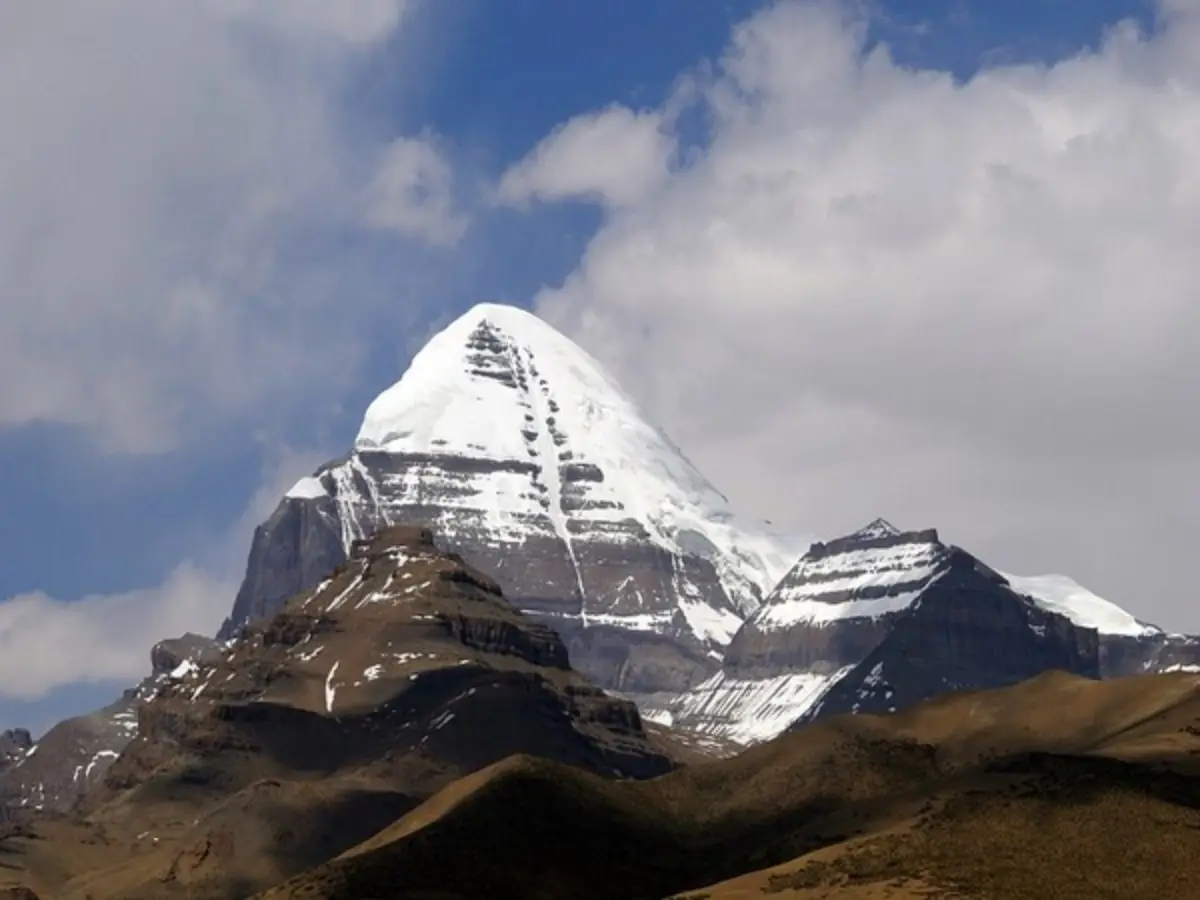
Nepal Flash Flood Leaves Nearly 400 Kailash Pilgrims Unreachable

Nepal Flash Floods Kill 157, Hundreds Missing in Hard-Hit Districts
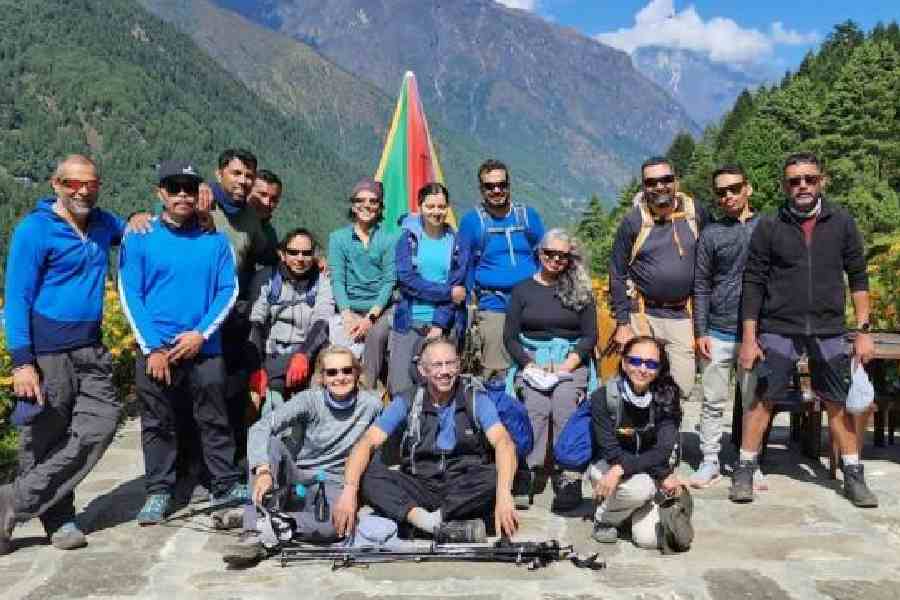
Nepal Floods Cancel Kailash Trips, Everest Treks Continue
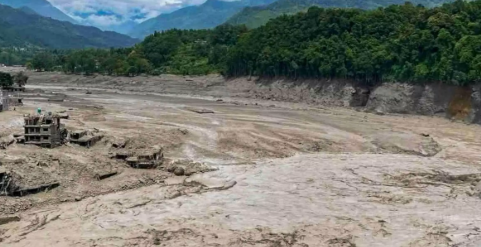
Nepal Floods Reveal Risks on Private Kailash Pilgrimage Routes
Nepal Flash Flood Leaves Tourists Using Alternative Routes to Return

Flash Flood Leaves 77 Kailash Pilgrims Unaccounted For
Nepal Plans New Landslide Warning System Along China Border

Nepal Thanks India as Glacial Disaster Rescue Efforts Continue
Nepal Warns of Heavy Rain After Deadly Floods
Nepal Flood Exposes Delayed Alerts and Cross-Border Warning Gaps
India to Rebuild Nepal School After Principal Saves 1,600