1 week ago
Oura Faces Lawsuit Over Claims About Sleep-Tracking Accuracy
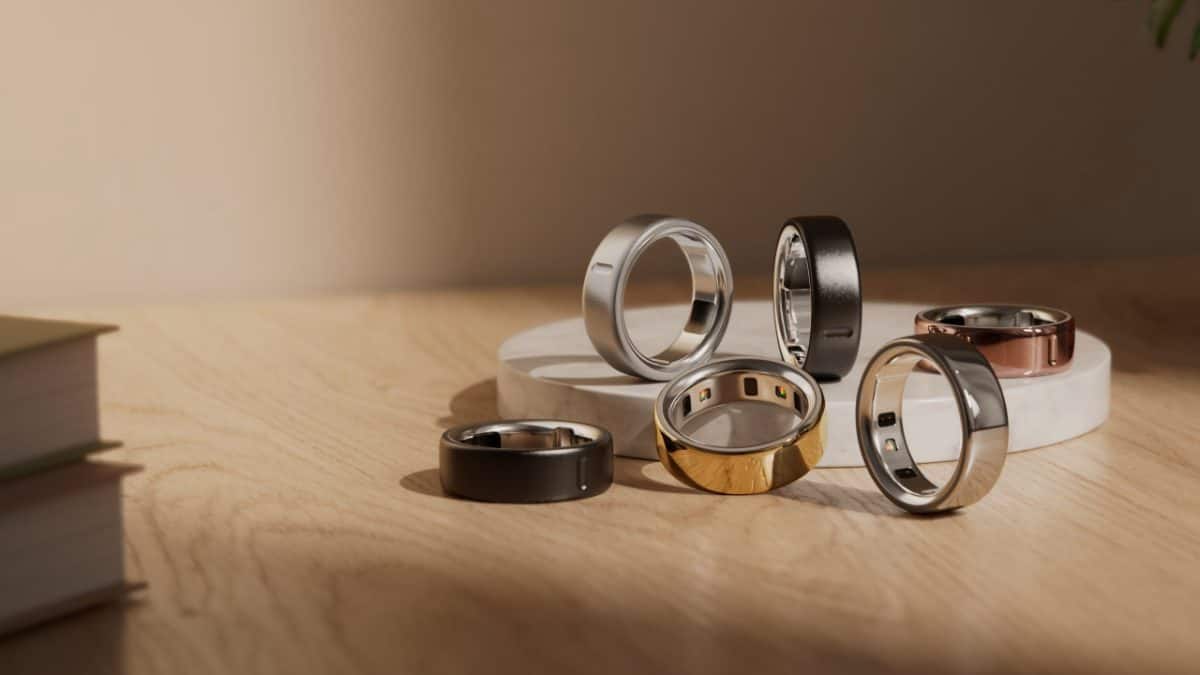
Oura makes a small ring that tracks health and sleep.
A proposed lawsuit says Oura overstated how accurately the ring can identify sleep stages.
The stages include being awake, light sleep, deep sleep, and REM sleep.
The lawsuit says clinical tests use special sensors to measure brain activity and eye movements directly.
Oura’s ring does not use those same sensors.
Oura says it estimates sleep stages using heart rate, movement, breathing, temperature, and other signals.
The company also says research has compared its method with clinical sleep tests.
The lawsuit is an allegation, and a court has not decided whether Oura broke the law.

A proposed California class-action lawsuit accuses Oura of misleading consumers about sleep-stage accuracy.
The complaint was filed in San Francisco last week by the Clarkson Law Firm for consumer Madison Surber.
The lawsuit challenges Oura claims that its rings can identify wake, light, deep, and REM sleep accurately.
Plaintiffs say the rings lack sensors that directly measure brain activity and eye movements used in clinical sleep studies.
Oura rejects the allegations, saying its rings combine several physiological signals and have been studied against laboratory tests.
- Who
- Oura is the defendant; the proposed case was brought for California consumer Madison Surber by the Clarkson Law Firm.
- What
- A proposed class-action lawsuit alleges that Oura falsely or misleadingly advertised the accuracy of its sleep-stage tracking.
- Where
- The case was filed in San Francisco, California.
- When
- The lawsuit was filed last week; the articles do not provide a specific filing date. Surber allegedly bought an Oura Ring in 2025.
- Why
- The complaint says Oura’s rings cannot directly measure the brain activity and eye movements used to define sleep stages, while Oura says it estimates stages from multiple physiological signals.
Plaintiff’s Allegations
Oura’s Response
Ability to identify sleep stages
Plaintiff’s Allegations
The complaint alleges that Oura’s hardware cannot accurately identify wake, light, deep, and REM sleep because it lacks sensors that directly measure brain activity and eye movements.
Oura’s Response
Oura says its rings estimate sleep stages using multiple physiological signals, including heart rate, heart-rate variability, movement, breathing patterns, and temperature.
Comparison with clinical testing
Plaintiff’s Allegations
The lawsuit says accurate sleep-stage measurement requires equipment such as scalp electrodes and eye sensors used in clinical polysomnography.
Oura’s Response
Oura says independent peer-reviewed research has found physiological changes associated with different sleep stages and that its method has been evaluated against laboratory testing in multiple studies.
Meaning of marketing claims
Plaintiff’s Allegations
The attorneys argue that consumers could interpret Oura’s accuracy claims as meaning the ring directly identifies the same stages measured in a clinical sleep study.
Oura’s Response
Oura maintains that its ring is not intended to replace a clinical sleep study and says it will defend itself against the allegations.
Key facts
- Company
- Oura, a Finnish maker of health, fitness, and sleep-tracking smart rings
- Legal status
- Proposed class-action lawsuit; the allegations have not been tested in court
- Law firm
- Clarkson Law Firm
- Plaintiff
- California consumer Madison Surber
- Purchase cited
- The complaint says Surber paid $513.68 for an Oura Ring in 2025
- Marketing claims challenged
- Oura described its rings as “built for accuracy” and offering “unparalleled accuracy”; the complaint also cites claims of 79% and 95% accuracy
- Sales reported by Oura
- More than 5.5 million rings sold since launch, compared with 2.5 million reported sold by June 2024
Quotes
Clarkson Law Firm attorneys
Attorneys representing the consumer in the proposed class-action lawsuit
“Sleep happens in the brain, not on one’s finger.”
 firstpost.com

Oura
The smart-ring maker responding to the lawsuit
“Oura Ring estimates sleep stages using multiple physiological signals”
firstpost.com
Sources
Related news

Dr Shriram Nene's 90-Day Smart Ring Experiment Reveals Health Patterns

Why Oura and Whoop Could Be IPO Winners
From Perfect Sleep Kits to Hushpitality: The Sleep Economy Booms

Top Doctors Warn Against Trusting Every Smartwatch Health Reading

Meta calls allegations of misleading users 'unsubstantiated' ahead of trial

Six Smartwatches Worth Watching for Heart-Rate Tracking Accuracy

Bargarh Woman Becomes District’s First Female Commercial Pilot

Sam Altman Says AI Capabilities and Safeguards Must Advance Together

Sony and Warner Sue Anthropic Over AI Music Training

Mother Bear And Three Cubs Rescued From California Water Tank

Overnight Rescue Saves Climber Trapped On Narrow Ledge