1 month ago
Is Eating Ragi Every Day Safe?
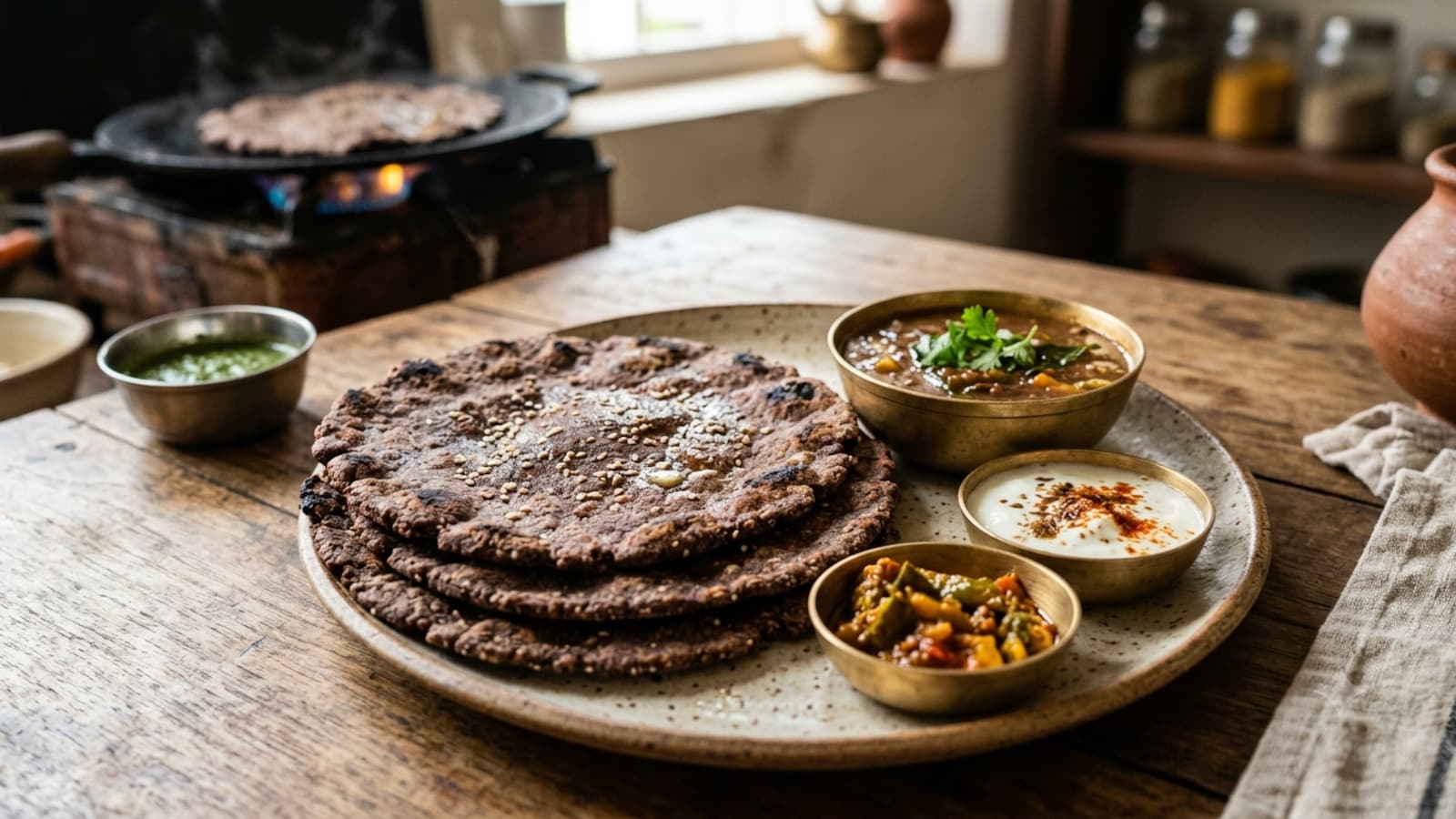
Ragi, also known as finger millet, is a popular healthy grain known for its nutritional benefits.
It is rich in calcium, iron, and fiber, which can help with bone health, weight loss, and blood sugar management.
However, eating ragi every day may not be suitable for everyone.
Some people might experience digestive discomfort, and those with a history of kidney stones should be cautious due to its oxalate content.
Experts recommend including ragi as part of a balanced diet with variety and staying well-hydrated.
Different preparations like ragi idli, cheela, and porridge can make it a nutritious and tasty addition to your meals.

Ragi is rich in calcium, iron, phosphorus, potassium, and magnesium, supporting bone health and managing blood sugar levels.
Eating ragi every day can lead to digestive discomfort for some individuals due to its high fiber content.
Ragi contains oxalates, which may increase the risk of kidney stones in susceptible individuals.
Experts recommend including ragi as part of a balanced diet with variety and staying well-hydrated.
Different preparations like ragi idli, cheela, and porridge can make ragi a nutritious and tasty addition to meals.
- Who
- Healthy individuals, people with specific health goals, those with sensitive digestive systems, individuals with a history of kidney stones
- What
- Ragi (finger millet) consumption and its health implications
- Where
- Ragi is traditionally consumed in southern and hilly regions of India
- When
- Ragi can be consumed daily but in moderation
- Why
- To understand the benefits and potential drawbacks of eating ragi every day
Pro-Ragi Consumption
Cautious Ragi Consumption
Nutritional Benefits
Pro-Ragi Consumption
Ragi is rich in calcium, iron, phosphorus, potassium, and magnesium, which help combat anemia and support stronger bones. Its high fiber content aids in weight loss and blood sugar management.
Cautious Ragi Consumption
While ragi is nutritious, relying solely on it can lead to nutritional imbalances. It is important to include a variety of grains and foods in the diet.
Digestive Health
Pro-Ragi Consumption
Ragi can be beneficial for those looking to improve calcium intake, increase dietary fiber, manage blood sugar levels, and seek healthier alternatives to refined grains.
Cautious Ragi Consumption
Ragi is heavy on the stomach and may cause bloating, fullness, or digestive discomfort, especially for those with sensitive digestive systems or those not accustomed to high-fiber foods.
Kidney Stone Risk
Pro-Ragi Consumption
Ragi is a nutritious millet that can be included in a balanced diet for most healthy individuals.
Cautious Ragi Consumption
Ragi contains oxalates, which in combination with calcium, can increase the risk of kidney stones. Individuals with a history of kidney stones should consult a doctor before consuming large amounts regularly.
Key facts
- Nutrients
- Calcium, iron, phosphorus, potassium, magnesium, fiber
- Health Benefits
- Supports bone health, aids in weight loss, manages blood sugar levels
- Digestive Impact
- Can cause bloating and discomfort for some individuals
- Kidney Stone Risk
- Contains oxalates that may increase kidney stone risk
- Ayurvedic Property
- Ruksha (dry), requires adequate hydration
- Recommended Consumption
- Part of a balanced diet with variety
Quotes
Dt. Kanchan Khurana
Senior Clinical Nutritionist, Fortis Hospital
“"No one grain should be the whole of the diet. Eating only ragi everyday and avoiding wheat, rice, pulses, fruits and vegetables can lead to nutritional imbalance. The best strategy is to rotate whole grains, pair up ragi with adequate protein and vegetables and keep yourself physically active on a regular basis. The key to long-term metabolic health is not any one “superfood” but rather dietary diversity."”
 NDTV
NDTV
“"Ragi is a highly climate‑resilient and drought‑tolerant crop that has been consumed for generations in southern and hilly parts of India. It offers several nutritional benefits as it is rich in calcium, iron, phosphorus, potassium and magnesium. It helps combat anaemia and supports stronger bones."”
NDTV
Sources
Related news

ASUS Expands TUF Gaming Laptops in India With New Models

Bishworjit Konthoujam Ends Vaibhav Sooryavanshi’s Duleep Trophy Debut

Poco F9 Pro and Ultra Global Launch Set for September

MG Hector Hawk India Launch Set for August 26

Jefferies Favors HAL, BEL and Data Patterns Over BHEL

Auto Week Brings Skoda Facelift, Defender Dakar and New Editions
Eight Ragi Recipes Add Variety To Everyday Meals
Ragi Not Boring: 10 Healthy, Delicious Ways To Enjoy It