1 month ago
New Bill Empowers Centre to Probe Exam Fraud
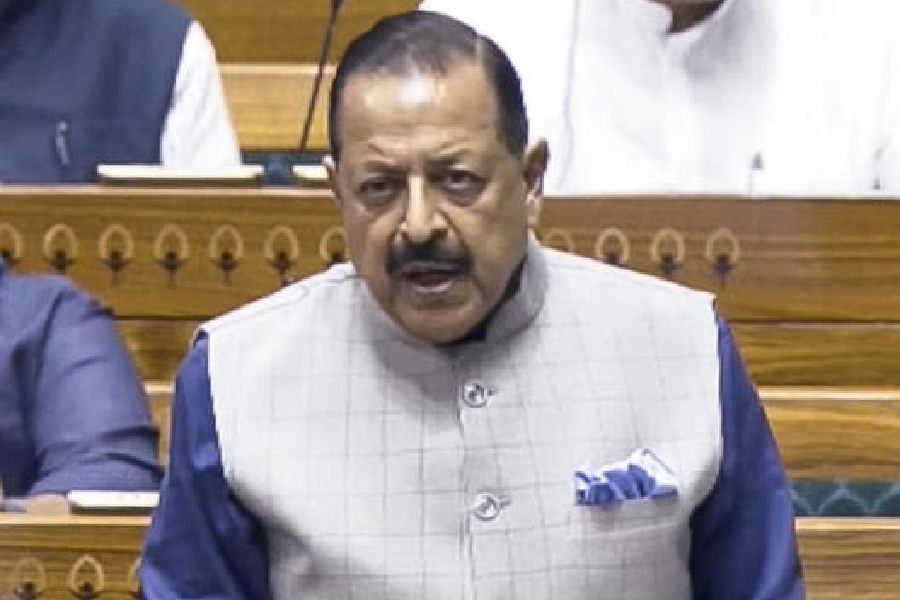
The Indian government has introduced a new bill to stop cheating in exams.
This bill allows the central government to set up special teams to investigate exam fraud anywhere in the country.
Some education experts say this takes away the power of state governments to investigate these cases, which they believe is an infringement on their rights.
The bill also increases the punishment for those involved in exam fraud, including longer jail terms and higher fines.
It also requires faster trials, with investigations to be completed in two months and trials in three months.
Some people think this will help stop exam fraud, while others worry it could be used for political reasons.

The Public Examinations (Prevention of Unfair Means) Amendment Bill empowers the Centre to set up Special Task Forces (STFs) to investigate exam fraud.
The bill increases punishment for exam fraud, including longer jail terms and higher fines.
State governments argue the STF provision infringes on their constitutional rights over law and order.
Critics fear the STF provision could be politically misused, particularly in Opposition-ruled states.
The bill mandates fast-track trials, with investigations to be completed in two months and trials in three months.
- Who
- The Indian Parliament, educationists, and state governments
- What
- Introduction of a bill to amend the 2024 law on exam fraud prevention, empowering the Centre to set up STFs for investigations
- Where
- India
- When
- The bill was introduced in the Lok Sabha on Monday
- Why
- To address exam fraud and paper leaks, following a 36-day protest by Gen Z and the resignation of Education Minister Dharmendra Pradhan
Centre's Authority
States' Rights
Investigation Authority
Centre's Authority
The Centre can set up Special Task Forces (STFs) to investigate exam fraud anywhere in the country, overriding state agencies.
States' Rights
State governments argue this infringes on their constitutional rights over law and order, as exam fraud investigations should be handled by state agencies.
Political Use of STF
Centre's Authority
The Centre can unilaterally order an STF probe into malpractice charges involving state government or state university exams.
States' Rights
Critics fear the STF provision could be politically misused, particularly to investigate exam fraud allegations in Opposition-ruled states.
Key facts
- Bill Name
- Public Examinations (Prevention of Unfair Means) Amendment Bill
- Introduced By
- Minister of State for Personnel Jitendra Singh
- Current Law
- 2024 law on exam fraud prevention
- New Provision
- Special Task Forces (STFs) for exam fraud investigations
- Punishment for Individuals
- Jail term increased from 3-5 years to 5-10 years, fine from ₹10 lakh to ₹50 lakh
- Punishment for Service Providers
- Fine increased from ₹1 crore to ₹4 crore, ban from 4 years to 8 years
- Punishment for Organised Crime
- Jail term increased from 5-10 years to 7 years minimum, fine from ₹1 crore to ₹10 crore
- Trial Process
- Investigation to be completed in 2 months, trial in 3 months by special fast-track courts
Quotes
Vice-Chancellor of a state university
University executive speaking on exam leak issues
“"But if the Union government sets up an STF, it will effectively mean the state will lose its constitutional power to investigate issues under its domain," he said.”
 telegraphindia.com
“"Paper leaks are a systemic issue. The examination bodies at the Centre and in the states work under the control of their governments."”
telegraphindia.com
Sources
Related news

Nvidia’s RTX Spark AI PCs From Lenovo, Acer Launch October

Choice Recommends Ratnaveer Stock Amid Electronic Materials Expansion
IIT Bombay Launches E-PG Diploma In Computer Science And AI

Why Education Must Move Beyond Marks and Report Cards

Reliance Explores Aluminium Production Through Odisha Bauxite and Coal Gasification
Bandi Sanjay Kumar Calls Congress, BRS Leaders Drama Artists

Amit Shah’s UCC Roadmap Sparks Opposition Clash Ahead Of 2029

Parbati Giri Birth Centenary Stamp Proposal Receives Centre’s Support
Congress Accuses Shah of Plotting Delimitation Majority

Aishwarya Lekshmi Reframes Kangana Ranaut Admiration Amid Political Disagreements