4 hrs ago
Trump Demands Sharp Rate Cut After Federal Reserve Hike

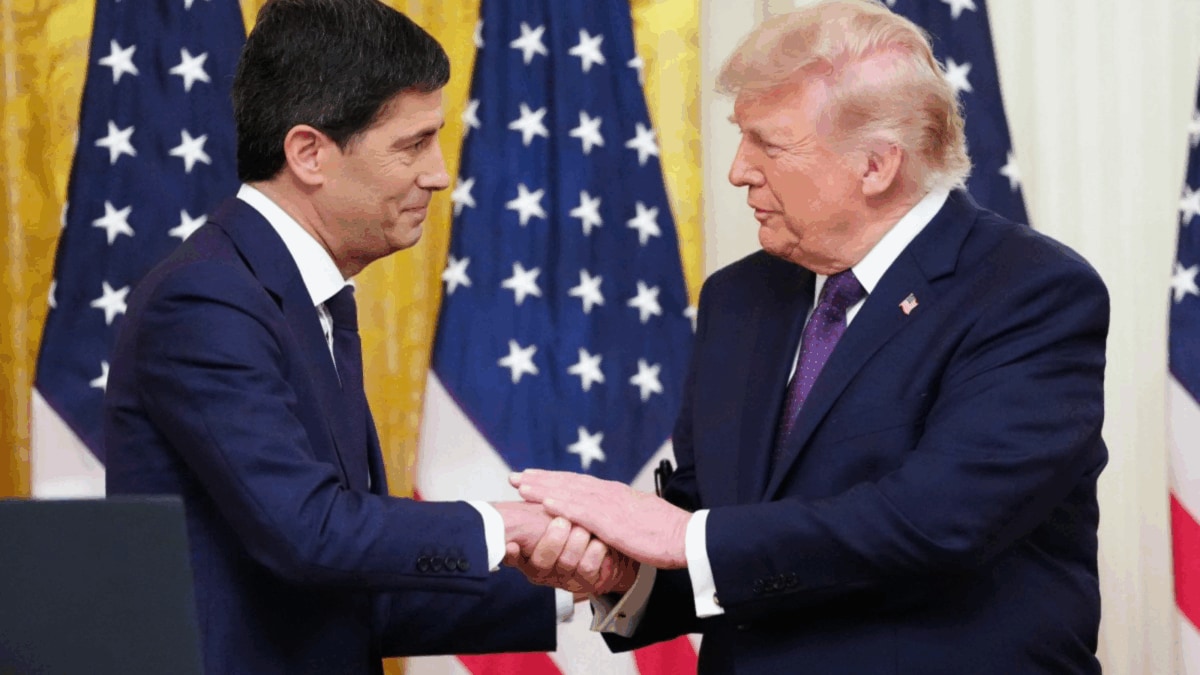
Donald Trump wants the United States to make borrowing money much cheaper.
He said interest rates should be 1% or even lower.
The Federal Reserve instead raised its main interest rate to between 3.75% and 4%.
The Fed said prices are still rising too quickly.
Higher rates can make mortgages, car loans and credit-card borrowing more expensive.
The Fed believes keeping rates higher can help slow inflation.
Trump believes lower rates would encourage investment and help the economy.
Their disagreement also raises questions about the Federal Reserve’s independence.

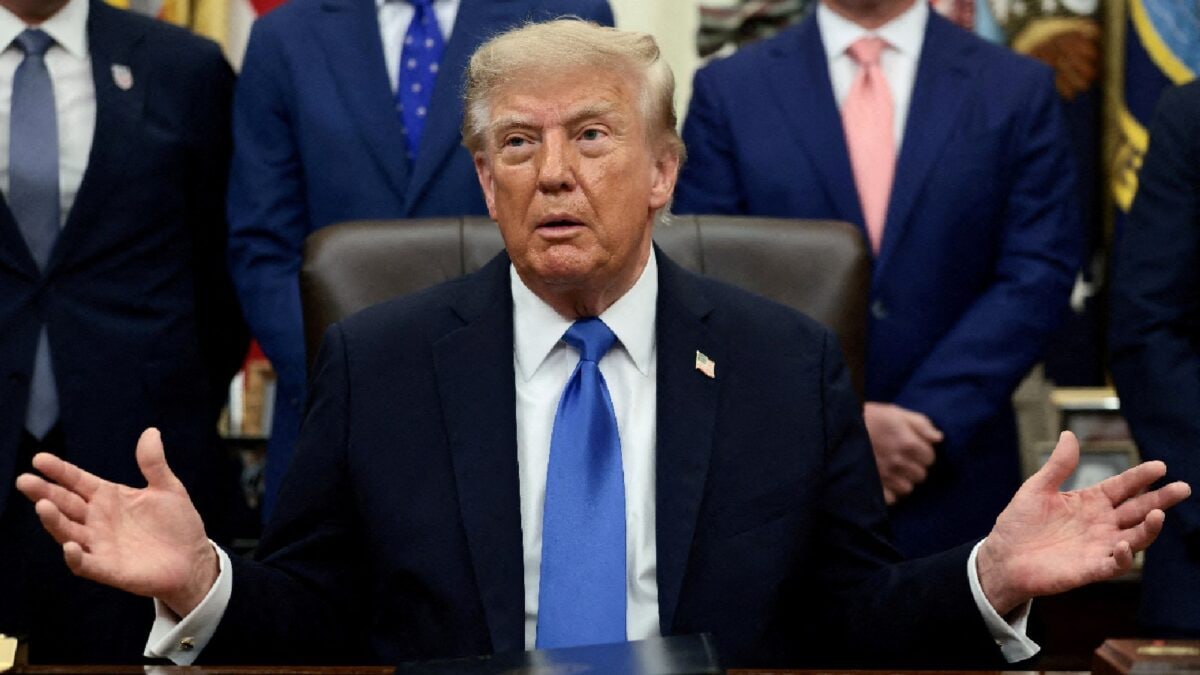
Donald Trump called for US interest rates to fall to 1% or less, and urged the reduction to happen quickly.
The Federal Reserve raised its benchmark federal funds rate by 25 basis points, to a range of 3.75% to 4%.
The article describes the increase as the Fed’s first since July 2023 and, elsewhere, as its first in more than three years.
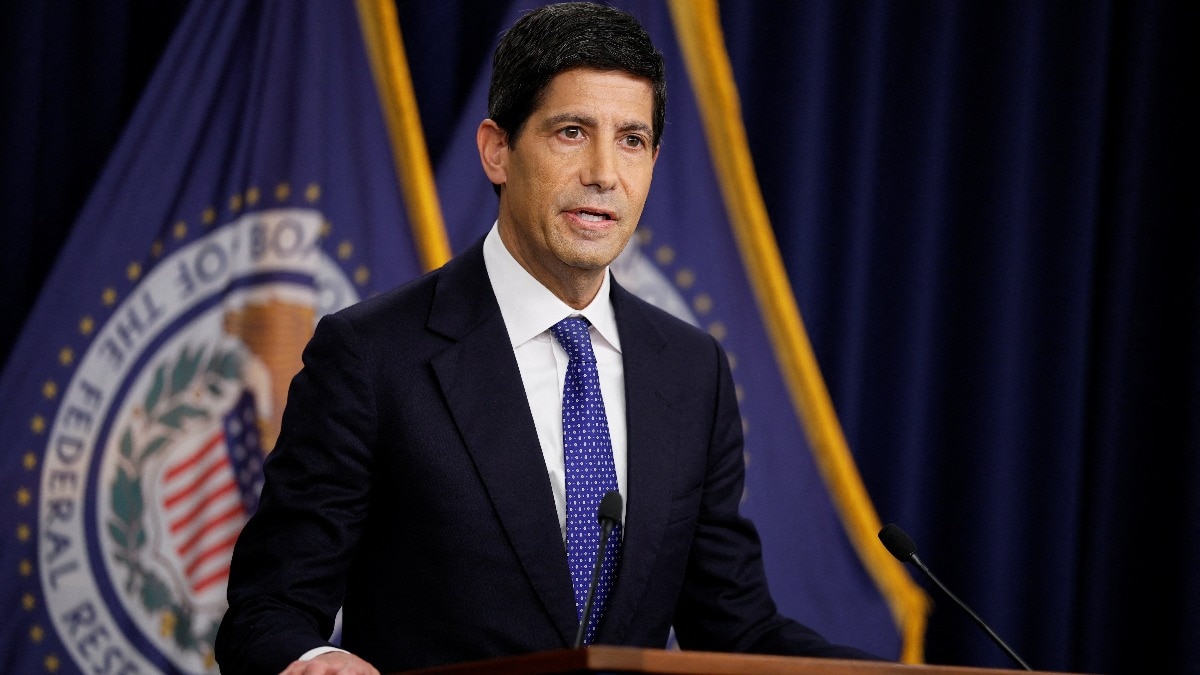
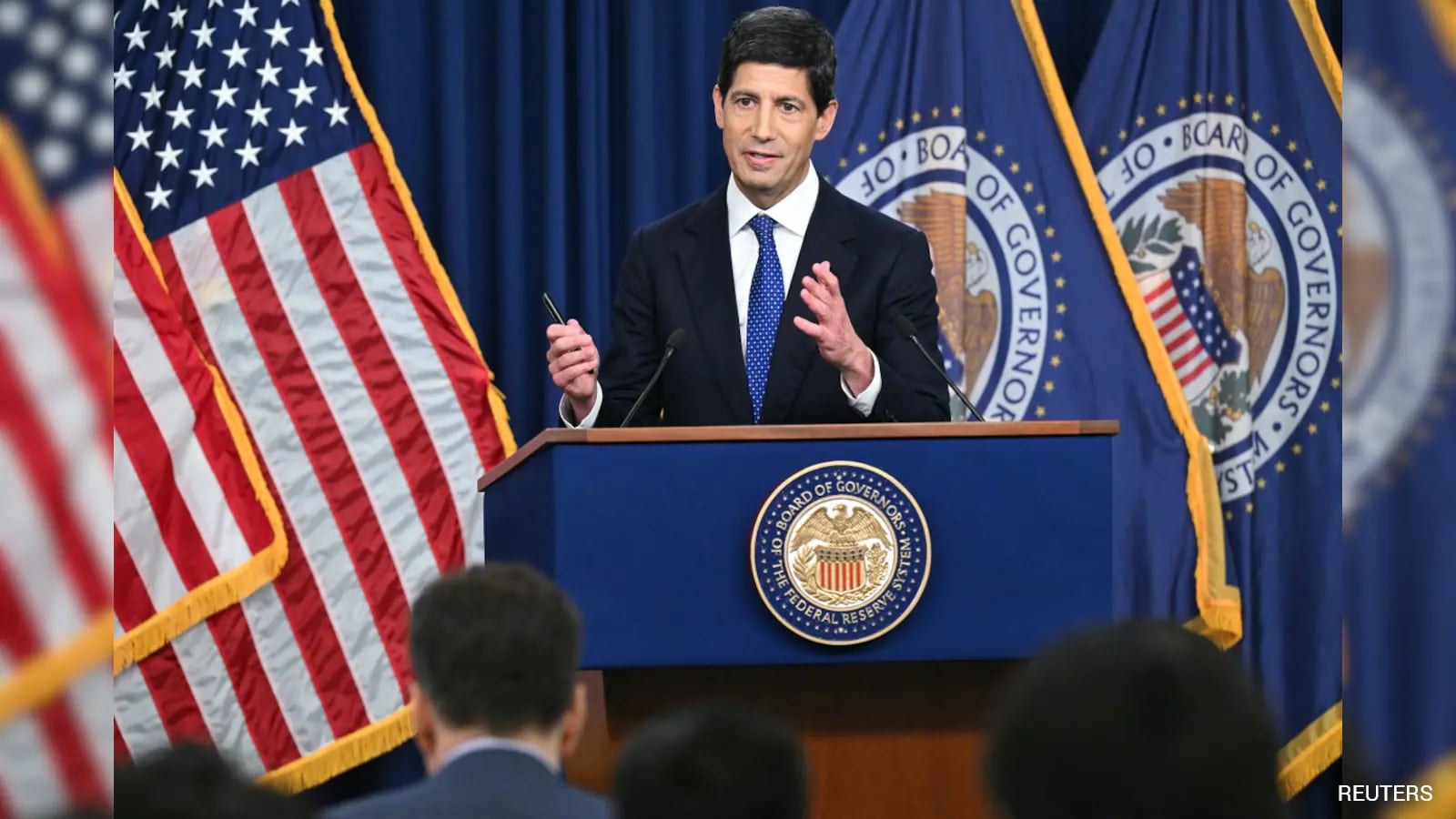
Fed Chair Kevin Warsh defended the decision, citing persistent inflation, while economic activity and the labor market remained resilient.
Energy-price increases, tariffs and strong artificial-intelligence-related capital spending have added uncertainty and inflationary pressure.
- Who
- US President Donald Trump, Federal Reserve Chair Kevin Warsh and the Federal Reserve.
- What
- Trump demanded rates of 1% or less after the Federal Reserve raised its benchmark rate by 25 basis points.
- Where
- The United States.
- When
- The Fed decision and Trump’s comments were reported on Wednesday; the increase was described as the first since July 2023 and as the first in more than three years.
- Why
- Trump said lower rates would support an economy attracting investment, while the Fed cited inflation that remained too high.
Trump’s Position
Federal Reserve’s Position
Appropriate interest-rate level
Trump’s Position
Rates should be reduced dramatically to 1% or less because Trump says the economy is attracting investment and has strong credit credentials.
Federal Reserve’s Position
Rates should remain higher, and potentially rise again later in the year, because inflation remains too high.
Economic priority
Trump’s Position
Cheaper borrowing would support investment and the broader economy.
Federal Reserve’s Position
Controlling persistent inflation is essential for longer-term economic stability, even if higher rates make borrowing more expensive.
Central-bank relationship
Trump’s Position
Trump has repeatedly called for more aggressive rate cuts, putting pressure on the Federal Reserve.
Federal Reserve’s Position
Kevin Warsh has stressed that the Federal Reserve must maintain its independence while setting monetary policy.
Key facts
- Trump’s requested rate
- 1% or less
- Federal funds rate after hike
- 3.75% to 4%
- Size of increase
- 25 basis points
- Federal Reserve rationale
- Persistent inflationary pressures alongside resilient economic activity and a stable labor market
- Additional inflation pressures
- Higher energy prices, tariffs and strong artificial-intelligence-related capital spending
- Household impact
- Higher rates can increase borrowing costs for mortgages, car loans and credit cards
- Gold-market implication
- Higher rates may make interest-bearing assets more attractive than non-yielding gold
Sources
Related news
Fed Raises Rates as Inflation Persists, Trump Demands Cuts
Fed Raises Rates as Inflation Mounts, Defying Trump

Trump Pressures Fed After Rate Hike, Demands One Percent Rates

Trump Urges Lowest Rates as Inflation Raises Fed Hike Pressure
White House Criticizes Fed Rate Hike Over Inflation Dispute

Trump urges lowest US interest rates ahead of Fed meeting
US Fed Raises Rates as RBI Faces Pressure to Follow

Markets Brace for Expected Fed Rate Hike Amid Volatility

Trump Vows Fed Independence as Warsh Weighs Rate Hike