

2 hrs ago
India’s MLFF Tolling Shift Could Reshape Highway Economics
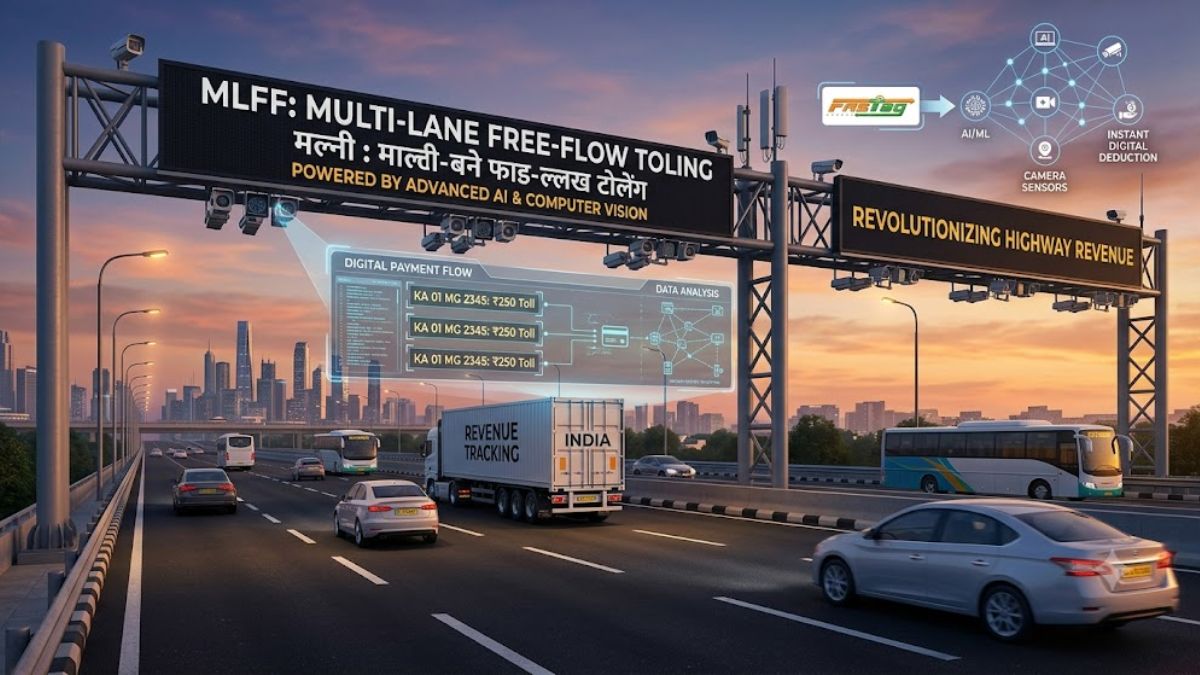
Today, many vehicles stop at toll booths to pay for using highways.
MLFF is a system that could let vehicles pass without stopping, using electronic tags and cameras to identify them.
Supporters say this could mean shorter queues and lower costs to run toll roads.
Better digital records could also help operators spot missed payments and predict how much money a road will earn.
But cameras and tags can make mistakes, and some drivers may not pay.
Governments and road operators will need clear rules and systems that work together to collect unpaid tolls.
Changing older roads and contracts could also cost money.
In the future, satellite technology might charge drivers based on how far they travel, but experts say that is not ready to replace MLFF now.

Multi-Lane Free Flow (MLFF) combines FASTag, automatic number plate recognition and AI to collect tolls without barriers.
Experts say the system could reduce toll-collection costs, congestion and revenue leakage while improving traffic data and cash-flow predictability.
Retrofitting existing roads may require substantial upfront investment, and concession agreements may need revisions to protect operators’ contractual rights.
Reliable enforcement of unpaid tolls, technology interoperability, accurate vehicle identification, fraud prevention and data governance remain key challenges.
Experts describe GNSS distance-based tolling as a longer-term possibility, not an immediate replacement for MLFF.
- Who
- Highway operators, concessionaires, investors and road users; experts quoted include Dr. Zafar Khan, Sanjay Kumar Sinha and Yayati Kene.
- What
- India is moving towards Multi-Lane Free Flow tolling, a barrier-free system using FASTag, automatic number plate recognition and AI.
- Where
- India’s highways.
- When
- The transition is being planned; the article describes GNSS-based distance tolling as a longer-term possibility.
- Why
- The shift aims to reduce toll-collection costs and congestion and improve collection efficiency, revenue assurance and traffic flow.
Potential benefits
Risks and challenges
Operating costs and cash flows
Potential benefits
MLFF could replace some toll-plaza infrastructure and staffing with digital systems, reduce collection costs and make revenue more predictable.
Risks and challenges
Retrofitting existing roads may require higher upfront capital expenditure, and the financial impact depends on toll pricing, discounts and project arrangements.
Barrier-free travel and toll recovery
Potential benefits
Vehicles passing without stopping could reduce queues, travel delays and fuel costs while improving corridor throughput.
Risks and challenges
Without physical barriers, collecting unpaid tolls depends on accurate identification, back-office processing and effective enforcement; experts raised concerns about recovery delays and non-payment.
Future charging systems
Potential benefits
GNSS could eventually support distance-based or more granular road-user charging.
Risks and challenges
Experts said GNSS faces challenges involving accuracy, privacy, enforcement and legal frameworks, and should not be treated as an immediate replacement for MLFF.
Key facts
- MLFF approach
- Barrier-free toll collection using FASTag, ANPR and AI.
- Potential benefits
- Lower operating costs, fewer queues, improved traffic flow and stronger revenue assurance.
- Estimated operating-cost savings
- Yayati Kene said operators could potentially save 10–12% of current operating costs.
- FY26 toll collection
- Sanjay Kumar Sinha said toll collections were expected to surpass ₹70,000 crore.
- FASTag daily collections
- Sinha cited collections close to ₹209 crore per day.
- Reported non-payment alerts
- Sinha said early MLFF operations had shown nearly one in 10 vehicles triggering a non-payment alert or tag mismatch.
- GNSS outlook
- Experts view distance-based GNSS tolling as a longer-term development, subject to technical and regulatory challenges.
Quotes
Sanjay Kumar Sinha
Founder and Managing Director of Chaitanya Projects Consultancy.
“On the question of where GNSS-based distance tolling fits into this roadmap, it should be viewed as a longer-term evolution rather than an immediate replacement for MLFF. GNSS could enable a pay-per-kilometre model, but large-scale deployment still faces challenges around positioning accuracy in areas with signal obstruction, privacy, onboard-unit enforcement and the supporting legal framework. MLFF using FASTag, ANPR and AI is therefore likely to form India’s core tolling architecture in the ,”
 financialexpress.com
“Today, a traditional toll plaza carries a significant cost structure—land, civil infrastructure, lanes, booths, manpower, maintenance and, importantly, the inefficiency created by stopping traffic. With MLFF, you are replacing much of that physical infrastructure with overhead gantries and or with lane level free flow without any barrier, FASTag, ANPR, software and data. That should structurally reduce the cost of collection over time and improve toll collection efficiency.”
financialexpress.com
Sources
Related news
FASTag Boosts Toll Revenue as Barrier-Free Tolling Targets 2027

India Plans Barrier-Free Highway Tolling by February or March 2027

India Plans Stop-Free Electronic Tolling on High-Speed National Highways
NHAI launches Tamil Nadu’s first barrier-free tolling system
FASTag expansion could deliver ₹25,000 crore annually: Gadkari
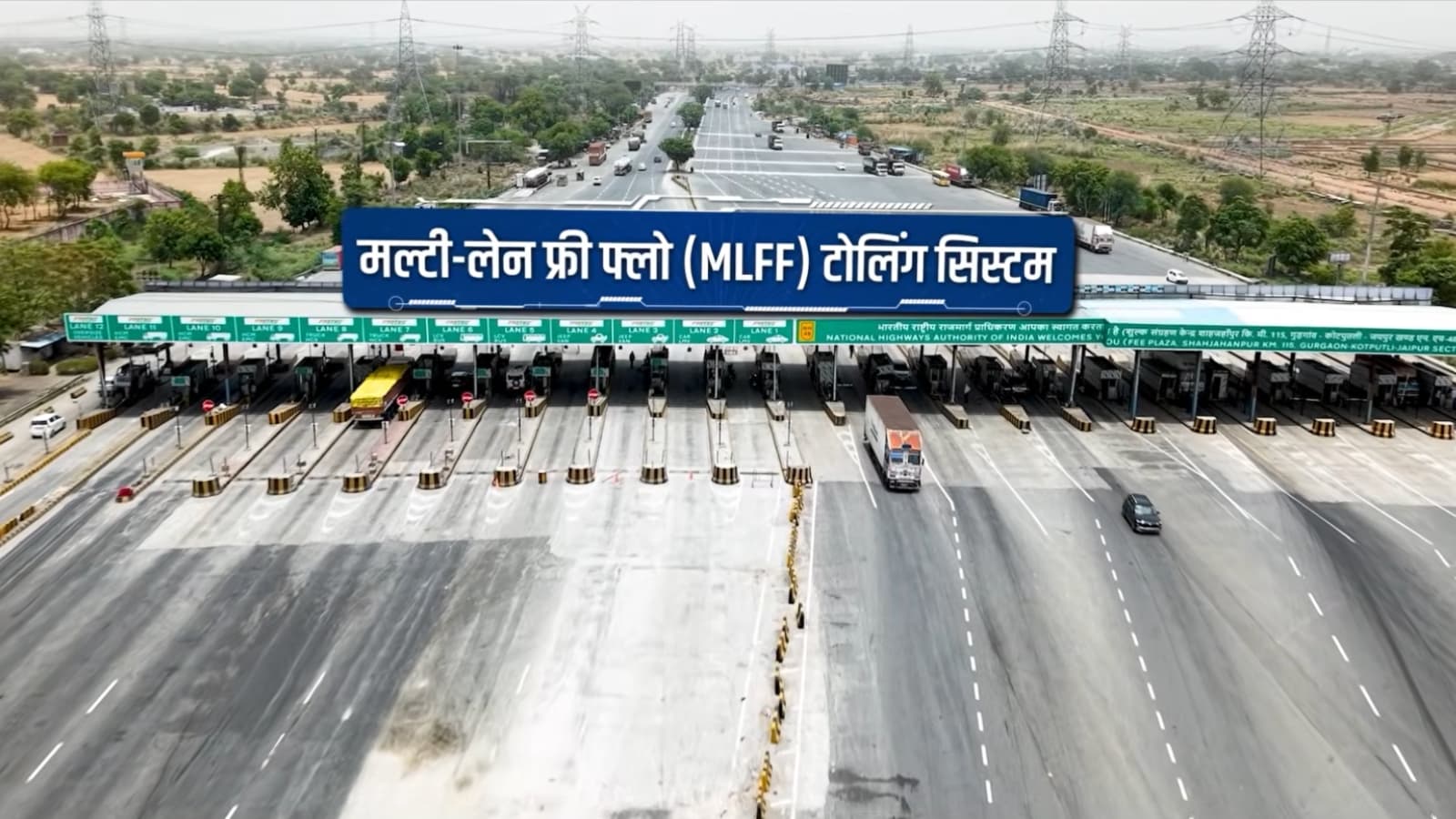
National Highway Toll Booths Set For Barrier-Free System

GST Council Weighs Tax Clarity to Accelerate Highway Asset Monetisation
NHAI Plans Eight Foot Overbridges Along NH 563 After Fatalities

Shivakumar Says NICE Allegations Will Be Answered Legally

Gadkari Urges Global Conduct Code for Infrastructure Sector