

4 hrs ago
India Reaches 84% of Cold-Storage Target, but Gaps Remain

India has built a lot of cold-storage space for food.
It has reached 84% of the amount expected to be needed by 2037-38.
But most of that space is used for potatoes, and much of it is in just two states.
There are far fewer pack-houses, refrigerated trucks and places to ripen produce than the plan calls for.
These facilities can help keep food cool from farms to shops.
A report says the country could invest about ₹1.75 lakh crore in these parts of the cold chain.
It also suggests tracking temperatures as food travels.
Better connections could help reduce food waste and improve what farmers earn.

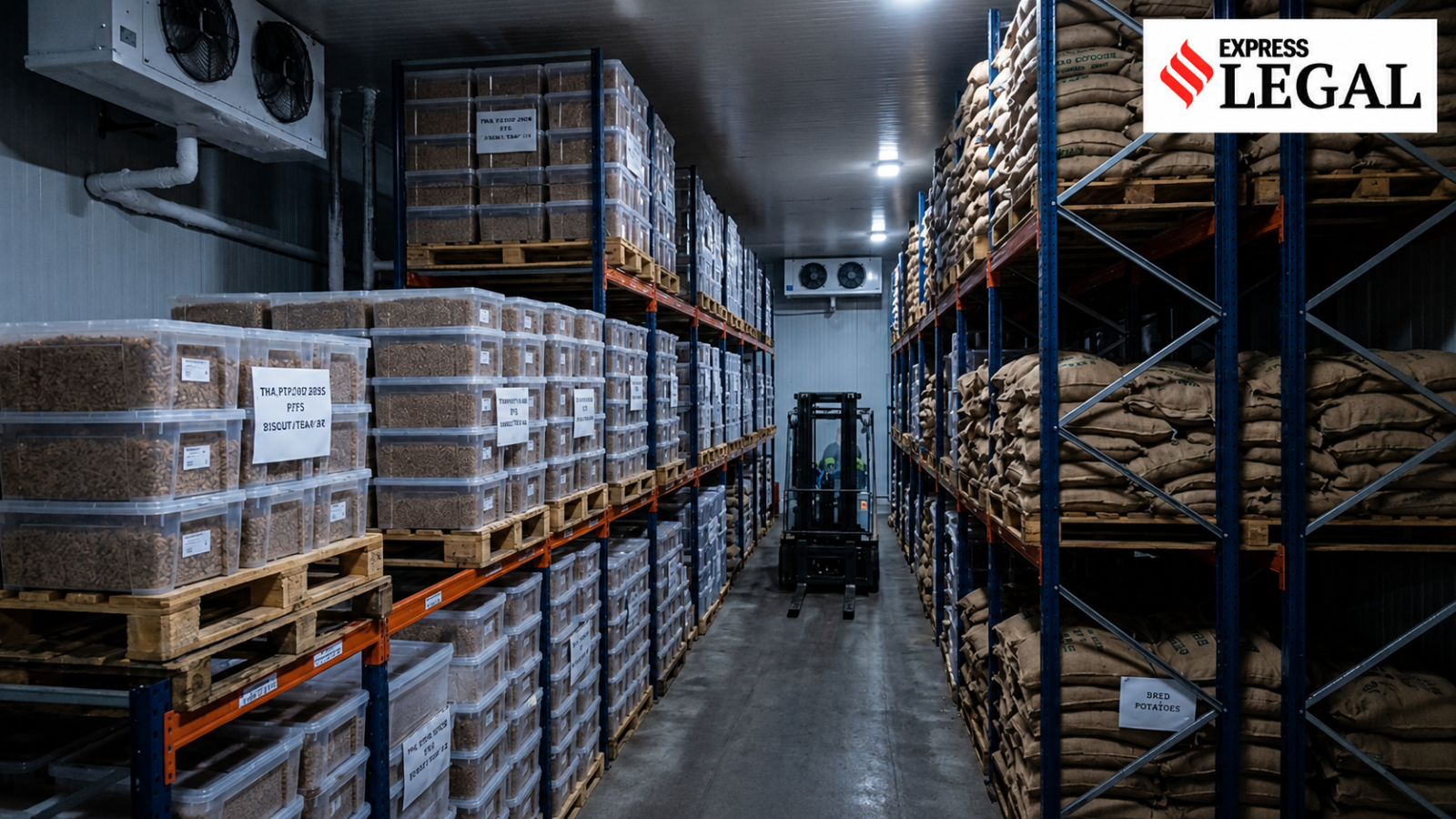
India has 40.22 million tonnes of cold-storage capacity across 8,815 facilities, equal to 84% of the 48-million-tonne target for 2037-38.
About three-quarters of storage capacity is used for potatoes, and more than half is located in Uttar Pradesh and West Bengal.
Infrastructure remains far below target for pack-houses (0.4%), reefer vehicles (3.8%) and ripening chambers (7.1%).
The report estimates that building the planned first-mile and refrigerated transport infrastructure could require about ₹1.75 lakh crore through 2037-38.
Recommendations include farm-gate pre-cooling, shared refrigerated transport, multi-commodity facilities and machine-readable temperature records.
- Who
- FICCI and Grant Thornton Bharat published the report; it discusses India's cold-chain sector.
- What
- India has 40.22 million tonnes of cold-storage capacity, but the report says the wider cold chain has major infrastructure gaps.
- Where
- India; more than half of the reported cold-storage capacity is in Uttar Pradesh and West Bengal.
- When
- The report was published on October 5, 2026, and assesses requirements through 2037-38.
- Why
- The report calls for better first-mile handling and refrigerated transport to connect storage, reduce food losses and support farmer price realisation and exports.
Report and industry recommendations
Current infrastructure constraints
How to build the cold chain
Report and industry recommendations
The report recommends investment in farm-gate pre-cooling, feeder pack-houses, pooled refrigerated movement, multi-commodity facilities and digital temperature records.
Current infrastructure constraints
The reported shortfall in pack-houses, reefer vehicles and ripening chambers means storage is not yet connected by sufficient first-mile and transport infrastructure.
What the storage figures show
Report and industry recommendations
India has reached 84% of the cold-storage capacity estimated to be needed by 2037-38, providing a substantial storage base.
Current infrastructure constraints
The report says capacity is concentrated: about three-quarters is used for potatoes and more than half is in two states.
Key facts
- Current cold-storage capacity
- 40.22 million tonnes across 8,815 facilities
- Estimated 2037-38 requirement
- 48 million tonnes
- Share of capacity used for potatoes
- Approximately three-quarters
- States holding more than half of capacity
- Uttar Pradesh and West Bengal
- Infrastructure progress against targets
- Pack-houses: around 0.4%; reefer vehicles: 3.8%; ripening chambers: 7.1%
- Estimated investment through 2037-38
- Approximately ₹1.75 lakh crore, or around ₹8,800 crore annually
- Reported annual post-harvest losses
- Losses across 54 crops are valued at approximately ₹1.5 lakh crore
Quotes
Rizwan Soomar
Chairman of the FICCI Committee on Logistics and DP World CEO and Managing Director for the Subcontinent, Central Asia, Levant and Egypt
“A robust cold chain is no longer limited to cold storage. It encompasses the entire movement of temperature-sensitive products from the farm and first mile through storage, transportation, distribution, and the final point of consumption, and, increasingly, the port and the export market beyond it.”
 thehindubusinessline.com
Sources
Related news

Proposed Farm Storage Plan Targets Food Loss and Waste

India Develops Warehouse, Cold Chain Standards With ADB
Consumer Commission Orders Cold Storage to Compensate Farmer

Government Revives Pharma Logistics Study to Map Future Needs

India’s AI Data-Centre Boom Puts Three Stocks in Focus

India’s E20 Challenge Shifts From Capacity to Economics

Karan Sharma Celebrates Surbhi Chandna’s Birthday After 16 Years

K L Rahul's Process Advice Helps Karan Sharma Overcome Slumps

Ambidextrous Spinner Vijay Yadav Targets IPL, Inspired by Kohli

Karan Sharma Credits Technical Tweaks for Kashi Rudras' Resurgence
