

1 hr ago
Studies Suggest GLP-1 Drugs May Slow Biological Ageing
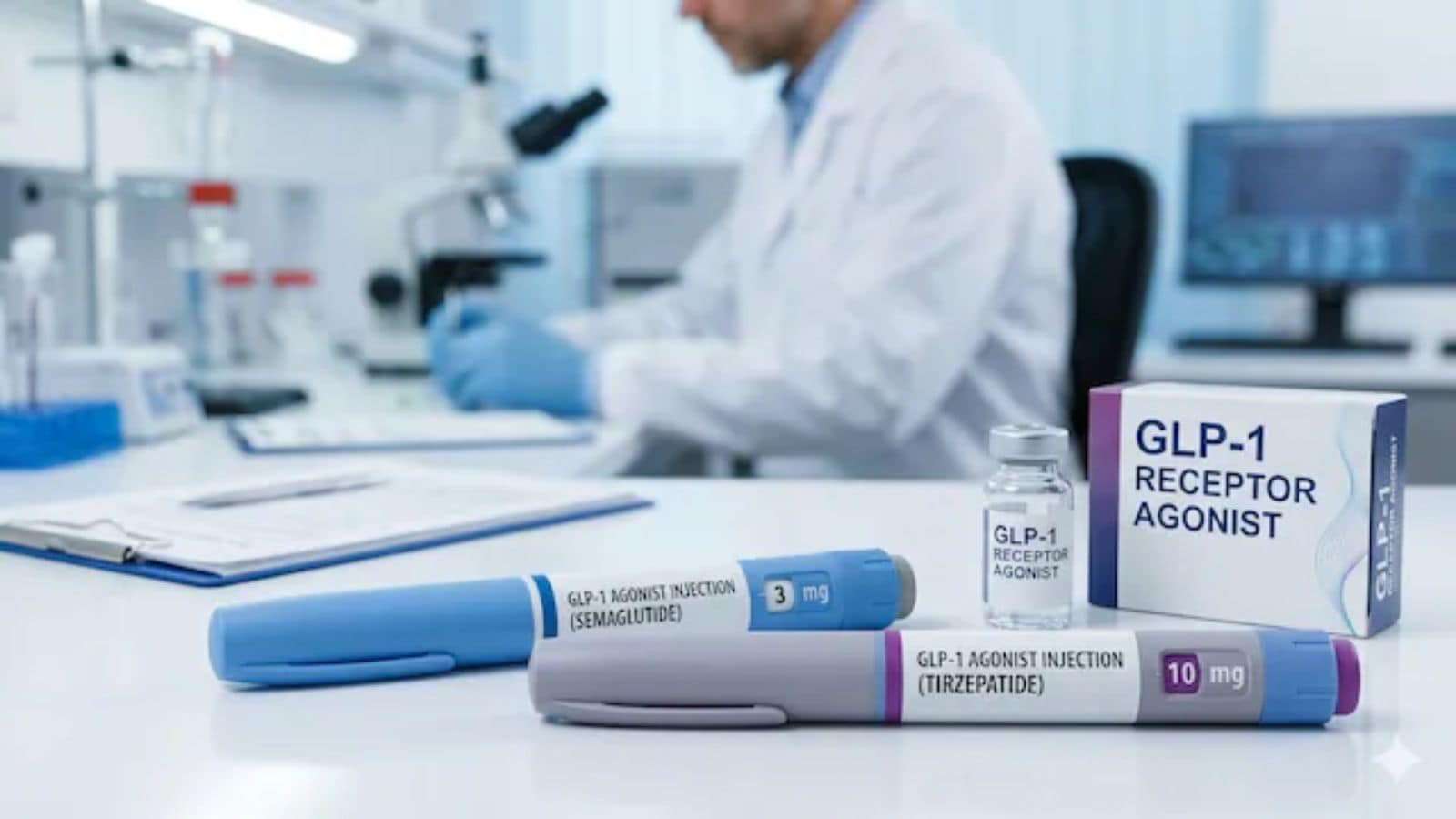
Scientists studied whether some medicines used for diabetes and weight loss might change signs of ageing in the body.
They used special tests that estimate biological age from proteins or changes in DNA.
The studies found lower age scores for people taking the medicines than for people taking a placebo.
Some results looked like a difference of two or three years, and one measure showed as much as four years.
These tests are clues about body processes, not a way to tell exactly how long someone will live.
A doctor quoted in the report said it is too soon to call the drugs anti-ageing treatments.
The medicines can also have side effects, and some weight loss may come from muscle.
The report says people should not treat these early findings as proof that the drugs make people live longer or stay healthier for longer.

Studies from Novo Nordisk and Eli Lilly found lower biological-age measurements among people taking GLP-1 drugs than among placebo groups.
Novo Nordisk analyzed blood samples from more than 10,000 people taking semaglutide or placebo using protein-based ageing clocks.
Eli Lilly studied tirzepatide using epigenetic clocks that measure chemical changes to DNA.
Reported differences were generally around two to three years, with one heart-protein clock showing up to four years.
A medical expert said these markers do not prove slower overall ageing or longer life, and noted possible side effects and muscle loss.
- Who
- Novo Nordisk and Eli Lilly conducted studies of people taking semaglutide or tirzepatide; Dr Ashish Gautam cautioned against interpreting the results as proof of anti-ageing effects.
- What
- Studies found lower biological-age measurements among people taking GLP-1 drugs than among placebo groups.
- Where
- The findings were presented at the Aging Research & Drug Discovery conference. Dr Ashish Gautam was identified with Max Super Speciality Hospital, Patparganj, New Delhi.
- When
- The findings were presented at the Aging Research & Drug Discovery conference; the article does not specify when the conference took place.
- Why
- Researchers used biological-age clocks to assess whether treatment was associated with changes in molecular measures of ageing.
Potential ageing benefit
Caution about the evidence
Meaning of lower biological-age scores
Potential ageing benefit
The company studies found lower biological-age measurements in people taking the drugs, suggesting changes consistent with slower molecular ageing.
Caution about the evidence
Dr Ashish Gautam said ageing clocks are surrogate markers and do not show that a person is actually ageing more slowly, living longer or staying healthier longer.
Calling the drugs anti-ageing treatments
Potential ageing benefit
The findings raise the possibility that GLP-1 medicines may affect biological-age measures in addition to their established uses.
Caution about the evidence
Gautam said long-term evidence linking the drugs to reduced age-related disease, preserved physical function and longer healthy life expectancy is lacking.
Weight loss and health
Potential ageing benefit
The article notes that GLP-1 medicines can produce significant weight loss and have demonstrated metabolic and cardiovascular benefits.
Caution about the evidence
Gautam cautioned that some weight loss may be lean muscle and that gastrointestinal problems, gallbladder disease and pancreatitis can occur in some patients.
Key facts
- Companies
- Novo Nordisk and Eli Lilly
- Drugs studied
- Semaglutide and tirzepatide
- Novo Nordisk study
- Blood samples from more than 10,000 people taking semaglutide or placebo
- Measurement methods
- Protein-based ageing clocks and epigenetic clocks that examine chemical changes to DNA
- Reported age-score differences
- Generally around two to three years; up to four years on one heart-protein clock
- Key limitation
- The measurements do not establish that the drugs slow overall ageing, extend life or preserve health longer
- Potential risks noted
- Gastrointestinal problems, gallbladder disease, pancreatitis in some patients, and loss of lean muscle
Quotes
Dr Ashish Gautam
Principal Director of Robotic and Laparoscopic Surgery at Max Super Speciality Hospital, Patparganj, New Delhi
“Until long-term studies show that these drugs actually reduce age-related disease, preserve physical function and improve healthy life expectancy, describing them as anti-ageing drugs is not scientifically justified.”
 NDTV
NDTV
“Preserving muscle should be a central part of any weight-management strategy.”
NDTV
Sources
Related news

A Year of Weight-Loss Drugs Raises Questions About Brides

What Happens to Heart Health After Stopping GLP-1 Medicines

Top Doctor Says GLP-1 Drugs May Transform PMOS Treatment

Obesity Drugs Advance as Medicine Debates What Obesity Means

GLP-1 Therapy Drives Demand for Convenient Protein Supplements

Novo Defends Semaglutide as Regulators Flag Rare Vision Risk

India’s Weight-Loss Drug Boom Fuels Fake Medicine Market

Eli Lilly May Launch Oral Obesity Drug Foundayo In India

Lilly CEO Sees India Playing Larger Role in Drug Innovation
