2 weeks ago
India’s Cities Face Infrastructure Crisis Amid Corruption And Neglect
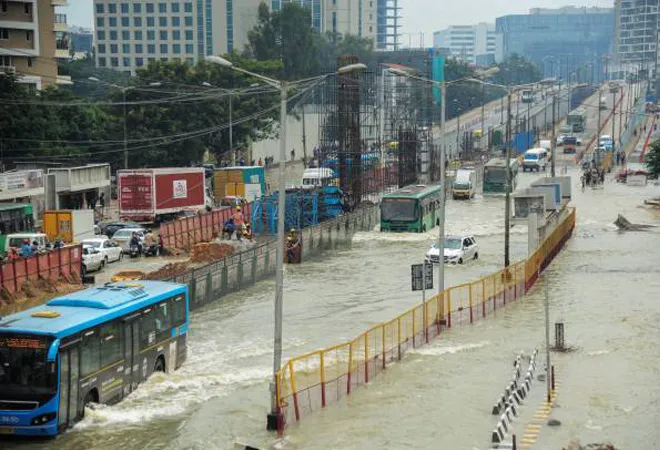
The article says many Indian cities are not providing safe and reliable basic services.
Roads, drains, water systems, buildings and waste collection often do not work properly.
A hostel building in Delhi collapsed, killing seven people and injuring others.
The article says this happened because of structural problems, unauthorised changes and failures by officials.
India has fewer city residents proportionally than China and many developed countries, but it still has a very large urban population.
Cities are expected to grow even more in the future.
The article blames corruption, poor planning, weak city governments and insufficient money.
It says technology alone cannot make a city smart unless basic services work.
It recommends better taxes, audits, public records and citizen action.

The article argues that India’s urban infrastructure is deteriorating, with unsafe roads, flooding, unreliable utilities, pollution and weak building oversight.
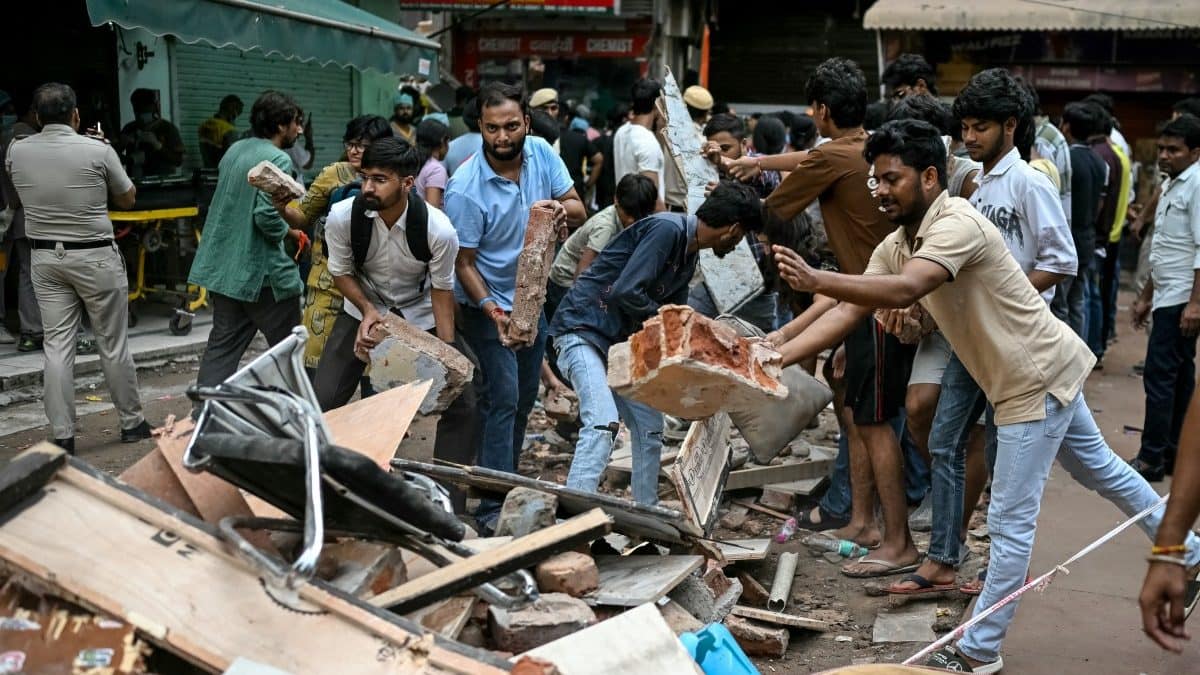
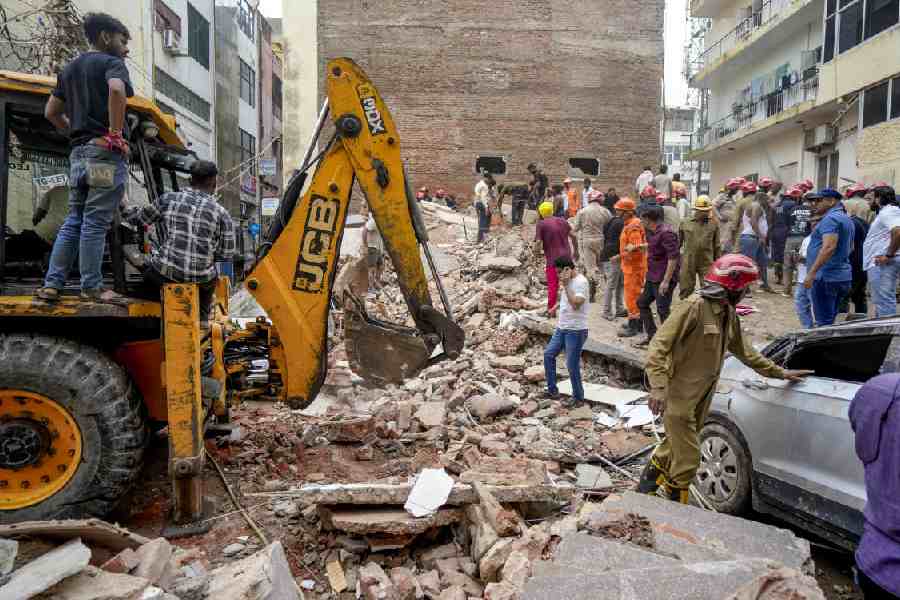
A five-storey PG hostel in Delhi’s Satya Niketan collapsed on September 6, killing seven people and injuring others.
The article says India was about 35.7% urbanised in 2025, yet already had hundreds of millions of urban residents and rapidly growing cities.
It identifies corruption, fragmented administration, policy neglect and weak municipal finances as major causes of urban dysfunction.
Proposed reforms include stronger municipal finances, modern property taxes, independent audits, public infrastructure records and online disclosure of contracts.
- Who
- India’s urban residents, municipal authorities, contractors, officials and policymakers are central to the article.
- What
- The article examines deteriorating urban infrastructure and proposes reforms to improve city governance and accountability.
- Where
- The discussion concerns cities across India, including Delhi’s Satya Niketan, with comparisons to China and several developed countries.
- When
- The article refers to the September 6 collapse of a hostel building and to urbanisation data for 2025.
- Why
- The article attributes the crisis to corruption, policy neglect, fragmented responsibilities, weak municipal finances and inadequate planning.
Key facts
- Hostel collapse
- A five-storey PG hostel in Delhi’s Satya Niketan collapsed on September 6.
- Deaths
- Seven people were killed and others were injured in the collapse.
- India’s urbanisation
- About 35.7% of India’s population lived in urban areas in 2025, according to World Bank data based on United Nations urbanisation estimates.
- China’s urbanisation
- China was described as about 66.3% urbanised.
- Main concerns
- The article cites crumbling roads, overflowing drains, flooding, pollution, unreliable power and water, potholes and unsafe buildings.
- Proposed financial reform
- Municipal corporations should have greater access to long-term infrastructure borrowing, subject to fiscal safeguards.
- Proposed accountability reform
- Municipal assets, contracts, inspections and maintenance records should be publicly documented and accessible online.
Sources
Related news
India’s Building Collapses Expose Deep Urban Safety Failures

Satya Niketan Collapse Spurs Calls for Structural Safety Audits

India’s Public Failures Expose a Crisis of Accountability

Readers Demand Preventive Action On Delhi Collapse, Trafficking
Satya Niketan PG Building Collapse Raises Questions Over Civic Oversight

Satya Niketan Collapse Exposes Delhi’s Student Housing Governance Failure

India Reaches 60 Medals at Asian Games Day 13

US Revokes 250,000 Visas as India EB-2 Stalls

US Conducts Experiment to Improve Nuclear Blast Detection

Strait of Hormuz Disruptions Highlight India’s Energy Security Vulnerabilities
Pentagon Creates Autonomous Warfare Command to Expand AI, Drones