1 hr ago
Pelacarsen Trial Failure Raises Questions About Biomarker Targets

Pelacarsen is a drug tested in a major trial.
The trial did not show the hoped-for success.
The drug was designed to affect a measurement in the blood called Lp(a).
Changing a blood measurement does not always make people live longer or become healthier.
This means a biomarker may not be the right treatment target by itself.
The people included in a study can affect its results.
The length of treatment can also matter.
Lowering Lp(a) after heart disease is already established may not undo earlier damage.

Pelacarsen failed a major clinical trial, according to the article title.
The trial highlights that biomarkers are not always reliable treatment targets.
Large improvements in laboratory measurements may not improve survival or other clinical outcomes.
Results can depend on patient characteristics and how long patients receive treatment.
Lowering Lp(a) later in established cardiovascular disease may not reverse accumulated damage.
- Who
- The article discusses pelacarsen and patients with established cardiovascular disease.
- What
- A major trial of pelacarsen failed to demonstrate the expected benefit.
- Where
- The location of the trial is not specified in the provided article.
- When
- The timing of the trial is not specified in the provided article.
- Why
- The result suggests that changing Lp(a), a laboratory biomarker, may not be enough to improve survival or other clinical outcomes in the studied setting.
Key facts
- Drug
- Pelacarsen
- Trial result
- The major trial failed.
- Biomarker
- Lp(a)
- Key lesson
- Biomarker changes do not always produce meaningful clinical benefits.
- Potential influencing factors
- Patient characteristics, treatment duration, and the timing of treatment may affect outcomes.
- Disease context
- Lowering Lp(a) later in established cardiovascular disease may not reverse accumulated damage.
Sources
Related news
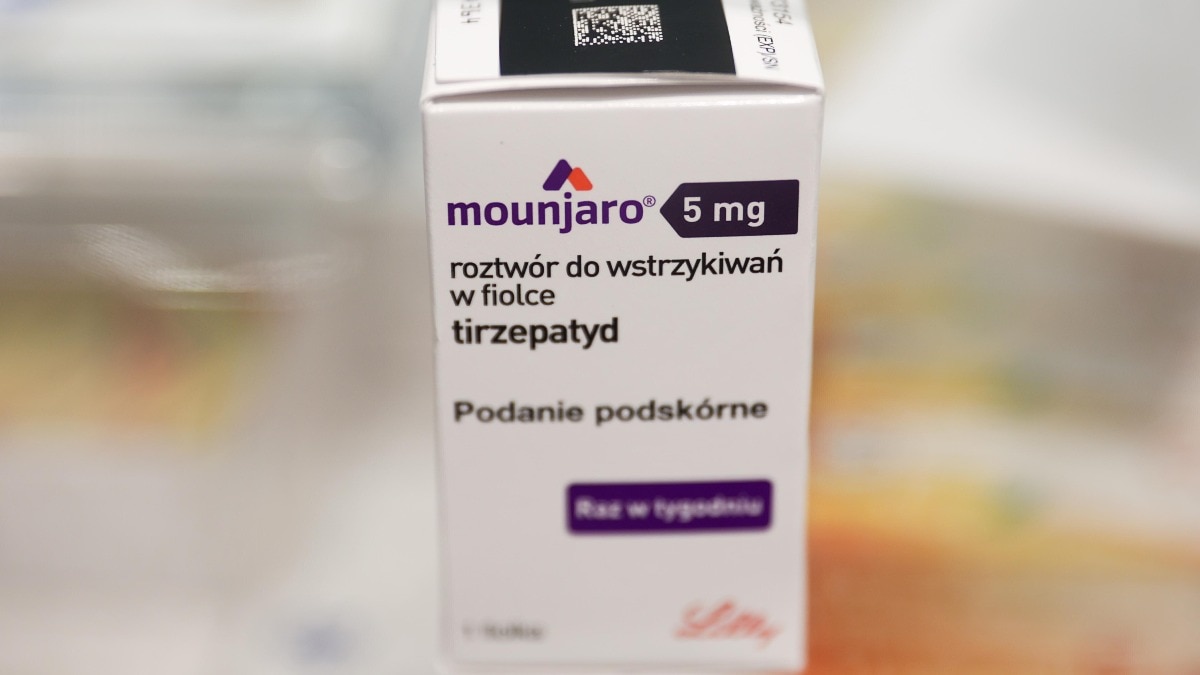
Eli Lilly’s Mounjaro Approved to Reduce Cardiovascular Risks

FDA-approved oral pill Lipfendra could change bad cholesterol treatment

One-Shot Gene Therapy Cuts Bad Cholesterol, But Risks Remain

FDA Approves Rasonque for Advanced Pancreatic Cancer Treatment

Single-Shot Gene Editing Treatment Targets Cholesterol Through PCSK9