2 hrs ago
Trump’s Latin America Outreach Balances Alliances, Security, Trade, and Risks
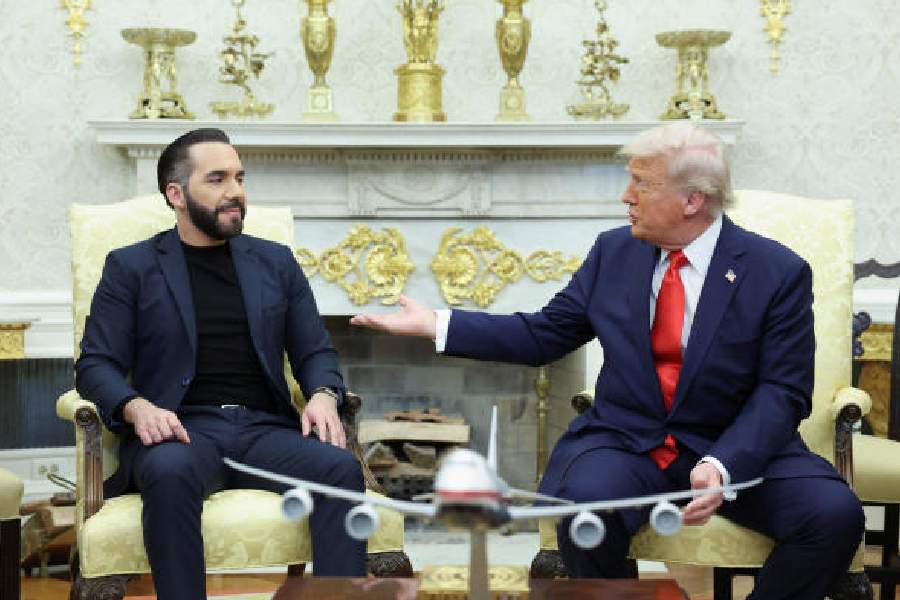
The United States is trying to build closer relationships with right-wing governments in Latin America.
President Donald Trump’s administration says these partnerships can help fight drug gangs and limit China’s influence.
Some governments support free markets, smaller government, and closer ties with the United States.
Washington has increased pressure on some left-wing governments, especially Venezuela and Cuba.
It has also supported security projects in countries such as Panama, Argentina, Guyana, and Ecuador.
However, US tariffs could make trade relationships more difficult.
Some of the supported leaders won by small margins or lack strong legislative majorities.
The article says this could create political deadlock or encourage some leaders to weaken democratic limits on their power.

The Trump administration is supporting Latin American right-wing leaders aligned with Washington.
Its goals include countering drug trafficking and reducing China’s regional economic and security influence.
US pressure has targeted Venezuela and Cuba, while Nicaragua has so far faced less pressure.
Security initiatives include Panama Canal negotiations, Argentine fighter aircraft, and cooperation against narco-trafficking.
Tariffs and narrow electoral victories could undermine US partnerships and increase risks of political gridlock or authoritarianism.
- Who
- The Donald Trump administration, Secretary of State Marco Rubio, and several Latin American governments, including those led by Nayib Bukele, Javier Milei, and Daniel Noboa.
- What
- The United States is expanding diplomatic, security, and economic outreach to right-wing Latin American leaders while pressuring some left-wing governments.
- Where
- Across Latin America, including Central America, South America, the Caribbean, the Panama Canal, and the Amazonian and Andean regions.
- When
- The strategy is described in the context of developments over the last 10 years, including decisions and elections in 2025 and January 2026.
- Why
- To combat narco-trafficking, strengthen alignment with the United States, and reduce China’s economic and security footprint.
Strategic alignment and security
Trade and democratic risks
Closer ties with right-wing governments
Strategic alignment and security
Supporters argue that partnerships with leaders such as Nayib Bukele, Javier Milei, and Daniel Noboa can improve cooperation against criminal gangs and limit China’s influence.
Trade and democratic risks
Critics warn that embracing leaders accused of weakening democratic safeguards could encourage authoritarianism and overlook narrow electoral mandates.
Tariffs and trade policy
Strategic alignment and security
The article presents tariffs as leverage for securing preferential access, investment, labor protections, environmental standards, and cooperation with US policy goals.
Trade and democratic risks
Tariffs could damage trade ties, especially when the United States has different trade balances with different Latin American countries.
US pressure on regional governments
Strategic alignment and security
Pressure on Venezuela, Cuba, and potentially Nicaragua is presented as a way to oppose dictatorships and reward governments aligned with Washington.
Trade and democratic risks
A policy based on political alignment may replace multilateral free trade with conditional access and deepen regional polarization.
Key facts
- Main US objectives
- Countering narco-trafficking and reducing China’s economic and security influence.
- Diplomatic approach
- The Trump administration has embraced right-wing leaders whom the Biden administration had distanced itself from.
- Panama Canal
- The United States is described as the canal’s largest user, accounting for 40% of its traffic and revenue.
- Argentina’s defense deal
- The United States arranged the sale of used Danish F-16 fighter aircraft to Argentina.
- Ecuador security cooperation
- A proposed reopening of a naval base in Manta failed, but defense and security cooperation continued.
- Trade pressure
- The administration imposed a 10% and then 15% global tariff, according to the article.
- Democratic concern
- El Salvador’s Nayib Bukele pushed to remove presidential term limits in 2025, according to the article.
Sources
Related news
Trump’s pressure campaign strains alliances and reshapes global ties

US Control of Venezuelan Oil Threatens China’s Billions
Lula and Trump Revive Brazil Tariff Talks Ahead of Election
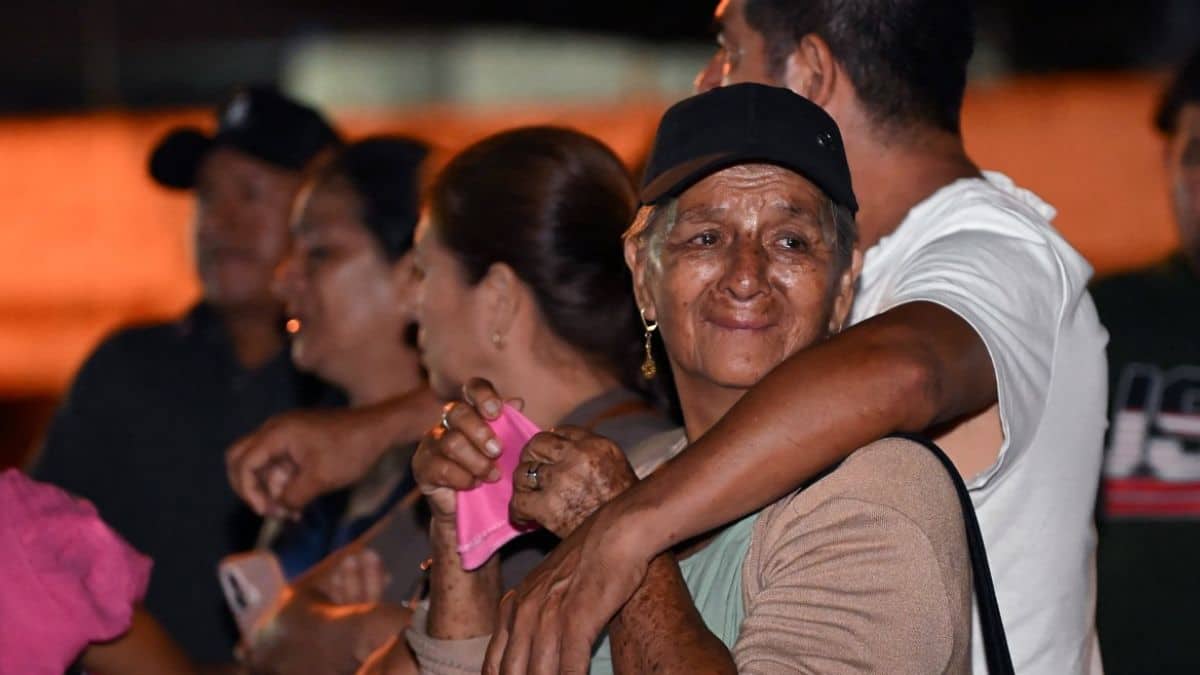
US forces sink third suspected Ecuadorian drug vessel in Pacific
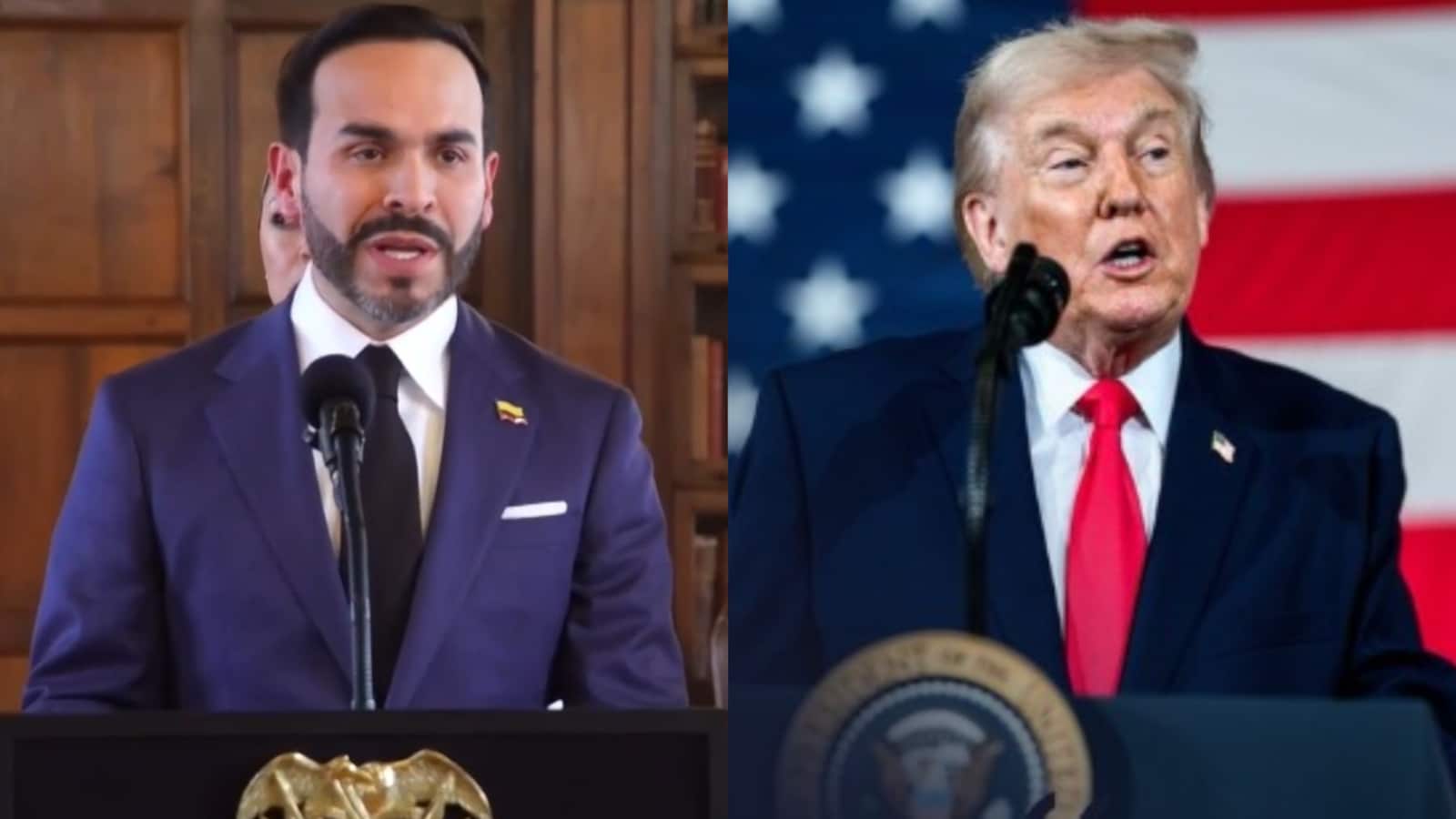
Colombia's President Asks Trump to Suspend Tariffs After Earthquake

Costa Rica Extradites Two Alleged Drug Traffickers to the US

Colombia's strongest earthquake this century kills at least 132
El Salvador opposition nominates candidates for 2027 election
Costa Rica Uncovers Plot to Kill President
Bukele Open to Extending Rule in El Salvador