

3 weeks ago
India's data centre boom shadowed by foreign-funded critical reporting
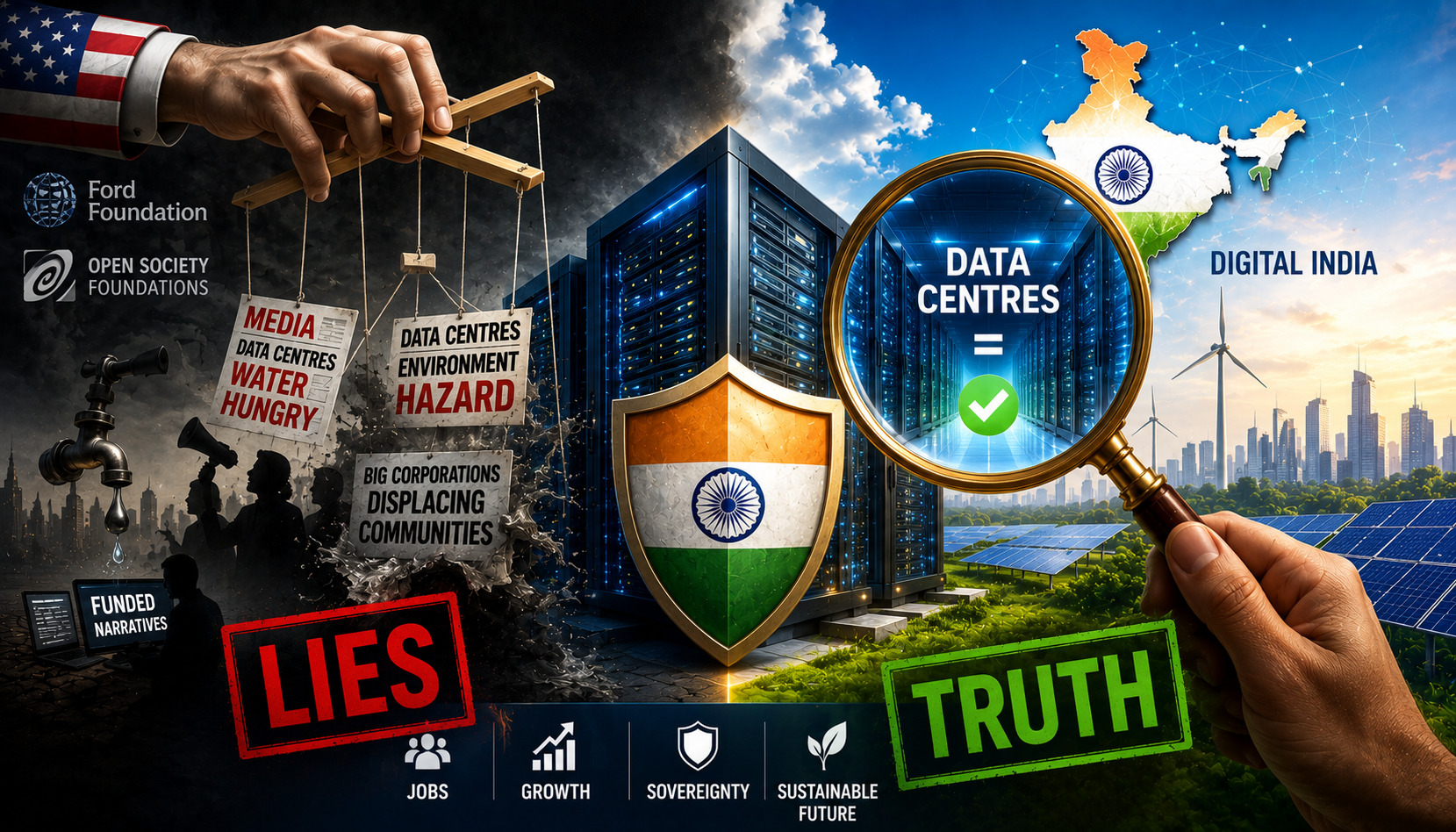
India is building many big computer buildings called data centres, where companies keep their data and run artificial intelligence systems.
These buildings need electricity and water, and they are very expensive to build.
Some news reporters write stories about problems with them, such as how much water they use.
This story says that some of those reports are paid for by rich international foundations and appear right when India is about to make big decisions about these projects.
The story says the same thing has happened before with other big Indian projects, like a copper factory, a steel mill and a port.
It is not saying the reporters are lying, and it admits some of their worries are real.
But it thinks the criticism is better organised and stronger than criticism of similar projects in other countries.
The article gives ideas for how India can respond, like sharing real facts about water use and cooling systems.
It also warns that India should not punish journalists, because that would hurt its reputation.
The big message is that India should tell a better, more truthful story about its own projects.

India's data centre capacity is projected to grow to 6.5-10 gigawatts by 2030, with an estimated investment pipeline of USD 180 billion this decade and pledged investment surpassing USD 95 billion between 2019 and 2025.
The article alleges a documented pattern in which foreign-funded reporting networks have targeted India's major infrastructure projects, including data centres, at moments of strategic investment sensitivity.
It traces the funding behind a 'Dirty Data' investigation published in late 2024 by the Environmental Reporting Collective and carried in India by Mongabay, naming the Pulitzer Center's Rainforest Journalism Fund, Ford Foundation, Open Society Foundations and Omidyar Network as backers.
The author cites earlier cases of the pattern: the Sterlite Copper plant shutdown in Thoothukudi (2018), the abandoned POSCO steel project in Odisha, the Niyamgiri bauxite campaign, and delays to the Vizhinjam deep-water port in Kerala.
The recommended counter-strategy includes a MeitY-run public data portal on water use and cooling systems, a rapid-response factual unit, formal documentation of media funding, and a proactive international narrative based on verifiable data.
- Who
- India's data centre industry and technology operators, along with journalists such as the Environmental Reporting Collective, Mongabay and the BBC, and funders including the Pulitzer Center, Ford Foundation, Open Society Foundations and Omidyar Network.
- What
- An opinion piece alleging that foreign-funded journalism has been strategically timed to undermine India's data centre and infrastructure projects, and proposing a transparency-based counter-strategy.
- Where
- India, focusing on Mumbai, Chennai, Hyderabad and Visakhapatnam, plus earlier projects in Thoothukudi, Odisha, Kerala and the Niyamgiri hills.
- When
- Published as the final article of a series on India's data centres, analysing events from 2004 through late 2025, including coverage in early 2024 and between October and December 2025.
- Why
- The author argues critical coverage has coincided with investment and budget decisions, and that India should counter it with transparent data, documentation of media funding and a proactive international narrative.
Critical coverage as a coordinated foreign-funded campaign
Genuine environmental journalism on real issues
Foreign funding of environmental reporting
Critical coverage as a coordinated foreign-funded campaign
International foundations such as the Pulitzer Center's Rainforest Journalism Fund, Ford Foundation, Open Society Foundations and Omidyar Network fund journalism that consistently criticises Indian infrastructure, shaping a structural incentive system that reliably produces campaigns of doubt and delay.
Genuine environmental journalism on real issues
Grants support legitimate environmental journalism about real harms to communities and ecosystems; funding is publicly disclosed and does not mean editorial control, and the article concedes that many reported concerns and local grievances were genuine.
Timing of critical stories
Critical coverage as a coordinated foreign-funded campaign
Investigations on data centre water scarcity appeared in narrow windows around investment and budget decisions (early 2024, November 2025, October-December 2025), suggesting timing designed to maximise uncertainty among investors.
Genuine environmental journalism on real issues
Journalists report on developments as they happen; the sites are genuinely in water-stressed areas, and the BBC's S&P Global-based projection reflects real withdrawal risk that deserves coverage regardless of investment calendars.
The right response
Critical coverage as a coordinated foreign-funded campaign
India should publish verifiable data on water and cooling, issue quick factual rebuttals, and formally document the funding behind infrastructure coverage following European transparency models, while avoiding censorship.
Genuine environmental journalism on real issues
Formally documenting media funding risks chilling independent reporting and framing journalists as foreign agents; the focus should stay on facts and disclosure rather than funders' motives.
Key facts
- Projected capacity by 2030
- 6.5-10 gigawatts
- Estimated investment pipeline
- USD 180 billion this decade
- Pledged investment (2019-2025)
- Over USD 95 billion
- Capacity growth since 2020
- Nearly tripled
- 'Dirty Data' investigation
- Published late 2024 by the Environmental Reporting Collective; India piece carried by Mongabay
- BBC/S&P Global projection
- 60-80% of future Indian facilities could be in high water stress zones (withdrawal risk)
- Case studies cited
- Sterlite Copper (2018), POSCO Odisha (2005-2017), Niyamgiri bauxite (2004-2013), Vizhinjam port (2015-2024)
- Recommended response
- MeitY public data portal on water and cooling, rapid-response factual unit, media funding transparency
Quotes
Unnamed investigative reporter
A journalist involved in the ERC’s investigations
“"The patterns of funding, timing, and objective in these investigations suggest a systematic approach to influence investor confidence and policy outcomes."”
 opindia.com
Sources
Related news

Global Data Centre Growth Faces Rising Community Opposition
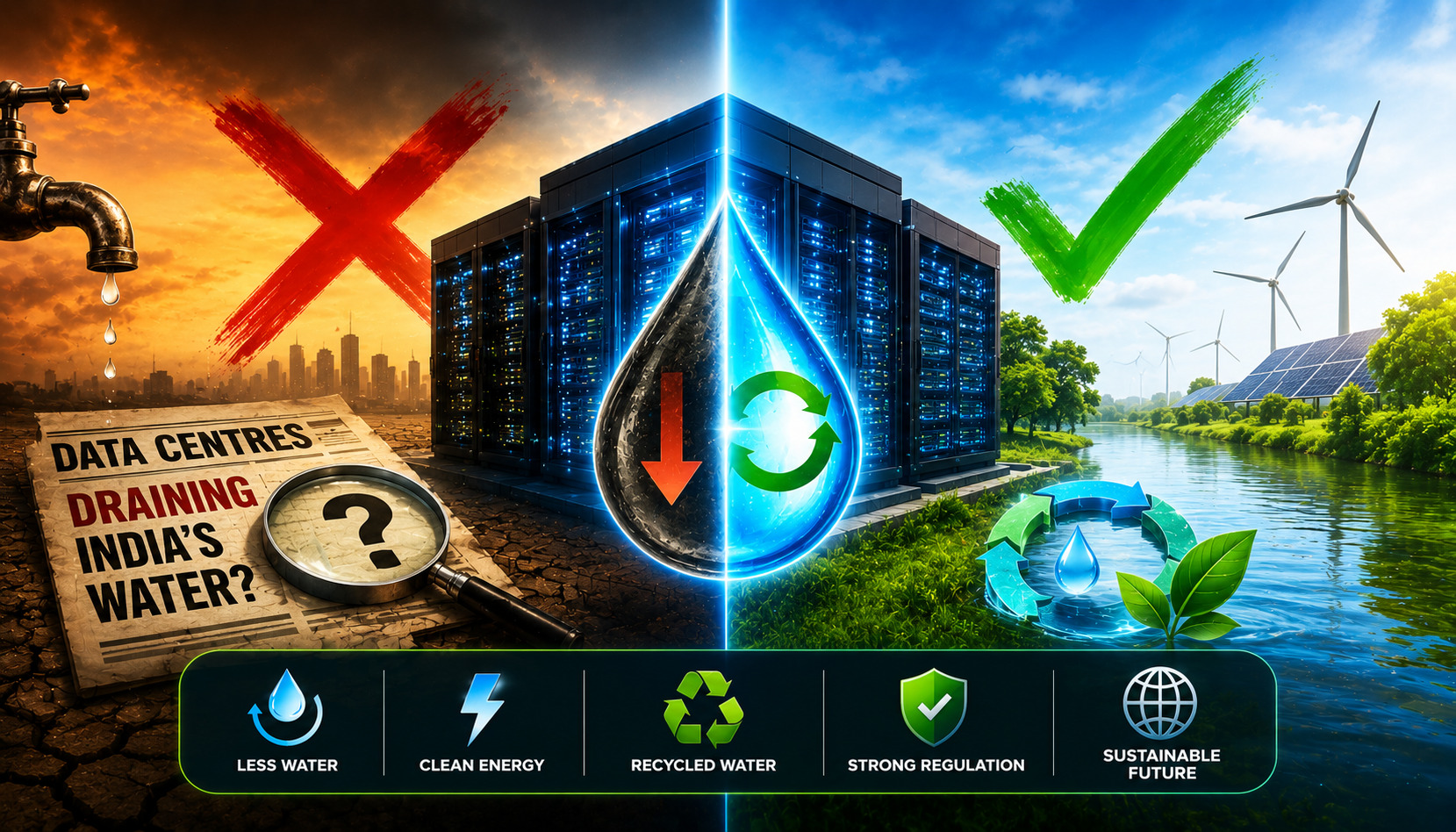
Data centres and India's water: claims versus the evidence

Odisha's Gigawatt Gamble: Adani, HCLTech Plan Massive AI Data Centres
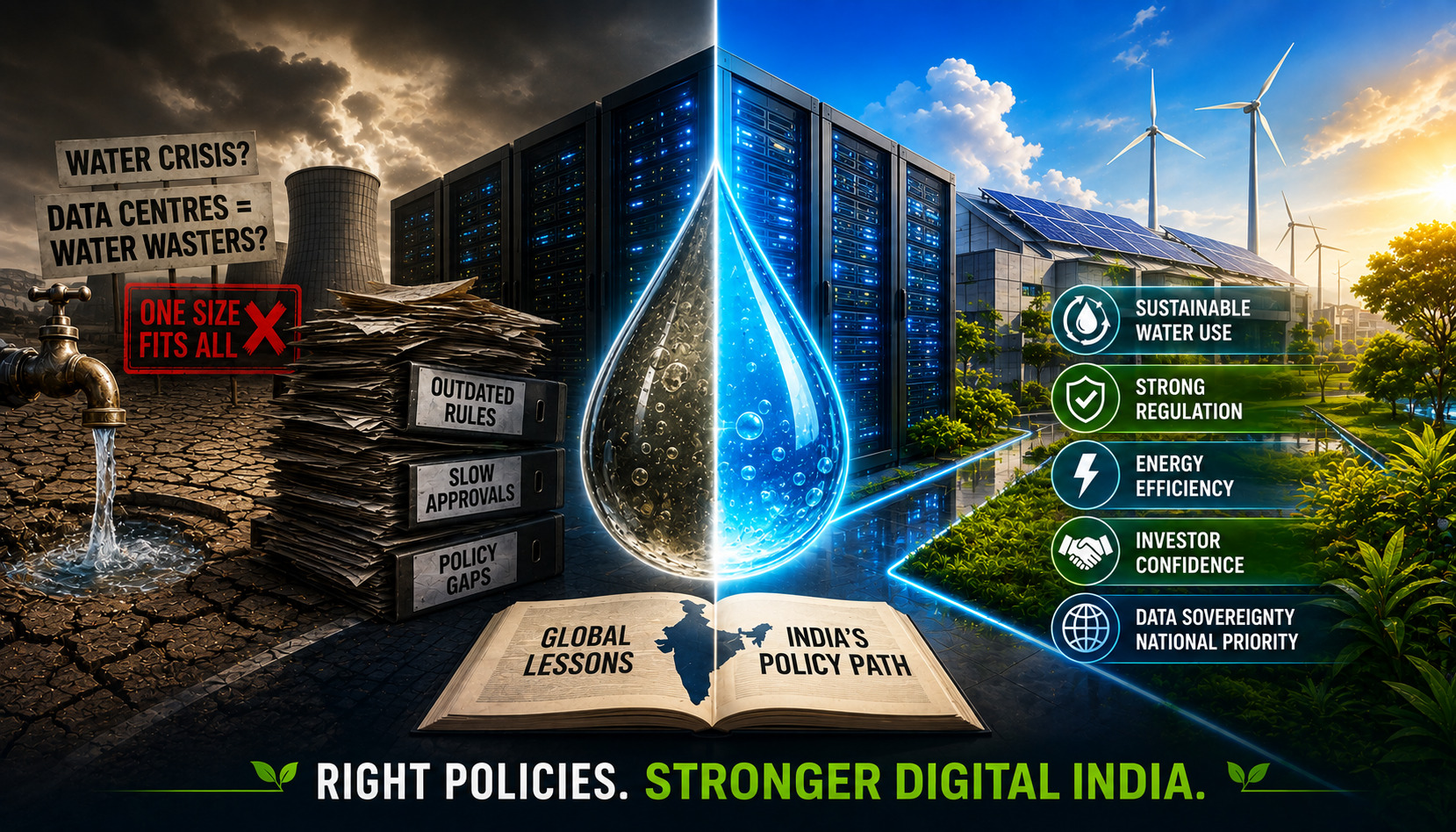
India's Data Centre Policy Push Aims to Protect Sovereign Data
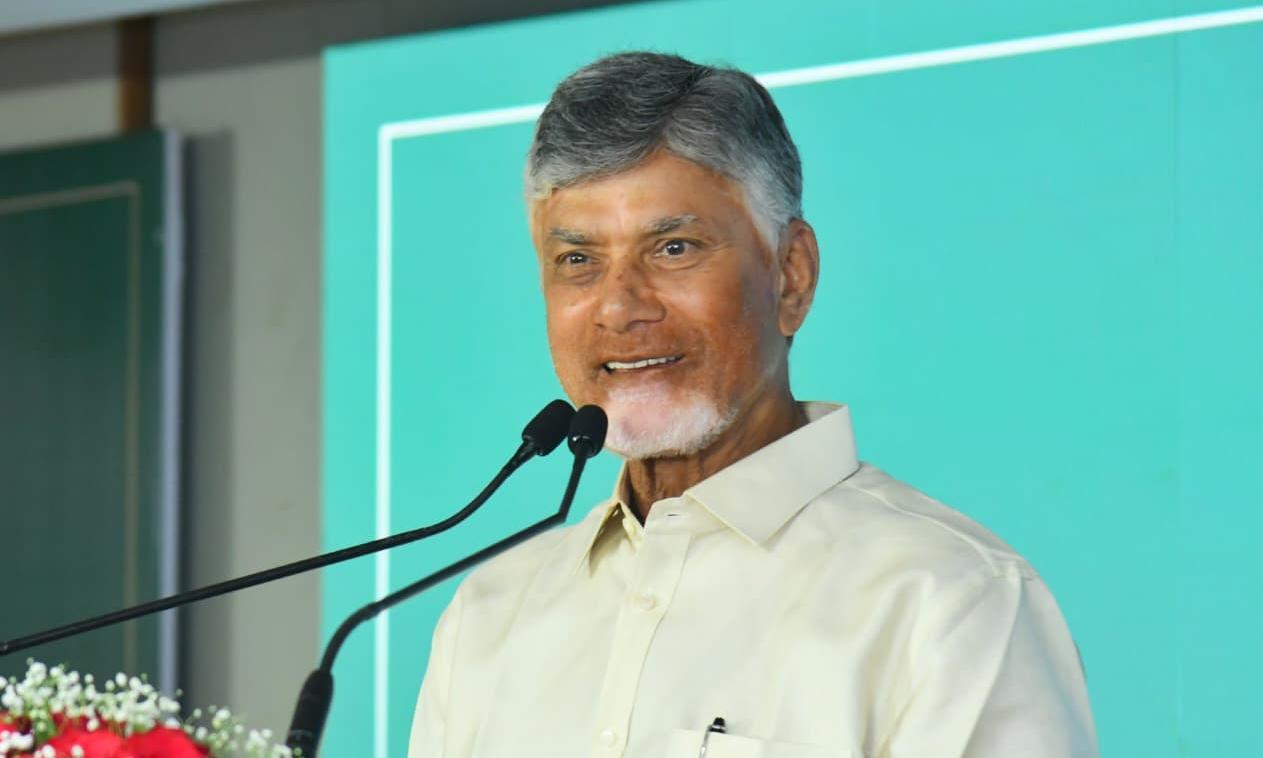
Naidu Defends Andhra Data Centres, Rebukes Misinformation and Opposition

Google's $15 Billion India Data Centre Sparks Water Crisis Fears

India weighs Moon Base invite, actor ad notices, lawmaker trials
Why India is struggling to acquire critical mineral assets abroad

AP woos investors in TN ahead of CII Partnership Summit

South Korea eyes West Bengal gateway for second investment wave
