1 hr ago
Delhi Records 98 Dengue Cases as Post-Monsoon Mosquitoes Thrive
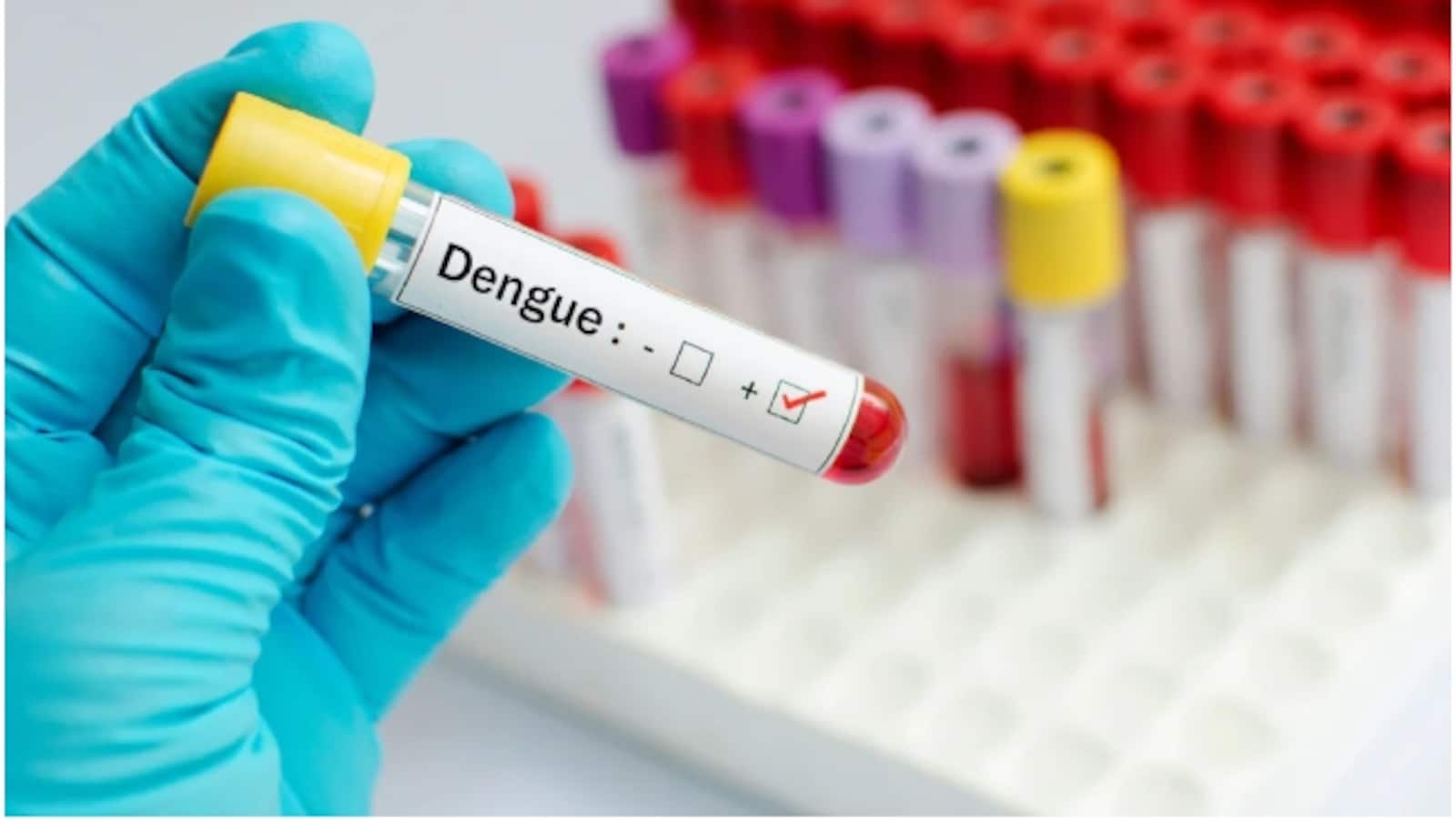
Delhi reported 98 new dengue cases in the first week of October.
That brings the total number of dengue cases reported there this year to 695.
The city also reported malaria cases, but no deaths from either disease so far in 2026.
Mosquitoes that spread dengue can breed in small pools of clean, still water.
Such water may remain after the monsoon or collect in trays in coolers and air conditioners.
Warm, humid weather can help mosquitoes grow and multiply.
The article says changing weather and late monsoons may extend the time mosquitoes can breed.
People with serious warning signs, such as persistent vomiting or trouble breathing, should seek medical care.

Delhi recorded 98 new dengue cases in the first week of October, bringing its year-to-date total to 695.
The city reported 286 dengue cases and 124 malaria cases in September, the highest monthly totals for both diseases this year.
For October so far, the report lists 23 malaria cases; the year-to-date malaria total is 266.
No dengue or malaria deaths have been reported in Delhi in 2026 so far.
The article links post-monsoon mosquito growth to stagnant clean water, humid weather and delayed monsoon departures.
- Who
- Delhi residents; the figures are from a Municipal Corporation of Delhi report.
- What
- Delhi recorded 98 fresh dengue cases in the first week of October, bringing its 2026 total to 695.
- Where
- Delhi, India.
- When
- The first week of October; the report covers the week ending October 3, 2026.
- Why
- The article attributes post-monsoon mosquito growth to stagnant clean water, humid weather and delayed monsoon departures.
Key facts
- Dengue cases in October so far
- 98
- Dengue cases year to date
- 695
- Dengue cases in September
- 286
- Malaria cases in September
- 124
- Malaria cases in October so far
- 23
- Malaria cases year to date
- 266
- Reported dengue and malaria deaths in 2026
- None
- Household visits by domestic breeding checkers
- More than 3.18 crore; breeding was detected in over 1.89 lakh households.
Sources
Related news

Dengue and Malaria Cases Nearly Triple in Delhi
Delhi Reports September Highs in Dengue and Malaria Cases
West Bengal Dengue Cases Double As Monsoon Raises Health Concerns
West Bengal Reports More Than 4,500 Dengue Cases This Year
Bangladesh Dengue Outbreak Intensifies as Hospitals Face Record Daily Admissions
Delhi High Court Declares Nehru Place No-Vending Zone

Delhi Reviews Preparations for Durga Puja Celebrations
CIC Urges MCD to Publicize List of Dangerous Buildings
MCD Begins Nearly ₹70 Crore Student Aid Disbursal