2 hrs ago
Delhi limits voter objections to prevent bulk Form 7 filings
Delhi has set limits on how many Form-7 objections one voter can file.
Form 7 is used to object to a proposed addition to an electoral roll or to request that a name be removed.
A voter can file up to 10 forms during the claims-and-objections period.
During ongoing updates to the rolls, the limit is five forms per month.
Officials say the limits are intended to discourage bulk objections and reduce inconvenience and extra work.
An Electoral Registration Officer can take action if an objection is found to be knowingly false or fabricated.
Recognised political parties’ Booth Level Agents have different daily limits during the SIR period.
An objection must be filed by someone whose name is already on that constituency’s electoral roll.

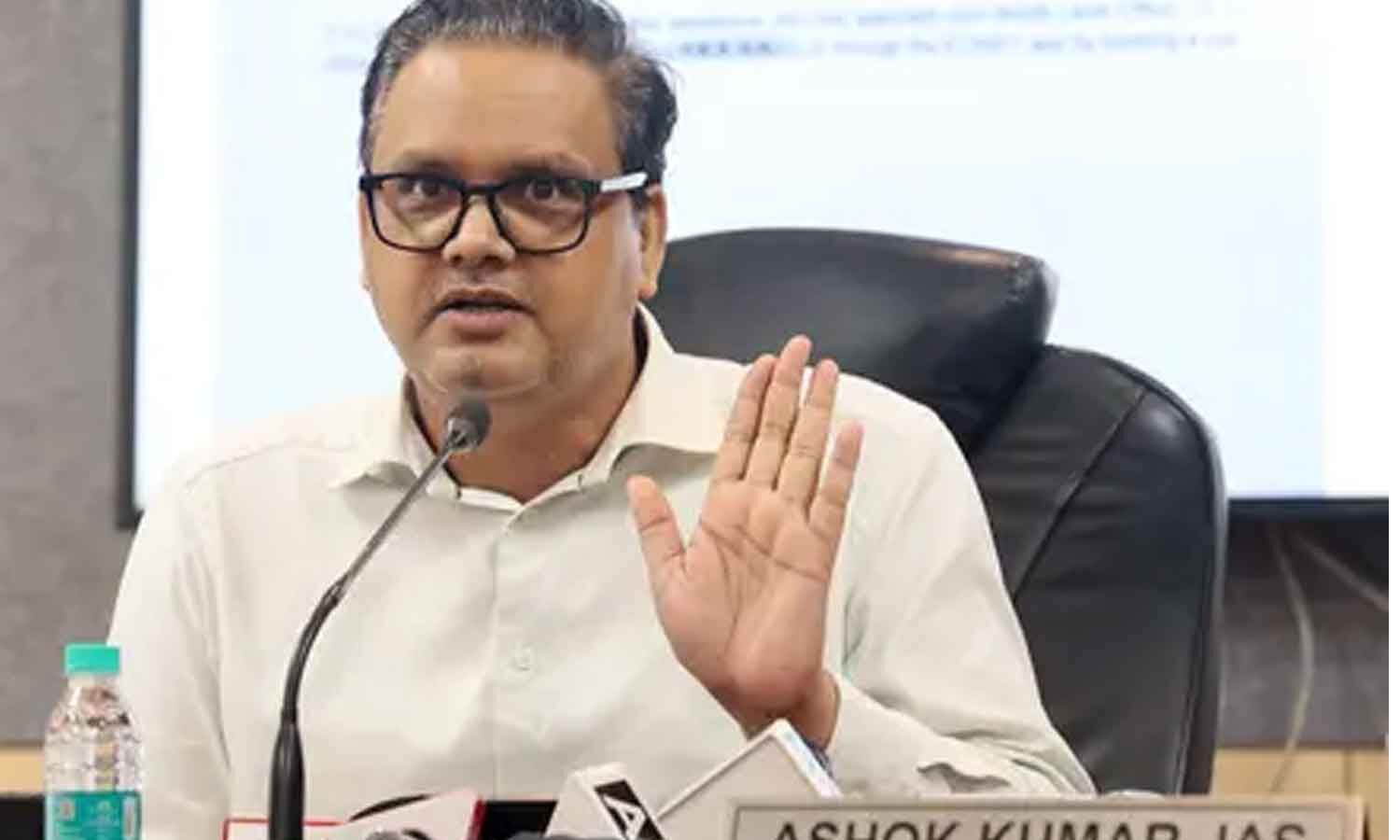
Delhi Chief Electoral Officer Ashok Kumar set limits on individual voters’ Form-7 applications.
During claims and objections, an individual voter may file no more than 10 applications.
During continuous electoral-roll updates, the limit is five applications per voter per month.
Electoral Registration Officers may take legal action if they find a complaint knowingly false or fabricated.
Recognised political-party Booth Level Agents may file bulk applications during the SIR period, within separate daily limits.
- Who
- Delhi Chief Electoral Officer Ashok Kumar announced limits for individual voters filing Form-7 applications.
- What
- Individual voters may file up to 10 applications during claims and objections, and up to five per month during continuous electoral-roll updates.
- Where
- Delhi.
- When
- The announcement was made on Friday; no date was specified.
- Why
- The limits are intended to discourage bulk objections, reduce inconvenience to voters whose names are challenged, and ease the workload of field-level officials.
Key facts
- Claims-and-objections limit
- A maximum of 10 Form-7 applications per individual voter over the entire period.
- Continuous-updation limit
- A maximum of five Form-7 applications per individual voter per month.
- Who may object
- An objector must already be listed on the electoral roll of the constituency concerned.
- False complaints
- An Electoral Registration Officer may proceed against an applicant who knowingly makes a false written statement or declaration under Section 31 of the Representation of the People Act, 1950.
- Bulk filing by Booth Level Agents
- During the SIR period, recognised-party Booth Level Agents may submit up to 50 forms per day before draft publication and 10 per day afterward.
- Cross-verification
- The Electoral Registration Officer must personally cross-verify when the same person is the objector in more than five cases.
Quotes
Delhi Chief Electoral Officer’s office
The office of Delhi’s Chief Electoral Officer, reporting the Commission’s direction on false Form-7 complaints.
“It may also be ensured that in case the Electoral Registration Officer (ERO) finds that the complaint is false/fabricated, he shall proceed to take action against the applicant who has knowingly made false statement or declaration in writing in the Form-7 as per the provisions of Section 31 of the Representation of the People Act, 1950.”
 thehansindia.com
Sources
Related news

After Form 7 Row, Election Commission Caps Individual Filings
Telangana Officials Move Against Disputed Bulk Form-7 Applications

Karnataka CEO Orders Inquiry Into False Bulk Form-7 Filings

Telangana CEO Orders Action Over False Voter Applications
BLOs Hesitate to Accept Form-7 Applications Amid Misuse Allegations
Karnataka, Delhi Voter Roll Revision Raises Bulk Deletion Concerns
Villagers Hold Police Team During Attempt to Detain Protester

Rahul Gandhi Accuses Modi of Silencing Voices at Chennai Event
Delhi Adds Bus Marshals and Women’s Safety Measures
Ujjain SIR Protest Enters Fifth Day as Rail Disruptions Hit Passengers