2 hrs ago
Karachi's Foul Fishy Smell Linked to Algae, Weather Conditions
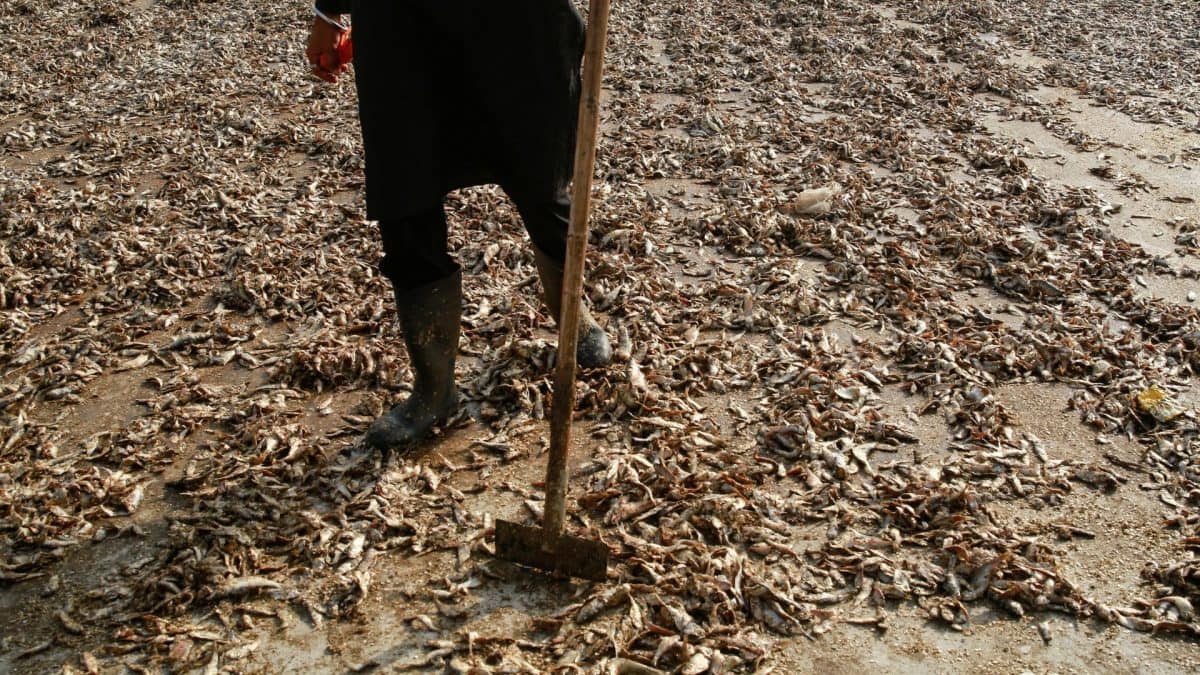
Karachi had a strong fishy smell in the air on September 16.
Experts said tiny plants in the sea, called phytoplankton, were breaking down.
These tiny organisms often increase during the monsoon season.
When the monsoon ends, changing sea conditions can make them decay and smell bad.
Winds and smog may have carried the smell across the city.
A low-pressure system near Jamnagar in India was also mentioned as a possible factor.
Experts said this has happened in Karachi before.
The smell was reported in several parts of the city in 2024.
One ecologist said there was no concrete evidence that the smell was dangerous, though it might affect sinusitis with continued exposure.

Karachi residents reported a foul, fishy smell on September 16.
Experts attributed the odour partly to decomposing microscopic marine algae called phytoplankton.
Phytoplankton increase during the monsoon and begin decaying as sea conditions change in mid-September.
Experts also linked the smell’s spread and intensity to winds, smog, air pollution and a low-pressure system near Jamnagar, India.
A similar smell affected Karachi in 2024, and experts said it may disappear within a few days.
- Who
- Karachi residents, marine experts, meteorological officials and environmental specialists.
- What
- A widespread foul, fishy odour was reported in Karachi and was attributed to decaying phytoplankton combined with weather and smog.
- Where
- Across Karachi, including coastal and several inland neighborhoods; the suspected marine source was along the coast.
- When
- The smell was reported on September 16; a similar incident occurred in October 2024.
- Why
- Phytoplankton were decomposing after the monsoon, while winds, smog, air pollution and a nearby low-pressure system helped spread the odour.
Marine Decay Explanation
Weather and Pollution Explanation
Primary cause of the odour
Marine Decay Explanation
Muhammad Moazzam Khan said decomposing phytoplankton in the sea were a major cause of the pungent smell.
Weather and Pollution Explanation
Pakistan Meteorological Department spokesperson Anjum Nazir Zaigham and climate expert Fatima Yamin said weather conditions were also important in determining the smell’s scale and spread.
Role of atmospheric conditions
Marine Decay Explanation
The algae’s natural decomposition after the monsoon was presented as the underlying marine process.
Weather and Pollution Explanation
Experts pointed to south-easterly winds, smog, air pollution and a low-pressure system near Jamnagar as factors circulating the odour through Karachi.
Key facts
- Reported date
- September 16
- Main suspected source
- Decomposing microscopic marine algae, or phytoplankton
- Seasonal context
- Phytoplankton rise during the monsoon and decay as conditions change around mid-September
- Weather factors
- South-easterly winds, smog and a low-pressure system near Jamnagar, India
- Earlier occurrence
- A similar odour was reported across Karachi in October 2024
- Expected duration
- Experts said the smell may dissipate within a few days
- Health assessment
- An ecologist said there was no concrete evidence of danger, but continued exposure might affect sinusitis
Sources
Related news
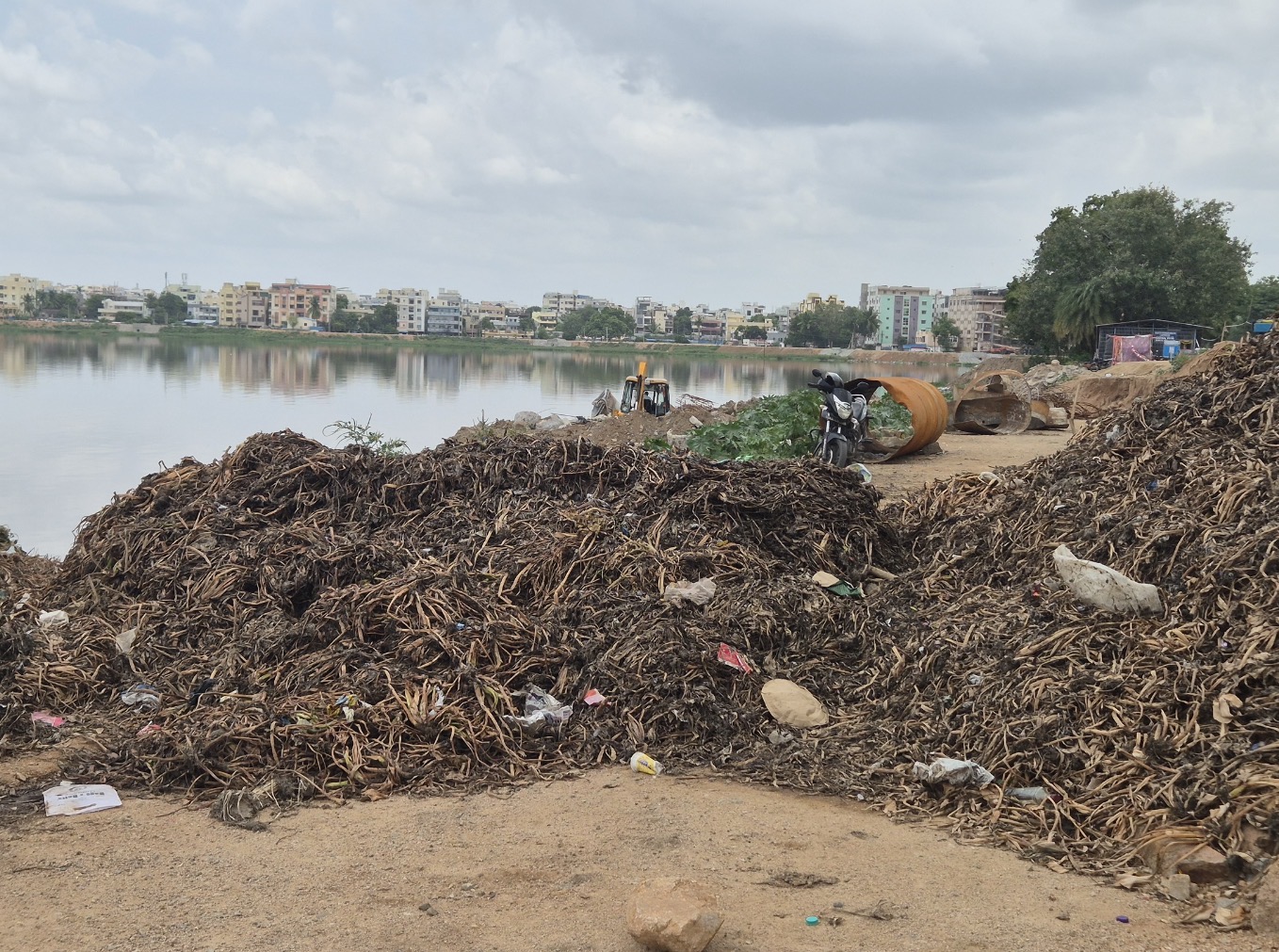
Mosquito Complaints Grow as Saroornagar Hyacinth Awaits Removal

Massive Mosquito Swarm Over Hyderabad Sparks Health Concerns
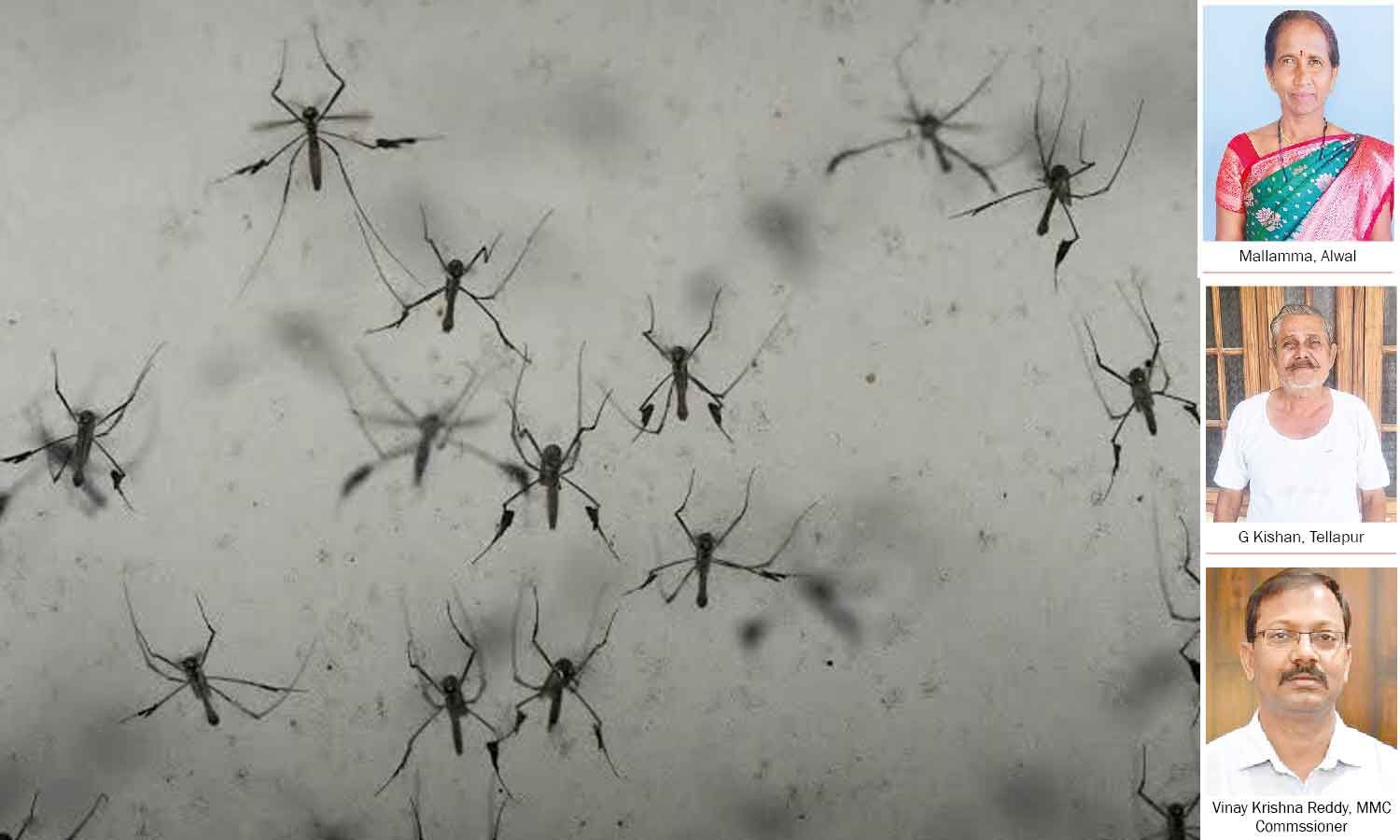
Monsoon Mosquito Menace Raises Dengue Fears Across Hyderabad Suburbs
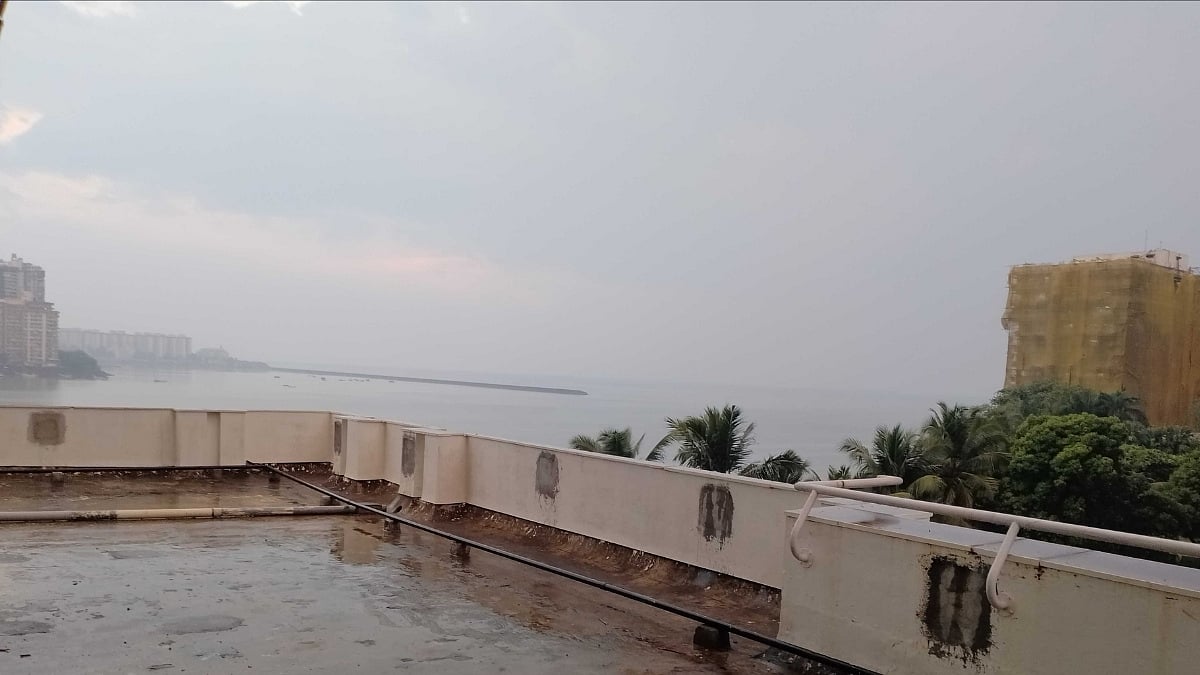
Mumbai Forecast: Gusty Winds, Light Rain, Yellow Alert September 12-13
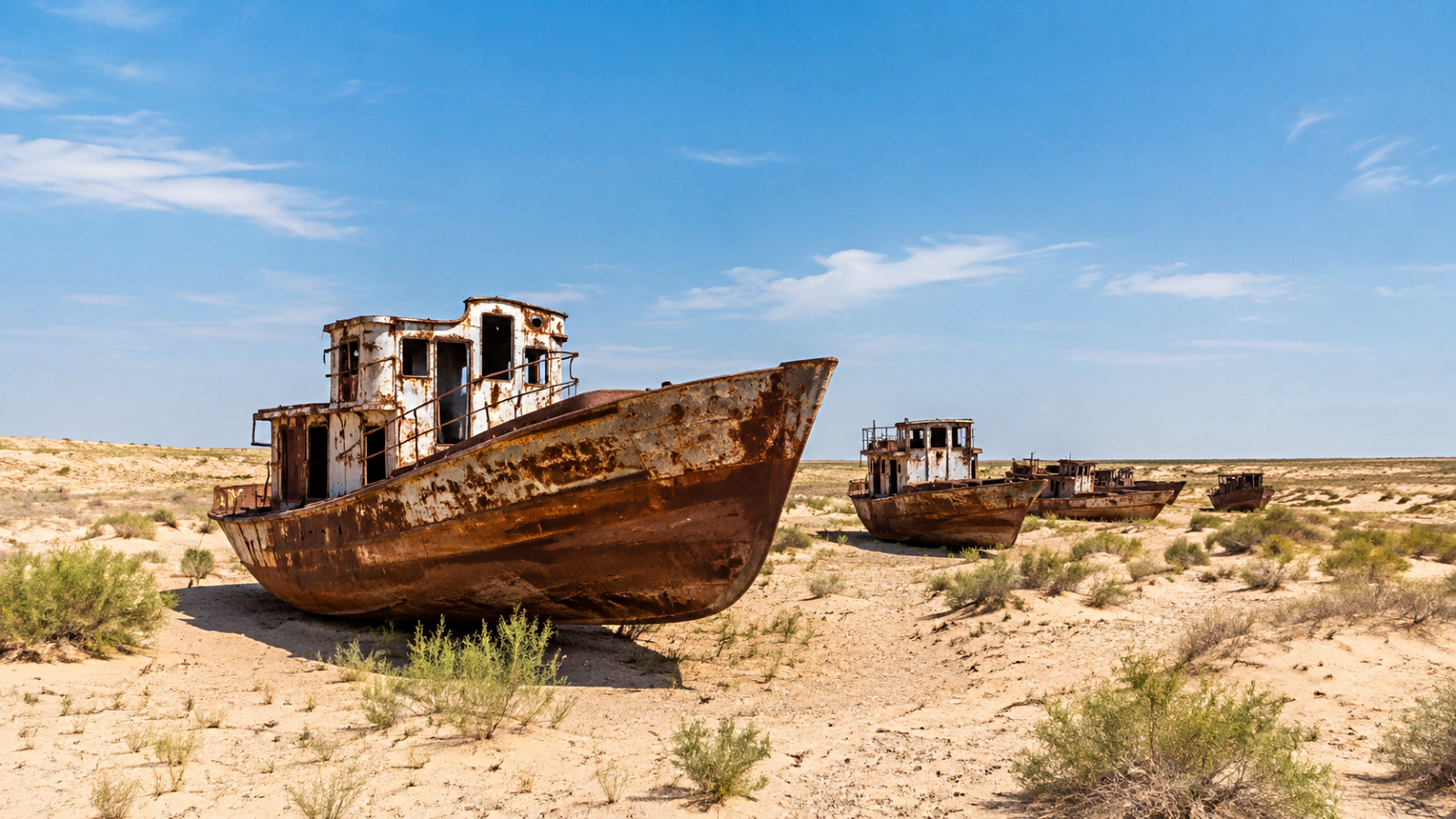
Moynaq’s Vanished Sea Becomes an Unusual Tourist Attraction

Mumbai Civic Body Unanimously Seeks Coastal Committee Against Pollution

Hearing-Impaired Student Overcomes Setbacks to Pursue Medical Dream

Migrant Worker Found Dead Inside Ahmedabad Police Station

Gujarat’s Ganeshotsav Celebrations Honor Workers, Promote Organ Donation and Tradition
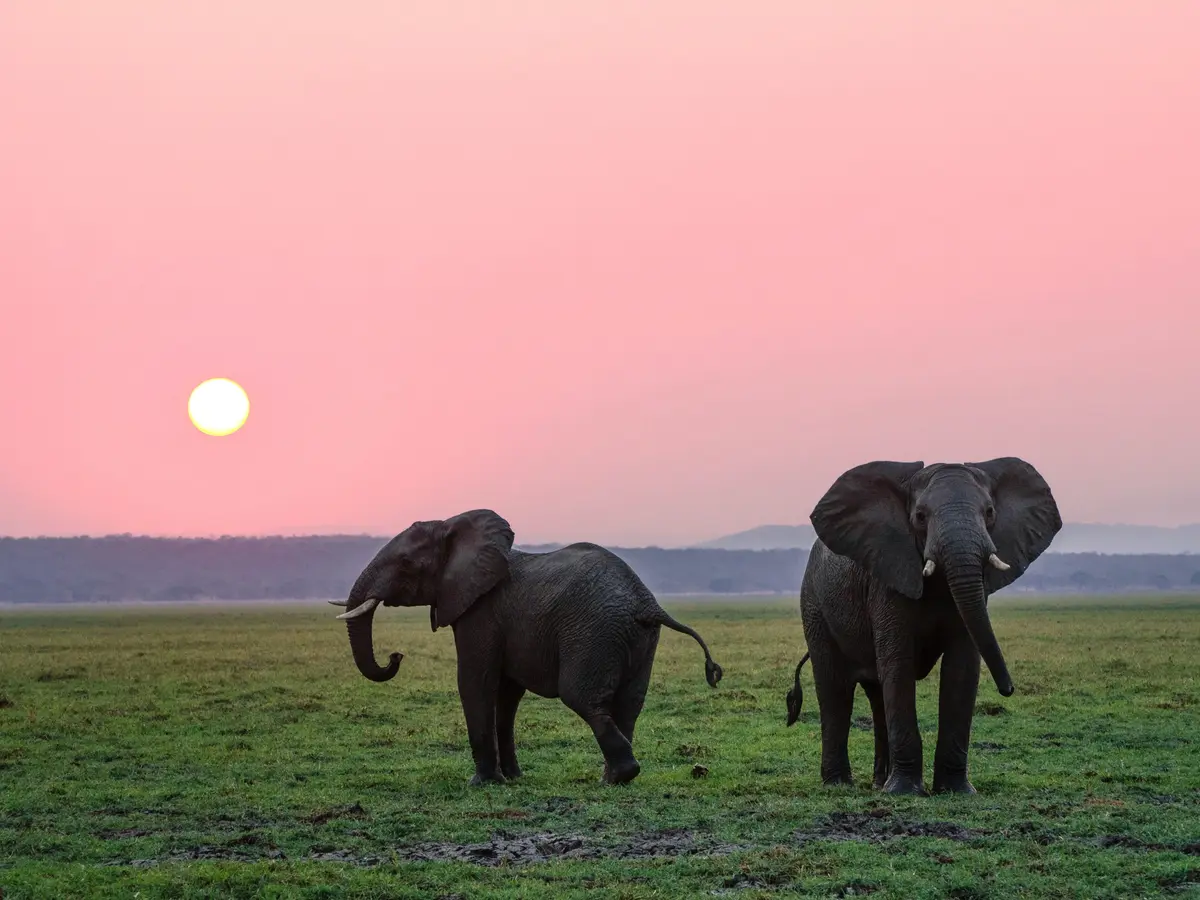
Madhuri the Elephant Returns After Rehabilitation in Maharashtra