

2 hrs ago
Hurricane Polo Reaches Category 5 as El Niño Intensifies
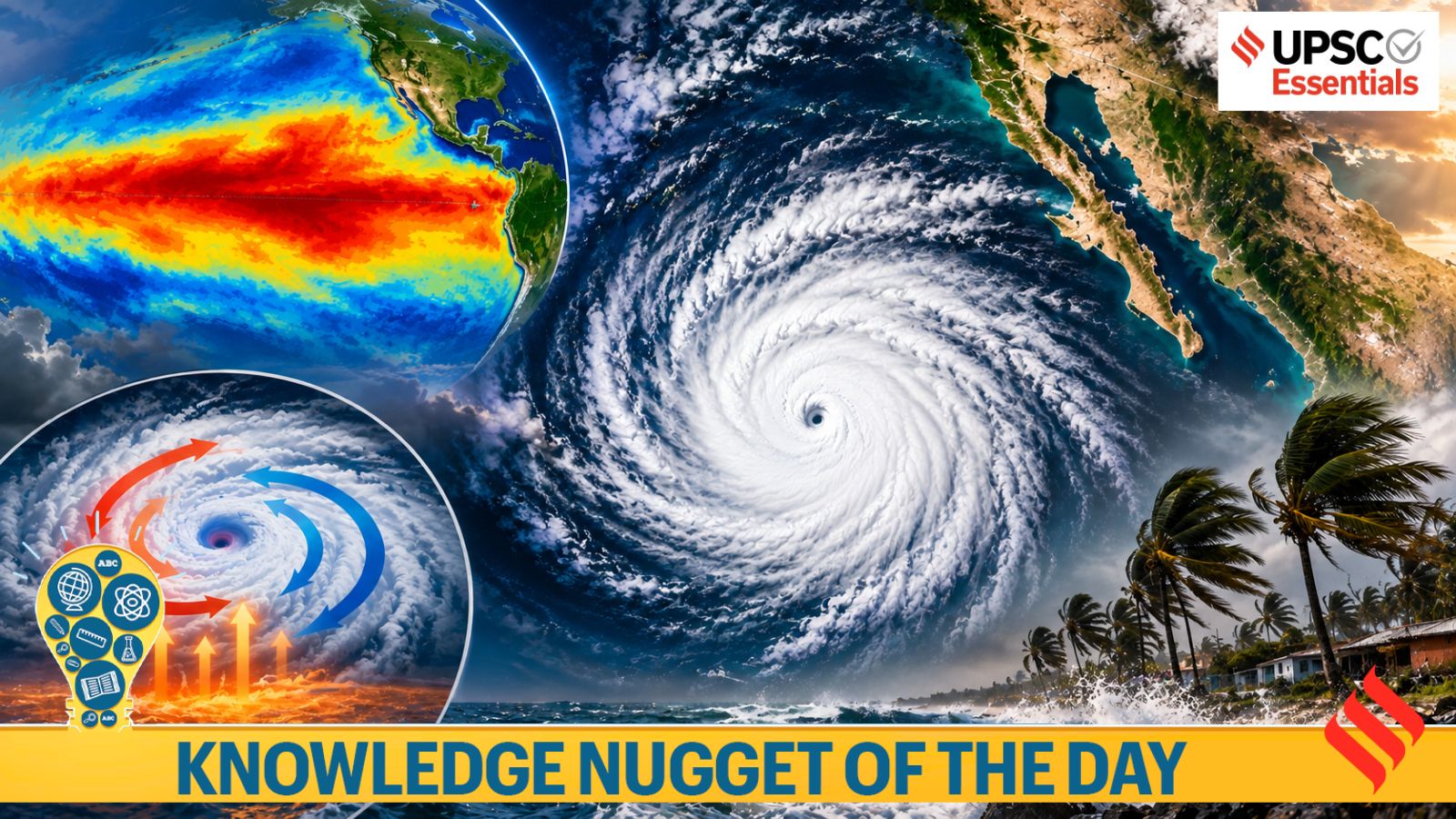
Hurricane Polo is a very powerful tropical storm near Mexico.
It became a Category 5 storm after its winds grew extremely quickly.
Warm ocean water gives tropical cyclones energy.
A climate pattern called El Niño may have helped Polo strengthen.
El Niño changes ocean temperatures and winds in different parts of the world.
Scientists say it probably was not the only reason Polo became so strong.
El Niño may also make Atlantic hurricanes less likely by increasing wind shear there.
It can affect rainfall, temperatures, drought, farming, and water supplies.
When a cyclone reaches land, it usually weakens because it loses ocean moisture and encounters more friction.

Hurricane Polo intensified into a Category 5 storm off Mexico’s southwestern Pacific coast.
Its winds increased by about 90 knots in 24 hours, prompting the National Hurricane Center to call the intensification “truly remarkable.”
Scientists are examining whether unusually strong El Niño conditions helped create favorable ocean and wind patterns.
Experts caution that El Niño is not the sole cause of Polo, since tropical cyclones depend on multiple atmospheric and oceanic factors.
The storm’s development is being watched alongside a record-slow Atlantic hurricane season and possible global effects on rainfall, heat, drought, and food security.
- Who
- Hurricane Polo, scientists, the National Hurricane Center, and the World Meteorological Organization are central to the report.
- What
- Polo rapidly intensified into a Category 5 hurricane, prompting analysis of tropical cyclones and El Niño’s possible influence.
- Where
- Polo strengthened off Mexico’s southwestern Pacific coast; the related El Niño impacts may extend across the Pacific, Atlantic, India, and other regions.
- When
- Polo’s winds rose by about 90 knots over 24 hours; the reported El Niño is expected to persist through February 2027.
- Why
- Warm Pacific waters and favorable wind patterns may have supported Polo’s rapid intensification, although several oceanic and atmospheric conditions were involved.
El Niño as a major influence
Multiple factors behind Polo
Cause of rapid intensification
El Niño as a major influence
Philip Klotzbach said El Niño created favorable conditions through warmer Pacific waters and wind patterns that supplied ingredients for a powerful storm.
Multiple factors behind Polo
The report cautions that El Niño should not be treated as Polo’s sole cause because tropical cyclones depend on multiple oceanic and atmospheric conditions.
Meaning of a strong El Niño
El Niño as a major influence
A very strong El Niño can substantially alter rainfall and temperature patterns and increase the likelihood of extreme weather in many regions.
Multiple factors behind Polo
The World Meteorological Organization says El Niño’s strength alone cannot determine the severity of effects in any particular country because other climate drivers can modify its impact.
Regional hurricane activity
El Niño as a major influence
El Niño may help explain favorable conditions for Polo in the Pacific.
Multiple factors behind Polo
El Niño can increase wind shear over the Atlantic, making it harder for Atlantic tropical systems to strengthen; the Atlantic season had a record-slow start in the report.
Key facts
- Storm intensity
- Hurricane Polo reached Category 5 strength.
- Rapid intensification
- Its winds increased by about 90 knots in 24 hours.
- Location
- The storm was off Mexico’s southwestern Pacific coast.
- El Niño outlook
- The World Meteorological Organization reported an almost 100% likelihood that El Niño would persist through February 2027.
- Atlantic season
- No Atlantic hurricane had formed by the reported Tuesday, described as the slowest start to an Atlantic hurricane season on record.
- Tropical cyclone energy
- Tropical cyclones draw much of their energy from latent heat released when water vapor from warm oceans condenses.
- Landfall
- A cyclone makes landfall when its center or eye moves over the coast; it generally weakens over land.
Sources
Related news
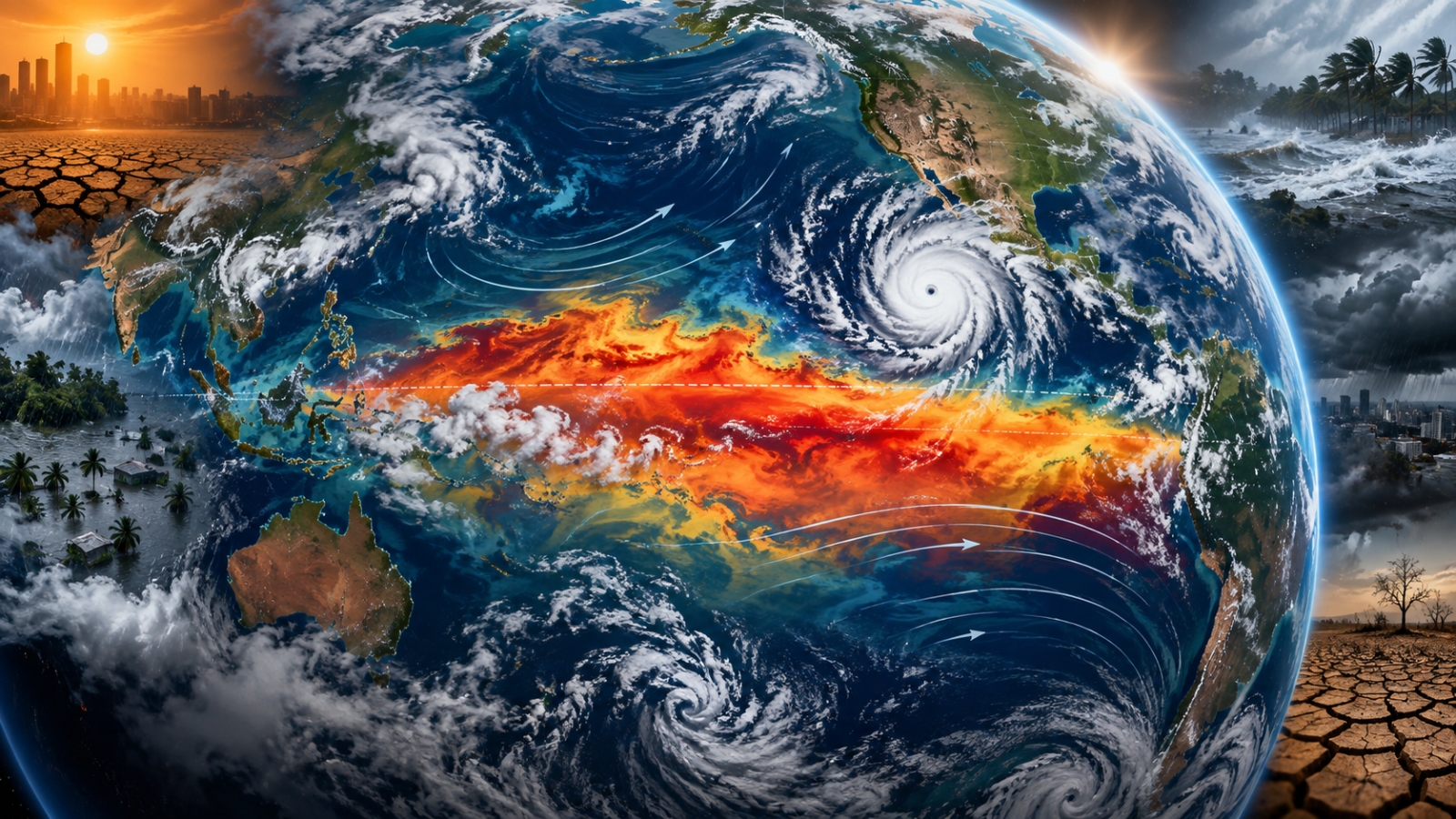
Hurricane Polo Reaches Category 5 Amid Powerful El Niño
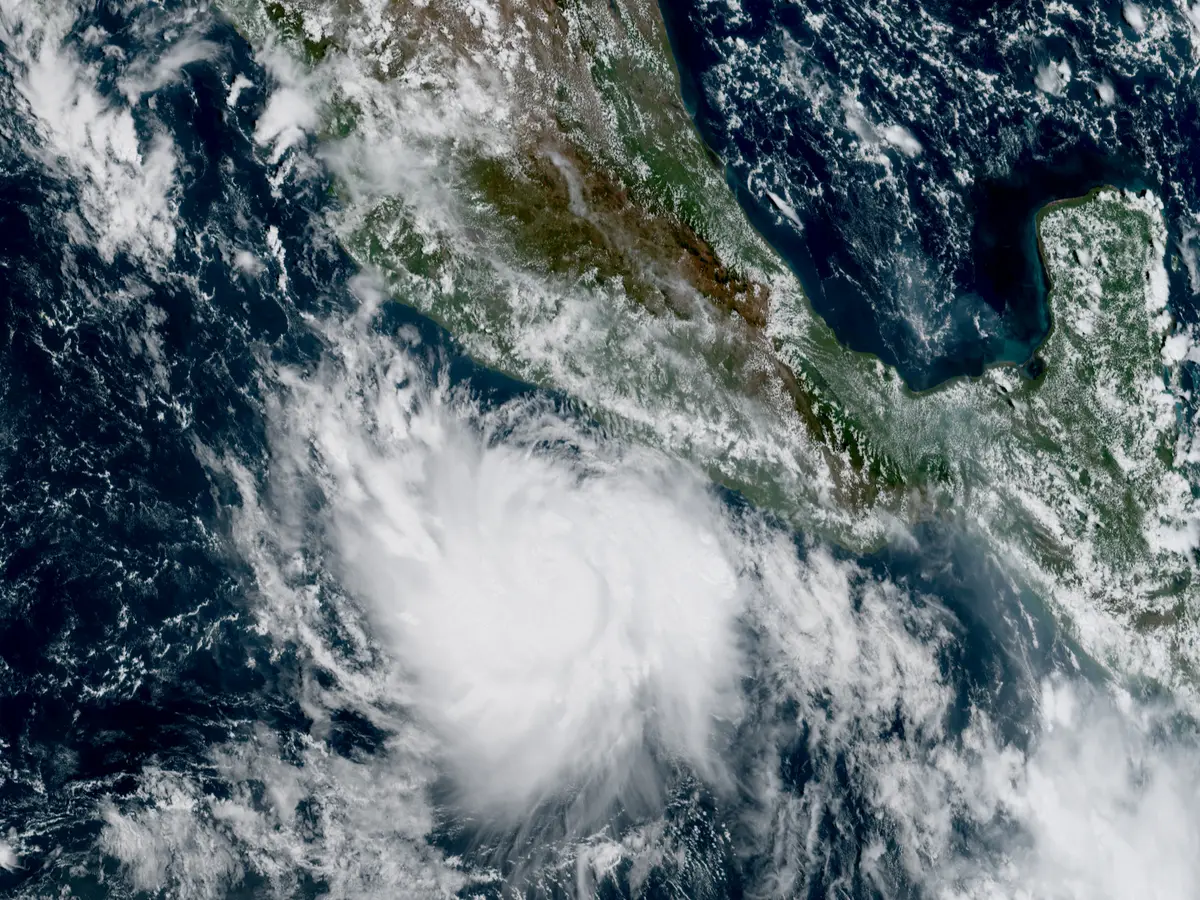
Hurricane Polo Becomes Pacific’s Strongest Category 5 Storm Overnight

Hurricane Polo Becomes Category 5 Storm Off Mexico

Hurricane Watch Issued for Hawaii’s Big Island as Nolo Strengthens
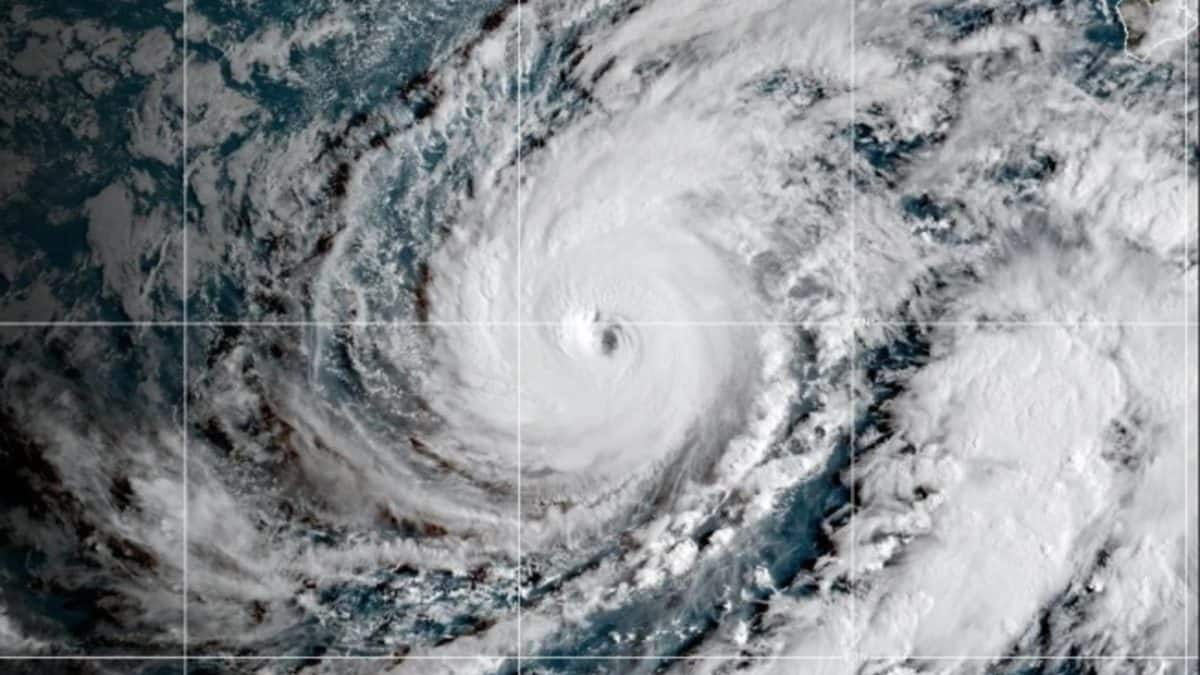
Hawaii Declares Emergency as Hurricane Lowell Approaches Islands
Powerful El Niño May Become Strongest on Record
