7 months ago
West Bengal Develops Four New Rice Varieties

The West Bengal government has created four new types of rice that can grow well in different weather conditions.
Three of these, called Subhashini, Lachhmanti, and Musafir, are for areas that often don't get enough rain, like West Medinipur, Purulia, and Bankura.
These can produce a lot of rice, about 52 to 55 quintals per hectare.
The fourth type, Iravati, is for areas that get too much rain and flood often, like South Bengal.
This rice can stay underwater for a long time without getting damaged.
The government has been working on making new types of crops since 2011, and this is part of that effort.
Scientists think these new rice types will help farmers who lose crops because of too little or too much rain.
The government also pays for crop insurance and buys rice directly from farmers to help them.

West Bengal's Agriculture department developed four new high-yielding rice varieties suitable for the state's weather and climate.
Three varieties (Subhashini, Lachhmanti, Musafir) are for drought-prone areas in the western part of the state.
The fourth variety, Iravati, is designed for flood-prone areas in South Bengal and can withstand prolonged submersion.
These varieties are expected to yield 52 to 55 quintals per hectare during the kharif season.
Since 2011, the state government has developed a total of 25 new crop varieties, including 15 rice varieties, and has been paying the premium of crop insurance to support farmers.
- Who
- West Bengal Chief Minister Mamata Banerjee and the State Agriculture department
- What
- Developed four new high-yielding rice varieties suitable for the state's weather and climate
- Where
- West Bengal, India
- When
- The development was announced on Tuesday
- Why
- To address crop damage due to drought and floods, benefiting farmers
Government Perspective
Farmers' Perspective
Crop Insurance
Government Perspective
The state government has been paying the premium of crop insurance since 2011, aiming to support farmers financially.
Farmers' Perspective
Farmers benefit from the government's crop insurance scheme, which has helped treble their income.
Market Access
Government Perspective
The government buys paddy directly from farmers to prevent exploitation by middlemen and sells rice and vegetables through Sufal Bangla stores.
Farmers' Perspective
Farmers gain from direct procurement by the government, ensuring fair prices and reducing dependency on middlemen.
Key facts
- Developed Varieties
- Subhashini, Lachhmanti, Musafir, Iravati
- Yield
- 52 to 55 quintals per hectare
- Research Centers
- Purulia Drought Resistance Research Centre, Chinsurah Rice Research Centre
- Total New Varieties Since 2011
- 25
- Rice Varieties Among Them
- 15
- Farmers' Income Growth
- Trebled since 2011
Quotes

Himanshu Pathak
Director General, ICRISAT
“Millets are a lifeline for drought-prone regions in Asia and Africa. Pearl millet, in particular, is known for its ability to withstand high temperatures and low water availability.”
 thehindubusinessline.com
Tara Satyavathi
Director, ICAR-Indian Institute of Millets Research (IIMR)
“RHB 273 is an innovative hybrid, and its adoption, especially in the A1 belt (with low annual rainfall), will significantly strengthen pearl millet production in drought-prone states of north-western India, contributing to food, nutrition and fodder security.”
thehindubusinessline.com
Sources


Related news

TMC Factions Turn West Bengal Assembly Gate Into Battleground
TMC Alleges Police Misuse and Denial of Legal Notices

Kolkata Janmashtami Committee Shift Sparks Religious Harmony Debate

Derek O’Brien Questioned Over TMC Office Billboard Clash
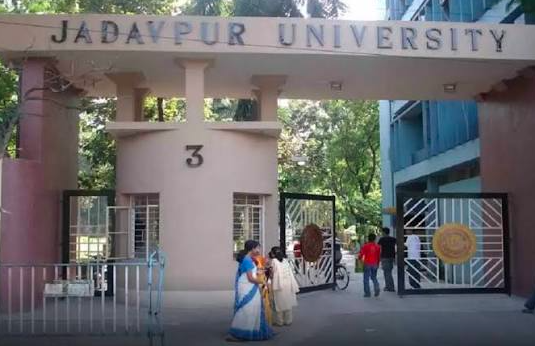
Jadavpur VC Urges Students to Move Views From Walls Online