3 weeks ago
Why Teenagers Need Space to Make Their Own Choices

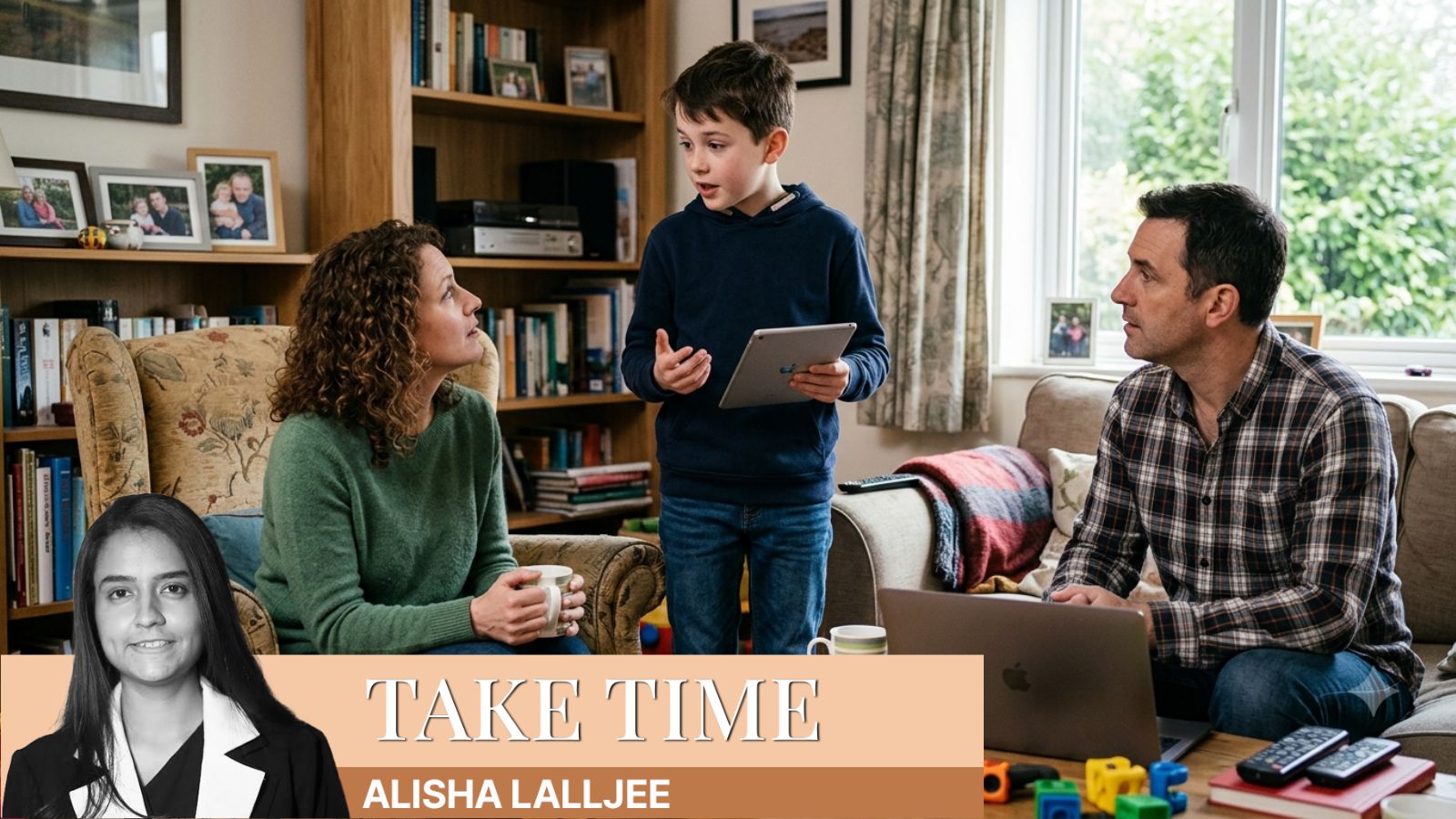
Teenagers are learning how to become adults.
They need some freedom to make choices and spend time with friends.
Parents may have strong hopes because they want their children to be safe and successful.
Sometimes those hopes can make teenagers feel that they must follow one fixed path.
Parents can still set boundaries while listening to what their children want.
Trying an activity for a short time can be safer than making a permanent decision.
Mistakes can teach teenagers how to solve problems and try again.
The goal is to help young people learn how to make good decisions on their own.

Teenagers need opportunities to make choices, manage time and handle disagreements independently.
Parents may unintentionally project their own experiences or ambitions onto their children.
Guidance can support teenagers without controlling every educational or career decision.
Trial periods, practical plans and shared goals can make disagreements easier to manage.
Small mistakes can help teenagers build resilience, judgement and confidence.
- Who
- Teenagers and their parents.
- What
- The article argues that teenagers need space to make choices while receiving guidance and reasonable boundaries.
- Where
- When
- Why
- Independent choices help teenagers practise judgement, manage consequences, respond to setbacks and prepare for adulthood.
Teen Autonomy
Parental Guidance
Who should make important decisions?
Teen Autonomy
Teenagers need opportunities to participate in decisions about their education and future so they can develop independence.
Parental Guidance
Parents may want to guide major decisions because they are concerned about security, stability and success.
How should mistakes be handled?
Teen Autonomy
Allowing manageable mistakes gives teenagers opportunities to build resilience, reflect and try again.
Parental Guidance
Parents may seek to prevent mistakes and obstacles, although the article says complete protection can limit learning.
How should disagreements be resolved?
Teen Autonomy
Teenagers can explain their goals, ask questions and propose practical trial plans.
Parental Guidance
Parents can set boundaries, express concerns and begin with curiosity rather than immediately approving every choice.
Key facts
- Core principle
- Teenagers need guidance without complete control.
- Parental expectations
- Parents may project their own experiences or unfinished ambitions onto their children.
- Suggested approach
- Parents can ask questions and seek to understand a teenager’s thinking before rejecting an idea.
- Practical strategy
- A teenager can suggest trying an activity for a term or a few months.
- Planning
- Interests become more convincing when supported by a plan for managing time, studies and responsibilities.
- Role of mistakes
- Manageable failures can help teenagers develop resilience and reflect on their decisions.
- Broader purpose of education
- Education prepares young people not only for examinations or careers, but also for making choices and responding to setbacks.
Quotes
A teenager
A teenager described as asserting time for personal commitments.
“I want you to become a doctor.”
 thehansindia.com
“Why do you want to try this?”
thehansindia.com
Sources
Related news
How Parents Can Stop Children Playing Them Against Each Other

Varalaxmi Sarathkumar Explains Her Choice Not to Have Children

Saransh Gupta Says Support Matters More Than Advertisements

WhatsApp Rolls Out Optional Parental Controls for Teenagers

Indian Gen Z Moves Out While Staying Close to Family