

3 weeks ago
Merz expands Taliban diplomats-for-deportees deal amid far-right pressure
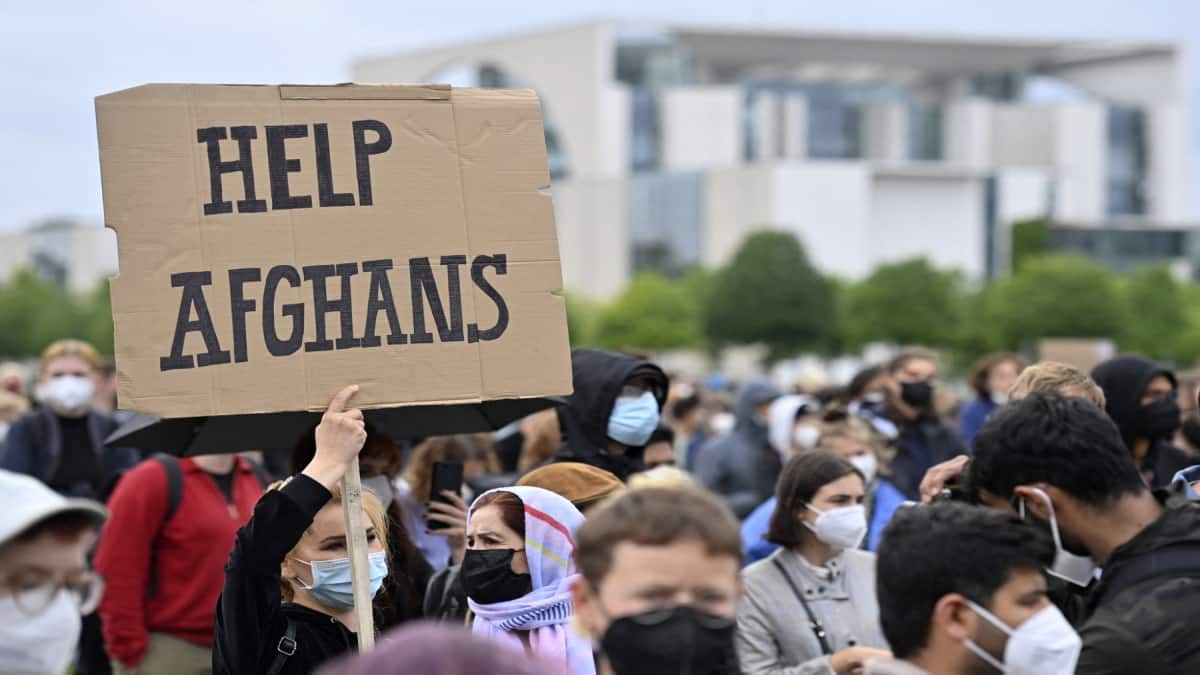
Germany's leader, Chancellor Merz, made a deal with the Taliban, the group that runs Afghanistan.
Under the deal, Germany can send some Afghan people back to Afghanistan.
In return, Taliban officials get to run Afghanistan's embassies in the German cities of Berlin and Bonn.
Now the deal has been made bigger: more Taliban members can work in Germany, and Germany will send back more Afghan men.
Many Afghan people living in Germany are scared by this.
They worry Taliban officials will refuse to renew their passports, which they need to stay in the country.
They also fear the Taliban will use embassy records to track them or hurt their families still in Afghanistan.
One Afghan woman, Zarmina Paryani, says a Taliban member once warned her they would find her when the embassy in Germany reopened.
She now feels that threat has become a reality.

German Chancellor Friedrich Merz has expanded the 'diplomats-for-deportees' deal with the Taliban, allowing more Taliban officials to work at Afghan diplomatic missions in Germany.
In exchange, Germany will broaden deportations to include Afghan men without protected status or a legal right to remain, beyond the original deal covering convicted criminals.
The expansion comes as the far-right AfD has become Germany's most popular party by stoking anxiety over migration, putting pressure on Merz to deport more migrants.
Afghan dissidents fear Taliban officials could refuse to renew their passports, needed for humanitarian visas; Politico reports about 35,000 Afghans in Germany rely on such programmes.
Afghan exile Zarmina Paryani said a Taliban member once warned, 'Just wait until our embassy in Germany reopens. Then we'll find you there,' a threat she says now feels real.
- Who
- German Chancellor Friedrich Merz, the Taliban, and Afghan dissidents in Germany, including activist Zarmina Paryani.
- What
- Expansion of the 'diplomats-for-deportees' deal: more Taliban officials at Afghan missions in Berlin and Bonn in exchange for broader deportations of Afghan men.
- Where
- Germany (Berlin and Bonn) and Afghanistan.
- When
- The original deal was struck last year; the expansion was announced recently, with no specific date given in the article.
- Why
- Merz is under pressure from the far-right AfD, Germany's most popular party, which has stoked anxiety over migration; Afghans are Germany's third-largest refugee group.
Afghan dissidents in Germany
German government and deportation advocates
Taliban presence in diplomatic missions
Afghan dissidents in Germany
Taliban officials could use mission databases to track and harass dissidents, refuse passport renewals, and endanger relatives still in Afghanistan.
German government and deportation advocates
The arrangement is a diplomatic exchange that lets Germany proceed with deportations while Taliban officials staff Afghanistan's missions in Berlin and Bonn.
Deporting Afghan men without legal status
Afghan dissidents in Germany
Sending Afghans back to a regime known for persecution, even those without protected status, puts their safety at risk; renewing passports now requires appearing before Taliban officials.
German government and deportation advocates
Merz agreed to broader deportations under pressure from the far-right AfD, Germany's most popular party, which has stoked anxiety over migration.
Key facts
- Key figure
- Chancellor Friedrich Merz
- Original deal
- Deportation of Afghan men convicted of crimes in exchange for Taliban control of Afghan missions in Berlin and Bonn
- Expanded deal
- More Taliban officials at Afghan missions in exchange for deporting Afghan men without protected status or legal right to remain
- Afghans affected
- About 35,000 Afghans in Germany under humanitarian programmes requiring passport renewals (per Politico)
- Refugee ranking
- Afghans are the third-largest group seeking refuge in Germany, after Syrians and Ukrainians
- Political backdrop
- Far-right AfD is Germany's most popular party
- Main fear
- Taliban could use embassy databases to track and harass dissidents and target relatives in Afghanistan
Quotes
Zarmina Paryani
Afghan asylum‑seeker in Germany
“"It's hard to accept that my fate and my affairs are being discussed with the very same representatives whose oppression, prisons, whippings, and violence I fled from"”
 firstpost.com
Sources
Related news

German spy agency launches helpline for exiles facing repression

Over 2,292 Afghans Return Home From Pakistan, Iran in a Day
Merz Warns AfD Victory Could Deter Investors in Saxony-Anhalt
Pakistan Deportation Drive Threatens Afghan Female Students’ Careers
Taliban Marks 5 Years in Power Amid Rights Groups Alarm

Afghan Journalist and Filmmaker Missing in Pakistan for a Month

Germany Blames Russia for Leipzig Drone Attack, Europe Vows Response

Study Links Popular Sweetener Xylitol to Cardiovascular Risk
Germany Accuses Russia in Leipzig Drone Attack, Orders Retaliation

14th-Century Skeleton May Reveal First Confirmed Trebuchet Victim

Chinese Humanoid Robots Sprint Beyond Human World Records