9 hrs ago
Himachal Court Cancels Disputed University Vice-Chancellor Appointment Process
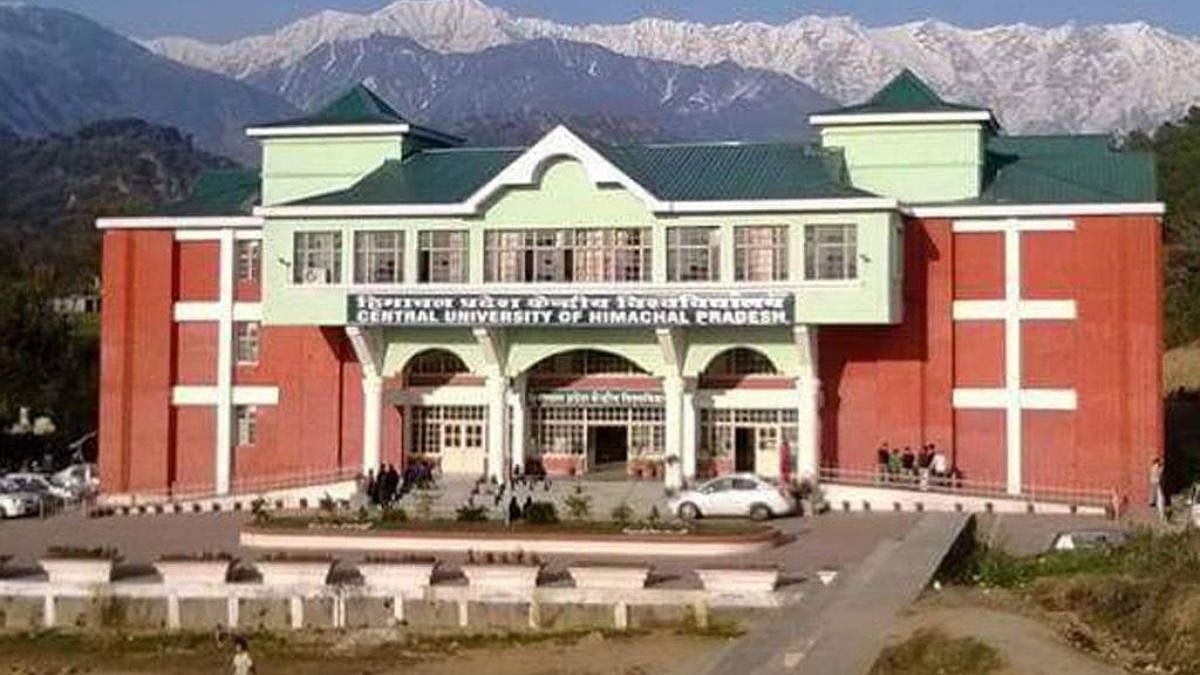
A court in Himachal Pradesh stopped a plan for choosing leaders at two agricultural universities.
The plan gave the State Government a bigger role in selecting Vice-Chancellors.
The court said the new rules did not match national university guidelines.
It cancelled the job advertisements and said the process must start again.
One university has been without a Vice-Chancellor since 2023.
The other has been without a regular Vice-Chancellor since 2025.
The Governor and the elected government disagree about who should have more influence.
The universities need stable leaders so teaching, research and farming-related work can continue.

The Himachal Pradesh High Court cancelled advertisements for Vice-Chancellor posts at two agricultural universities.
The court struck down amendments and found the 2026 Rules inconsistent with Clause 7.3 of the UGC Regulations, 2018.
The disputed rules gave the State Government a larger role and excluded University Grants Commission representation from the selection committee.
The Vice-Chancellor post at Nauni has been vacant since August 2023, while Palampur has lacked a regular Vice-Chancellor since May 2025.
The universities must restart the selection process, while the Government may challenge the ruling or pursue another legislative route.
- Who
- The Himachal Pradesh High Court, the State Government, the Governor as Chancellor, and two agricultural universities are involved.
- What
- The court cancelled Vice-Chancellor advertisements, struck down related amendments, and rejected the 2026 Rules as inconsistent with the applicable UGC framework.
- Where
- Dr Y.S. Parmar University of Horticulture and Forestry at Nauni and CSK Himachal Pradesh Krishi Vishvavidyalaya at Palampur, Himachal Pradesh.
- When
- The Nauni Vice-Chancellor post has been vacant since August 2023, and the Palampur post has lacked a regular Vice-Chancellor since May 2025.
- Why
- The court found that the revised appointment mechanism conflicted with the UGC Regulations, 2018, particularly Clause 7.3.
State Government's Position
Court and Academic Framework
Government role
State Government's Position
The State Government argued that its role is justified because the universities depend substantially on public resources and are accountable to the legislature and taxpayers.
Court and Academic Framework
The court's ruling limits the State's ability to redesign the appointment process when the new system conflicts with the applicable national academic framework.
Interpretation of regulations
State Government's Position
The Government maintained that the UGC Regulations did not apply in the manner claimed in the case.
Court and Academic Framework
The High Court held that the 2026 Rules were inconsistent with Clause 7.3 of the UGC Regulations, 2018.
Control versus institutional stability
State Government's Position
Giving the elected executive a decisive role could make university administration more directly accountable to the public authorities funding it.
Court and Academic Framework
A selection process shaped by political rivalry may undermine academic standards and prolong vacancies, harming teaching, research and agricultural services.
Key facts
- Institutions affected
- Dr Y.S. Parmar University of Horticulture and Forestry and CSK Himachal Pradesh Krishi Vishvavidyalaya
- Court action
- Advertisements for both Vice-Chancellor posts were cancelled.
- Rules challenged
- The court struck down amendments and held the 2026 Rules inconsistent with Clause 7.3 of the UGC Regulations, 2018.
- Earlier selection system
- The 1986 law provided for appointment by the Chancellor on the recommendation of a three-member committee including nominees linked to the Chancellor, ICAR and the UGC.
- Nauni vacancy
- The Vice-Chancellor position has been vacant since August 2023.
- Palampur vacancy
- The university has been without a regular Vice-Chancellor since May 2025.
- Possible next steps
- The Government may challenge the judgment or pursue another legislative route, while a fresh selection process is required.
Sources
Related news
Himachal High Court Limits State Role in University Appointments
Himachal Pradesh Assembly Passes University Recruitment Amendment Amid Opposition

Karnataka High Court Quashes KPSC Chief’s Suspension, Orders Reinstatement
JNU students, teachers seek VC's removal over recruitment irregularities
Higher Education Secretary’s UGC Charge Sparks Autonomy Concerns

Punjab HC Chief Justice Appointment Sparks Centre-State Dispute
Reservation Reform Movement Faces Criticism Over Anti-Quota Demands

NHRC Orders Action on Delhi University Hostel Shortage After Collapse
Supreme Court Bars Fresh Assam Teacher Appointments, Absorption
Longer Allied Health Degrees Raise Faculty, Infrastructure Concerns