

1 hr ago
Apple Eyes Thinner, More Efficient OLED Displays for 2029 iPhones
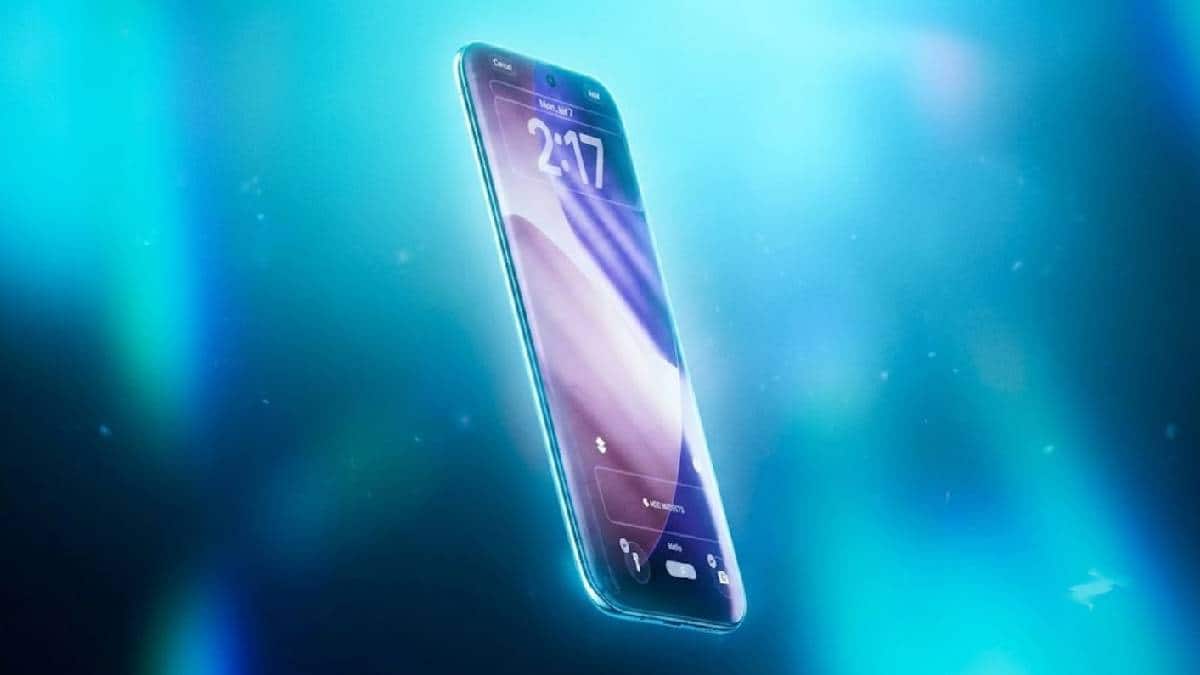
Apple is studying a new kind of screen for future iPhones.
The screen could be thinner and use less battery power.
It would remove a layer called a polarizer and use a color filter instead.
This could let more light pass through the screen.
The extra space might allow Apple to add a larger battery or other parts.
Apple’s possible foldable phone could test the technology first.
However, the new screen may reflect more light and be harder to see outdoors.
Samsung has already used a similar approach in one of its foldable phones.

Apple could use thinner, more power-efficient COE OLED panels in its 2029 Pro iPhones.
The technology replaces the conventional polarizer with a color filter placed over the encapsulation layer.
Removing the polarizer could improve light transmission, increase brightness, and create room for a larger battery.
Apple’s upcoming foldable may serve as a testbed before COE reaches the 2029 Pro models.
Manufacturers must address outdoor visibility, reflections, viewing angles, contrast, and color accuracy challenges.
- Who
- Apple is developing the possible display change, with Samsung and LG potentially supplying panels.
- What
- Apple may adopt Color Filter on Encapsulation OLED technology for its 2029 Pro iPhones.
- Where
- The displays would be used in Apple’s upcoming foldable and future Pro iPhones.
- When
- The technology could appear in a foldable first and potentially reach 2029 Pro models.
- Why
- The change could make screens thinner, improve light transmission, reduce power use, and free space for components.
Potential Benefits
Technical Concerns
Brightness and power use
Potential Benefits
Removing the polarizer could allow more light through, enabling greater brightness without additional battery power.
Technical Concerns
The technology may require additional measures to control external reflections, potentially complicating display performance.
Thinner design
Potential Benefits
A thinner display could free space for a larger battery and other components.
Technical Concerns
Manufacturers must preserve viewing angles, contrast, color accuracy, and outdoor readability while changing the panel structure.
Technology readiness
Potential Benefits
Samsung’s similar Eco OLED implementation reportedly improved light transmission by 33% and reduced power consumption by up to 25% compared with traditional displays.
Technical Concerns
Apple may first use its foldable as a testbed, indicating the technology could require validation before broader iPhone adoption.
Key facts
- Display technology
- Color Filter on Encapsulation, or COE, OLED
- Potential iPhone timing
- 2029 Pro models
- Possible test device
- Apple’s upcoming foldable
- Expected benefits
- Thinner panels, greater light transmission, lower power consumption, and more internal space
- Potential panel demand
- Approximately 90 million to 100 million units for the two Pro models
- Potential suppliers
- LG and Samsung
- Technical challenges
- Managing reflections, outdoor visibility, viewing angles, contrast, and color accuracy
Sources
Related news
Apple's First Foldable iPhone: Leaks Ahead of September Launch
Apple’s Foldable iPhone May Debut Alongside iPhone 18 Pro

Samsung Reportedly Supplies Apple’s First Foldable iPhone Display

Apple’s Reported Foldable iPhone May Miss Face ID Features
iPhone 20 Pro Models Rumored to Gain Larger Quad-Curved Displays
Apple's iPhone 18 Pro, Foldable Ultra Launches Face Leaked Features
Samsung India Profit Drops 36 Percent Despite Revenue Growth

AMD Joins Trillion-Dollar Club as AI Optimism Drives Rally

Global Semiconductor Market Set to Surpass $1.6 Trillion
Samsung Raises Galaxy S26 Series Prices by Rs 20,000
