2 weeks ago
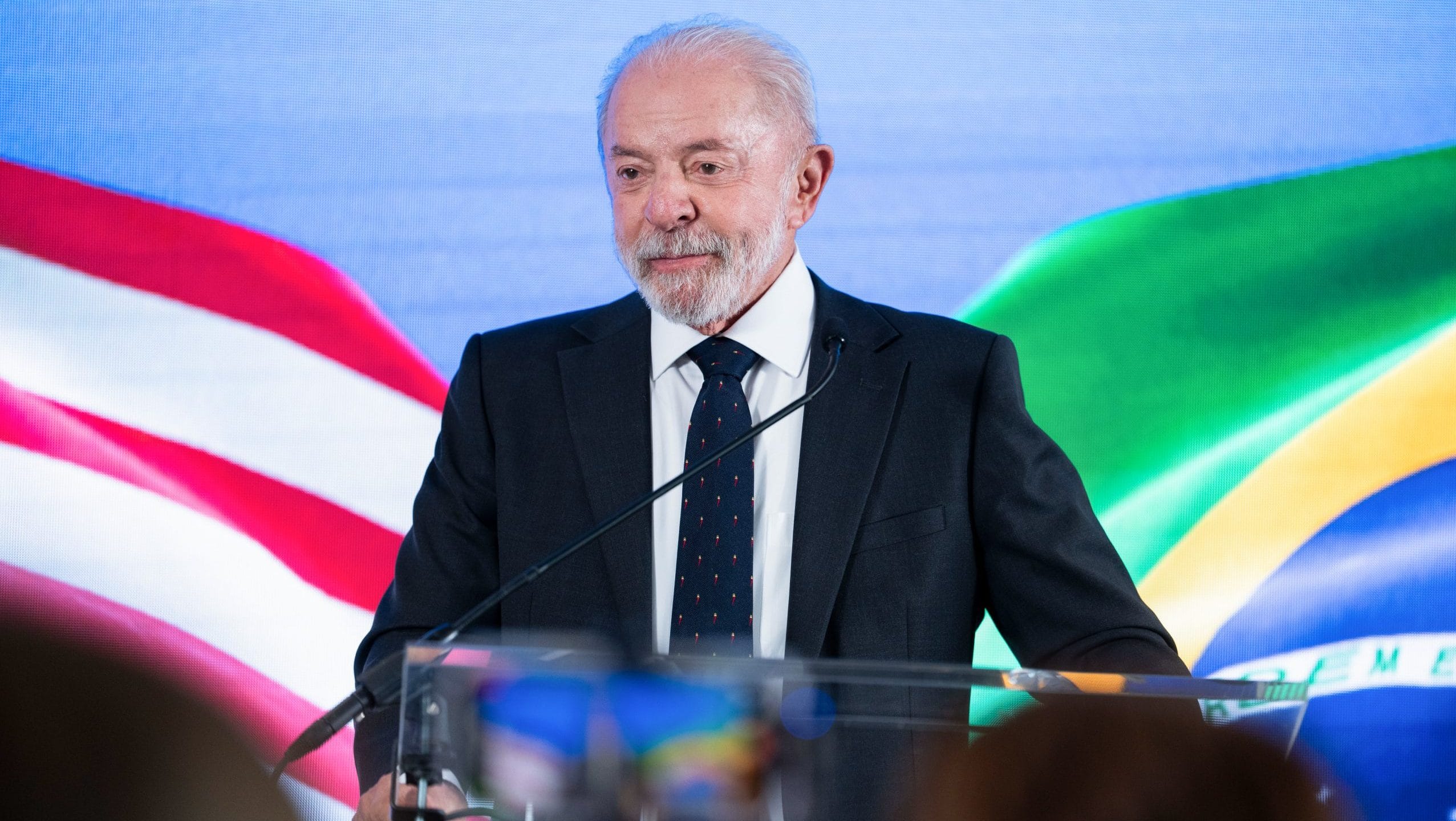
Brazil presidential rivals Lula, Flavio Bolsonaro release catchy campaign anthems

In Brazil, two people who want to be president are using songs to win over voters.
President Lula picked a bouncy, exciting song called 'Silva's Rap.'
It comes from a kind of music called funk that started in poor neighborhoods like the slums of Rio de Janeiro.
The song tells the story of how Lula grew up as a regular person and became a leader.
His rival, Senator Flavio Bolsonaro, picked a country-style song called 'Come With Faith.'
That song talks a lot about faith, hope, and believing in a better tomorrow.
It was made with the help of a computer program called AI.
The song tries to connect with people who love religion and life in the countryside.
Songs have been part of Brazilian elections for a very long time because they help candidates reach lots of people.
The type of song a candidate chooses can show voters what the candidate cares about.

Brazil's presidential frontrunners, President Luiz Inacio Lula da Silva and Senator Flavio Bolsonaro, have released contrasting campaign songs as the race ramps up.
Lula's 'Silva's Rap' borrows from a 1995 baile funk hit by MC Bob Rum to celebrate his rise from humble origins to union leader and president.
Bolsonaro's 'Come With Faith' is an AI-generated sertanejo country anthem with seven mentions of 'faith' aimed at evangelical and rural voters.
Analysts say musical genre acts as a political signal: funk and rap are tied to the left and marginalized communities, while sertanejo is tied to Bolsonaro's conservative heartland.
Campaign jingles have a long tradition in Brazil, including Lula's 1989 'Lula lá' anthem, which has been reprised in each of his six subsequent campaigns.
- Who
- President Luiz Inacio Lula da Silva and Senator Flavio Bolsonaro, the leading candidates in Brazil's presidential race.
- What
- The frontrunners unveiled contrasting campaign songs: Lula's funk-inspired 'Silva's Rap' celebrating his working-class roots, and Bolsonaro's AI-generated sertanejo anthem 'Come With Faith' centered on faith and hope.
- Where
- Brazil, reported from Brasilia, with the songs rooted in Rio de Janeiro's funk scene and Brazil's rural interior sertanejo tradition.
- When
- Reported August 13 as presidential campaigns ramp up.
- Why
- To energize their respective voter bases: Lula's progressive supporters and Bolsonaro's evangelical and rural conservative constituency ahead of the vote.
Lula's progressive funk campaign
Bolsonaro's conservative faith anthem
Campaign song strategy
Lula's progressive funk campaign
Lula's 'Silva's Rap' tells his rags-to-riches story to rally his progressive base, which consultant Marcelo Vitorino says is already Lula's natural territory.
Bolsonaro's conservative faith anthem
Bolsonaro's 'Come With Faith' avoids his biography and promises a brighter tomorrow, appealing to a growing evangelical electorate that voted heavily for his father.
Musical genre as political signal
Lula's progressive funk campaign
Funk and rap come from the marginalized outskirts of Rio de Janeiro and are embraced by the left as proof of closeness to ordinary citizens.
Bolsonaro's conservative faith anthem
Sertanejo country music represents the conservative values of Brazil's rural interior, helping Bolsonaro champion the heartland and agribusiness.
Key facts
- Candidates
- President Luiz Inacio Lula da Silva vs. Senator Flavio Bolsonaro
- Lula's campaign song
- "Silva's Rap," based on a 1995 baile funk hit by MC Bob Rum
- Bolsonaro's campaign song
- "Come With Faith," an AI-generated sertanejo country anthem
- Bolsonaro's song lyrics
- Seven mentions of "faith," with repeated calls to "hope" and "believe"
- Ages
- Lula is 80; Flavio Bolsonaro is 45
- Poll standing
- Bolsonaro is slightly trailing Lula
- Jingle tradition
- Lula's 1989 "Lula lá" jingle reprised in each of his six later campaigns
- Report
- Reuters dispatch from Brasilia, August 13
Quotes
MC Bob Rum
Original writer of the 1995 funk track that inspired Lula’s campaign song
“This could not have happened even 10 years ago. Our generation suffered a lot of persecution.”
 theprint.in
Sources
Related news
Lula and Flavio Bolsonaro launch Brazil presidential campaigns
Lula Holds Slim Poll Lead Over Flavio Bolsonaro in Brazil
Flavio Bolsonaro Adds Economic Advisers to Brazil Campaign
Brazil's Flavio Bolsonaro names surprise running mate Alfredo Gaspar
Brazil Tightens AI Election Rules Before October Vote

Gen Z dances to 'Des Rangila' with Brazil-imported steps
Flavio Bolsonaro Vows to Respect Brazil’s October Election Result
Flavio Bolsonaro Pledges to Respect Brazil’s Presidential Election Results