

1 hr ago
AI Boom Prompts Rethink of Traditional Bear Market Measures
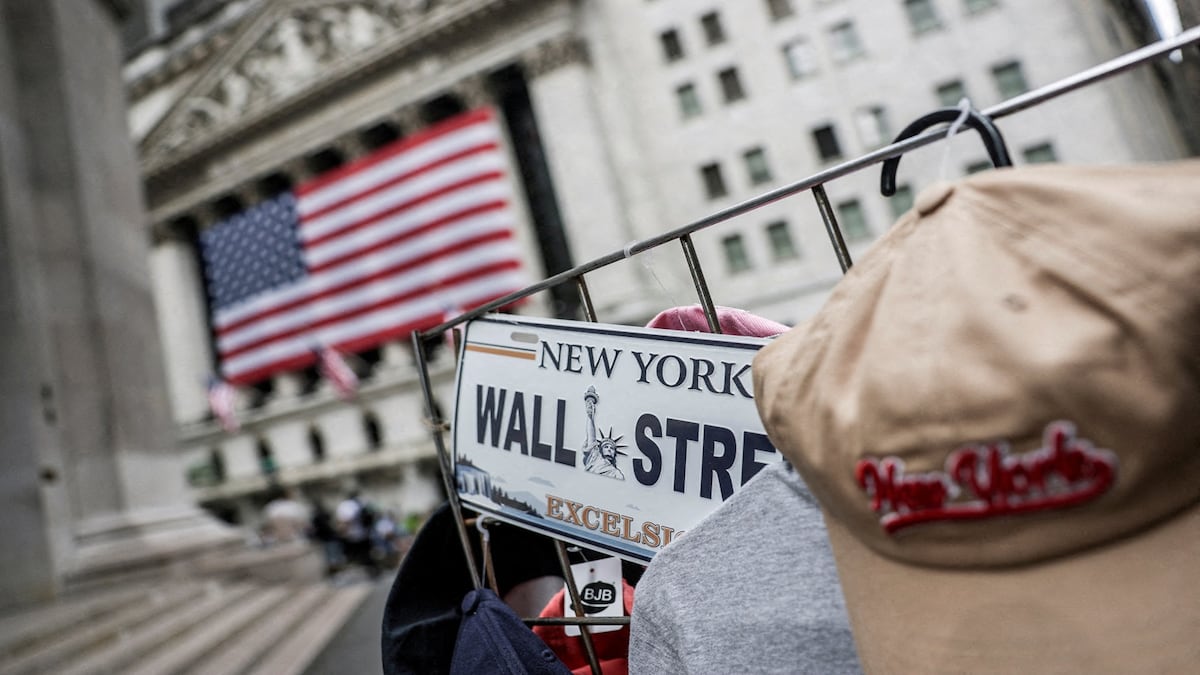
A bear market usually means an index has fallen at least 20% from a recent high.
In July, two technology-focused indexes met that definition.
However, they were still much higher than they had been at the start of the year.
Their prices had risen very quickly because of excitement about artificial intelligence.
Some experts say calling them bear markets makes the situation sound worse than it is.
Other experts say a real bear market should last for weeks or months.
They also think the economy and market volatility should be considered.
There is no new definition that everyone agrees on.
For now, investors may need to use several measures instead of one simple number.

The Philadelphia SE Semiconductor Index and South Korea’s KOSPI entered bear markets in July after 20% declines.
Despite those declines, the indexes remained up 46% and 25%, respectively, for the year at their troughs.
Analysts say traditional labels may misrepresent highly volatile indexes that have experienced sharp, parabolic gains.
Some investors favor measures incorporating decline duration, volatility, economic conditions and market trends.
Interactive Brokers’ Steve Sosnick said the SOX would need to fall more than 44% under his volatility-based approach.
- Who
- Market analysts, investors and traders, including Art Hogan, Steve Sosnick, David Russell and Joe Saluzzi, are debating the terminology.
- What
- The debate concerns whether a 20% decline should automatically classify highly volatile, AI-driven technology indexes as bear markets.
- Where
- The discussion focuses on Wall Street, the Philadelphia semiconductor index and South Korea’s KOSPI.
- When
- The Philadelphia SE Semiconductor Index and South Korea’s KOSPI entered bear-market territory in July.
- Why
- Traditional labels may give investors a misleading impression of market conditions when indexes remain substantially up for the year after sharp gains.
Traditional Definition
Context-Based Definition
Meaning of a 20% decline
Traditional Definition
A 20% fall remains the familiar and simple way to identify a bear market.
Context-Based Definition
The label may be misleading for indexes that have risen sharply and remain well above their starting levels.
What should confirm a bear market
Traditional Definition
A fixed threshold provides investors with a clear marker separating major selloffs from ordinary pullbacks.
Context-Based Definition
A decline should be sustained and assessed alongside volatility, economic conditions, interest rates and broader market trends.
Investment implications
Traditional Definition
Traditional labels can warn investors about a potentially serious shift in market conditions.
Context-Based Definition
Using the label too quickly could encourage investors to sell and miss a rebound, as occurred after the SOX and KOSPI declines.
Key facts
- Traditional bear-market definition
- A 20% drop in a major index.
- Indexes involved
- The Philadelphia SE Semiconductor Index and South Korea’s tech-heavy KOSPI.
- Performance at troughs
- The SOX was still up 46% for the year, while the KOSPI was up 25%.
- Average S&P 500 bear market
- Bear markets since 1928 have lasted an average of 289 days, or about 9.6 months.
- Semiconductor earnings outlook
- Earnings for the S&P 500 semiconductors and equipment industry group are estimated to grow at least 114.7% this year.
- Alternative SOX threshold
- Steve Sosnick said the SOX would need to fall more than 44%, based on its one-year historical volatility, to qualify as a bear market.
Quotes
Steve Sosnick
Chief strategist at Interactive Brokers
“A bear market needs to be sustained over multiple weeks or months for confirmation. Deeper structural forces in the market need to be negative for a bear market to be real, such as high interest rates and peaking of the economy.”
 CNBC TV 18
“These labels that people use probably make some sense for broad markets, but not for indexes such as SOX and KOSPI, which have had crazy parabolic runs.”
CNBC TV 18
Sources
Related news

Michael Burry warns of '1987-type fall' despite big tech earnings

Korean Stocks Rise 22% as Chip Rally Regains Steam

Sensex falls 281 points as Nifty slips below 20-day SMA

AI-Driven Giants Are Distorting Taiwan’s Stock Index Reality

US Futures Edge Lower Before Nvidia Earnings, Inflation Data

Sensex, Nifty Recover as Brent Crude Falls Below $90

PPFAS GIFT Cuts US Fund Minimum Investment to $500
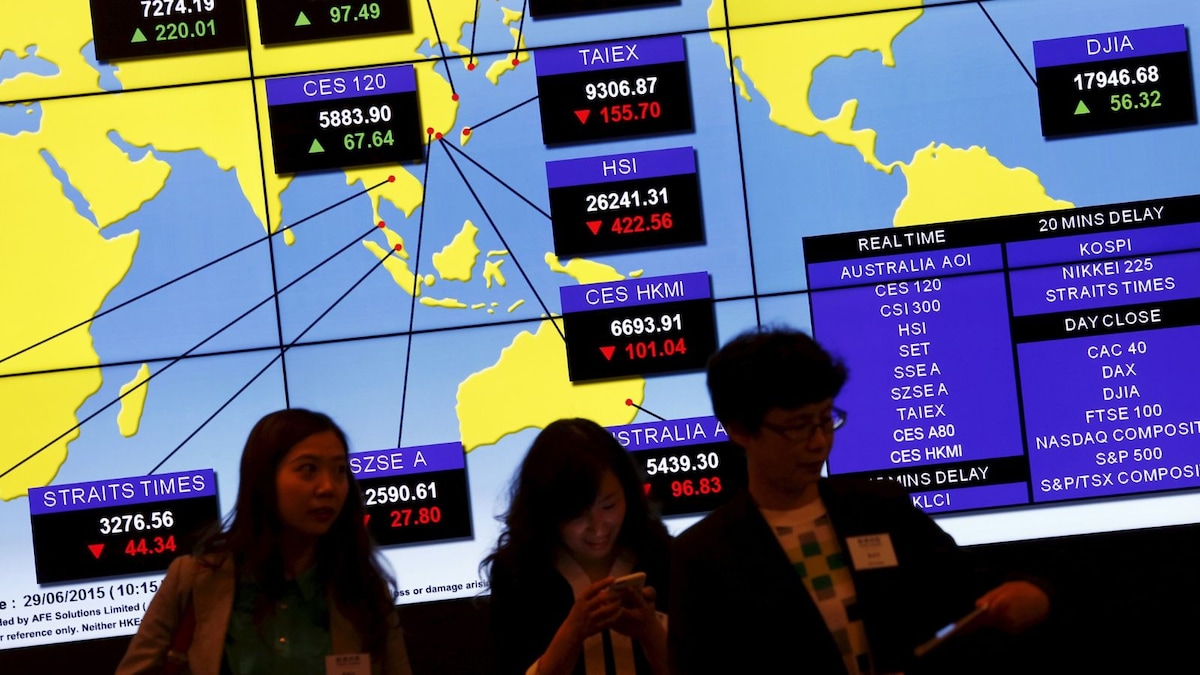
Asian stocks slide as technology sell-off deepens before Nvidia earnings
