

2 hrs ago
Modi Marks 25 Years in Elected Office
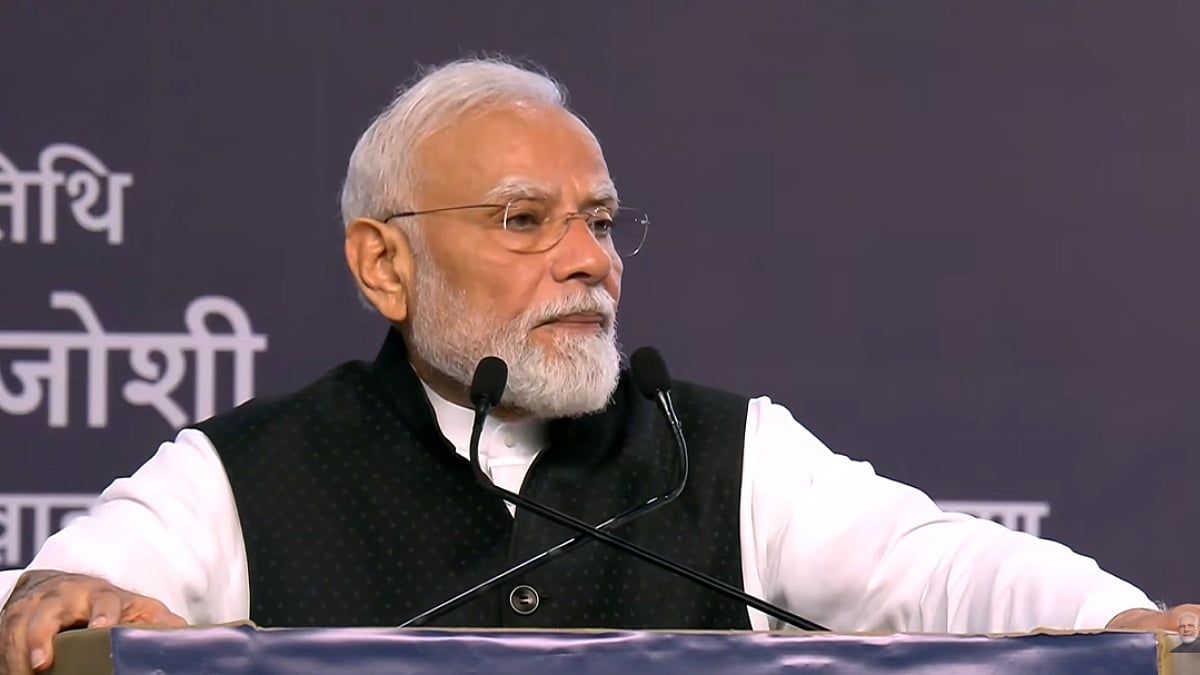
Narendra Modi has spent 25 years in elected government.
He first led the state of Gujarat and later became India’s prime minister.
The article says his governments worked to make public services and payments more digital.
It also points to projects for roads, railways, water, health insurance, and clean cooking fuel.
These programmes aimed to reach many people across India.
The article says India has become more interested in building industries and competing around the world.
It also notes that his time in office included difficult decisions and major challenges.
It says future leaders will need to focus on jobs, education, healthcare, and new technology.

Narendra Modi reached 25 years in elected office, beginning as Gujarat chief minister in 2001 and becoming prime minister in 2014.
The article credits his tenure with expanding digital services, financial inclusion, infrastructure investment, and economic formalisation.
It highlights social programmes focused on sanitation, cooking fuel, drinking water, health insurance, housing, and direct benefit transfers.
The article says India has become more confident in manufacturing, technology, investment, and global engagement.
It also acknowledges disruptions and contested decisions, and identifies jobs, skills, education, healthcare, and productivity as future priorities.
- Who
- Prime Minister Narendra Modi.
- What
- He completed 25 years in elected public office.
- Where
- Gujarat and India.
- When
- The milestone was marked today; his elected-office tenure began in 2001.
- Why
- The article presents the milestone as an occasion to assess Modi’s public leadership and its impact on India.
Key facts
- Milestone
- 25 years in elected public office
- First cited office
- Chief minister of Gujarat, beginning in 2001
- Became prime minister
- 2014
- Initiatives mentioned
- Jan Dhan, Swachh Bharat, Ujjwala, Jal Jeevan Mission, and Ayushman Bharat
- Economic and governance changes cited
- Digital payments, digital public infrastructure, GST, the Insolvency and Bankruptcy Code, and infrastructure investment
- Future priorities identified
- Employment, skills, education, healthcare, urban infrastructure, and productivity
Sources
Related news

Andhra Minister Praises Modi’s 25 Years in Public Service
Cabinet Hails Modi’s 25 Years of Governance and Achievements
CII President Credits Modi With Formalisation, Inclusion and Digitalisation
Political Leaders Greet Modi on 76th Birthday, Marking Public Service
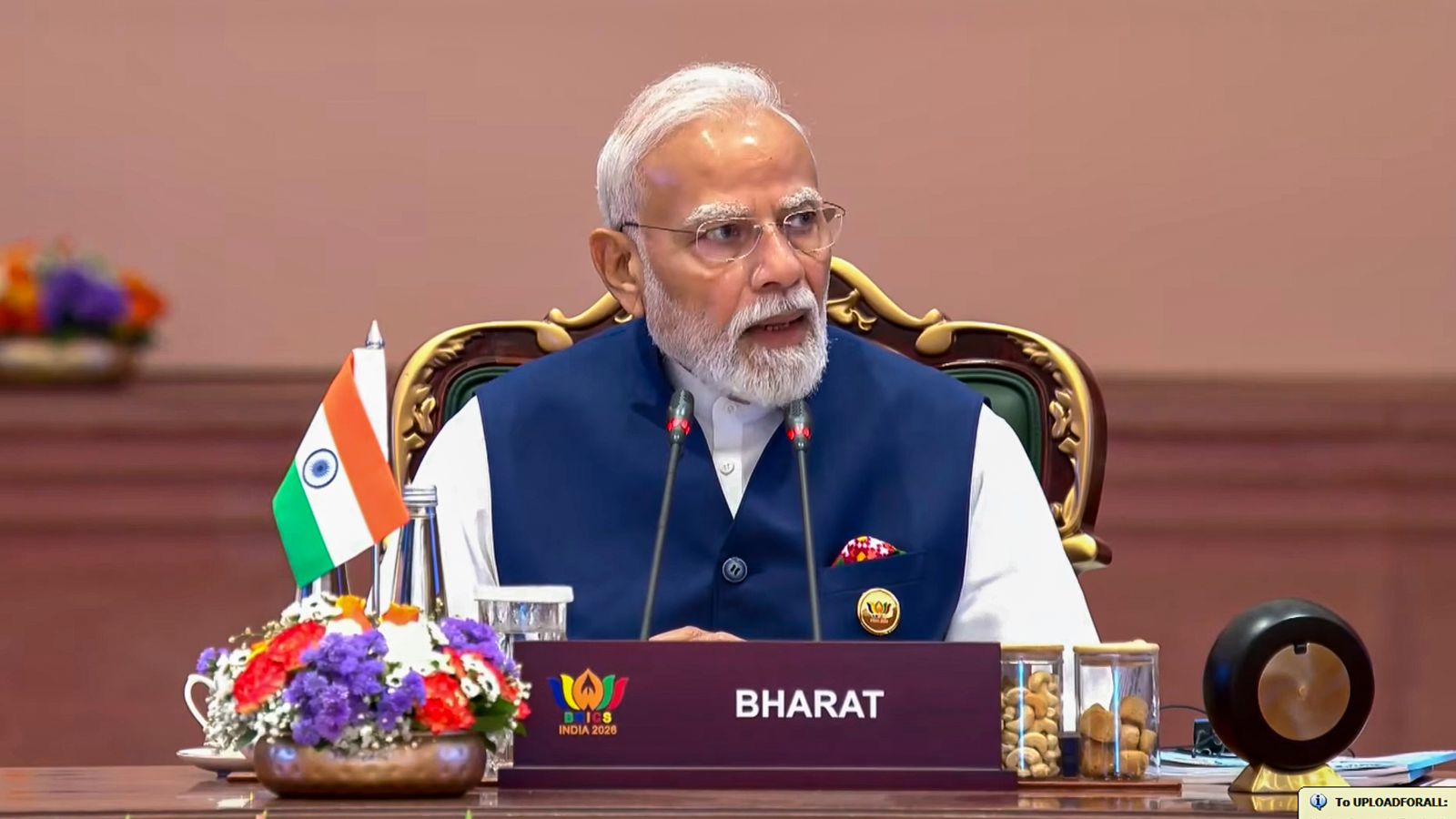
Modi’s 25-Year Leadership Record Highlights India’s Broad Transformation
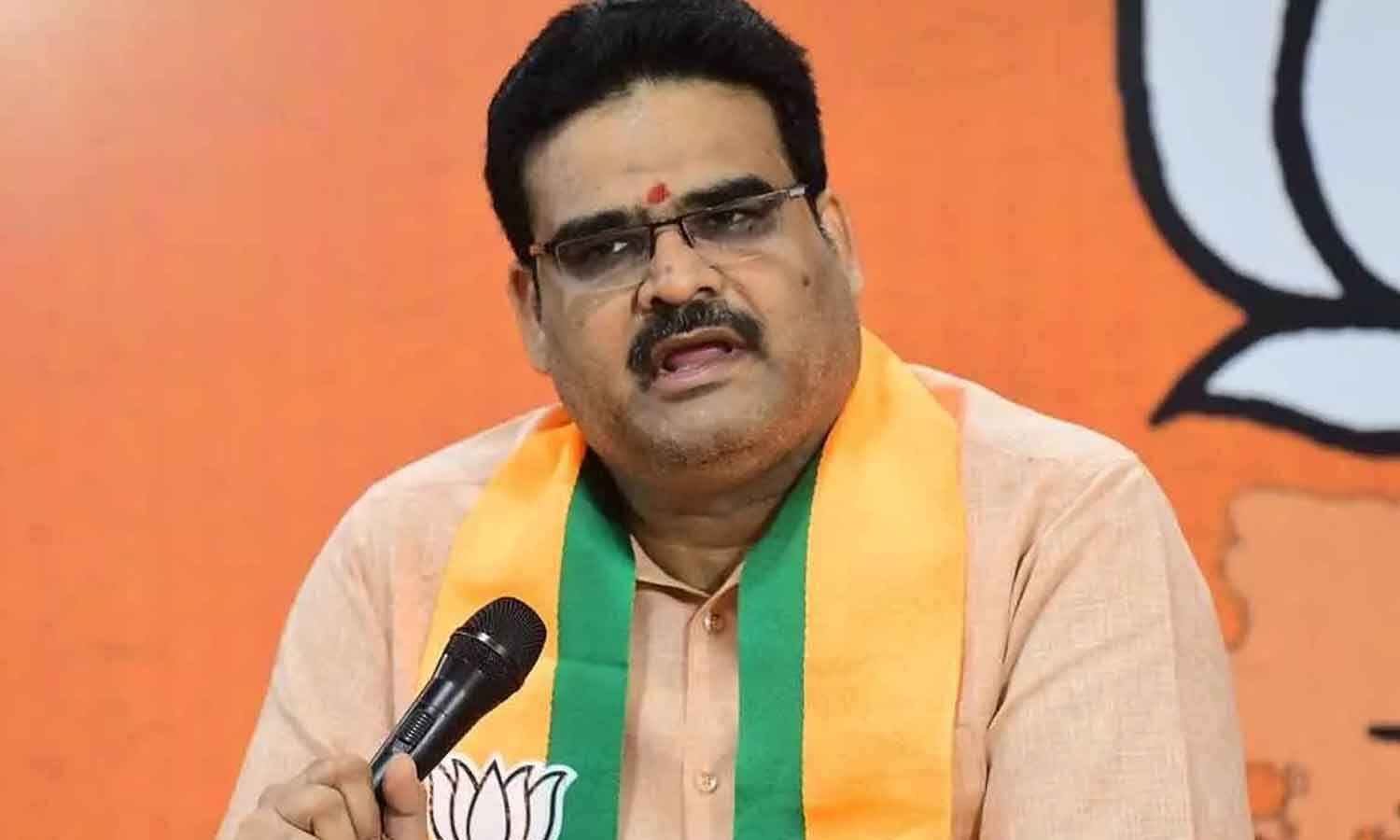
Modi-Era Governance Expands Financial Inclusion and Basic Services
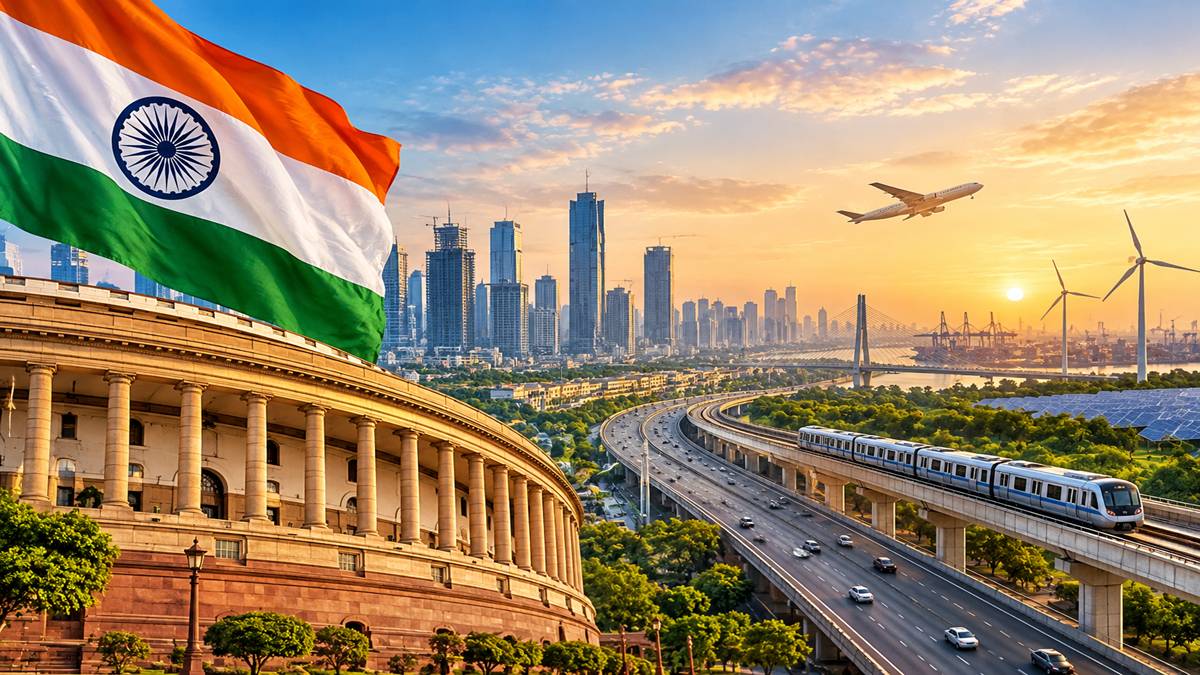
India Needs Law-Anchored Impact Assessments for Better Regulation

Kishan Reddy Urges Women to Help Build Drug-Free Society
Delhi Traffic Curbs for BJP Event Honouring Modi’s Public Life
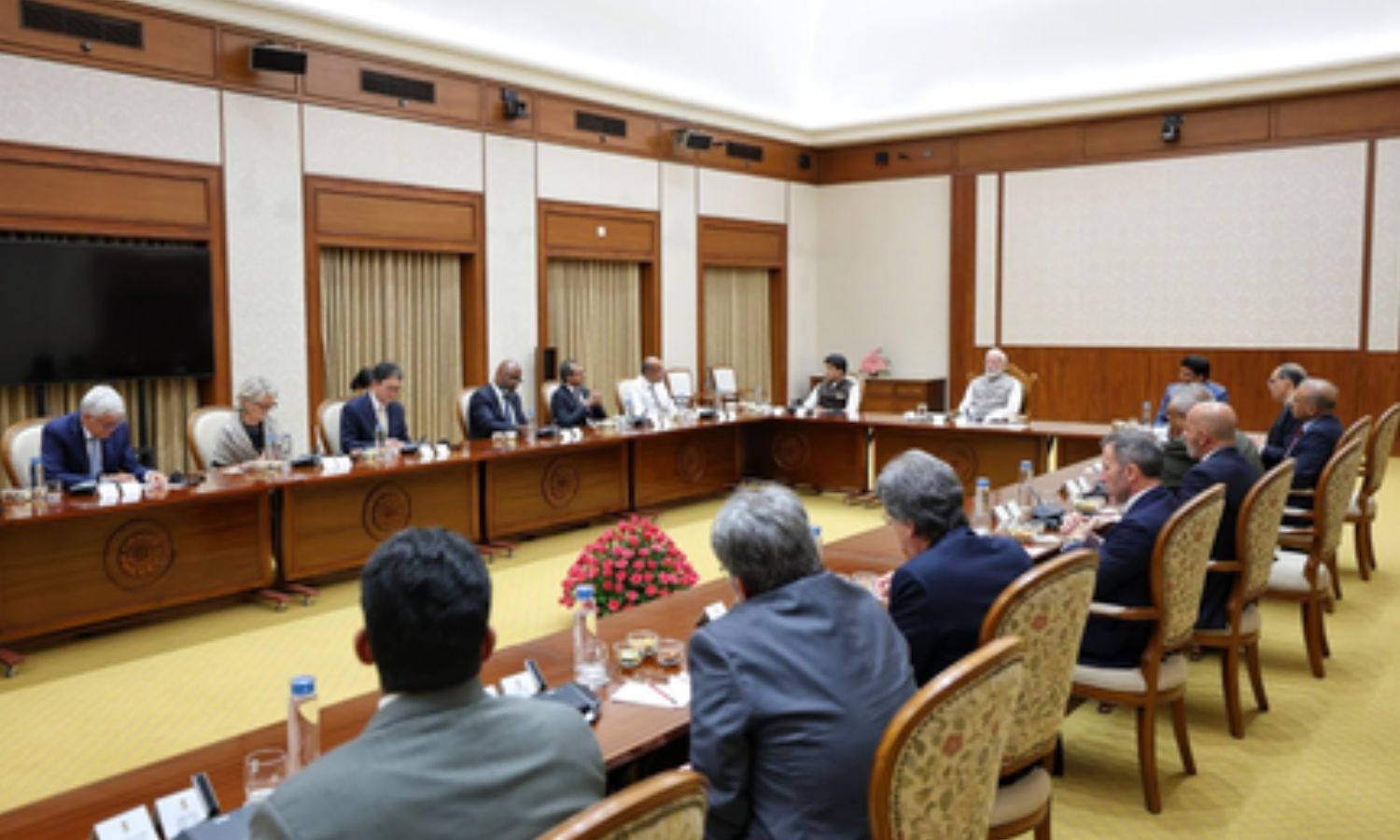
Modi Urges Inclusive Technology and Affordable Digital Access
