

1 day ago
Why Children Say No: Temperament, Independence and Parenting
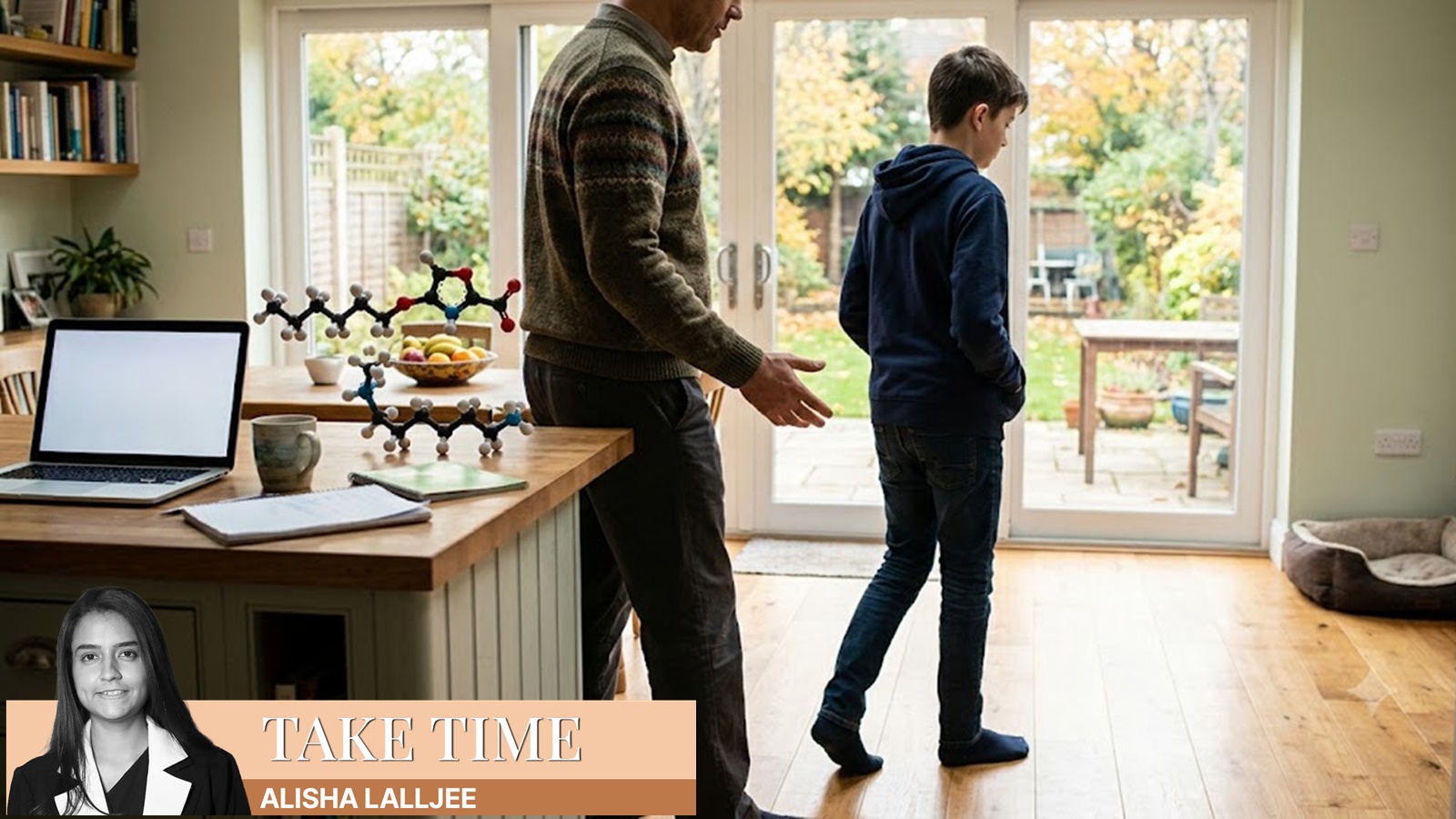
Children usually are not born knowing how to disobey adults.
However, some children are naturally more intense, independent or persistent than others.
Saying no can be a normal way for young children to show they have their own ideas.
Teenagers may also argue more as they try to become independent.
How adults respond can affect whether this behavior becomes a lasting pattern.
Changing rules, family conflict and stress can make children feel upset or powerless.
Parents can help by setting clear rules and following them consistently.
They can also offer small choices while keeping important expectations firm.
Defiance does not automatically mean that a child has a mental health or developmental condition.

Children are not usually born defiant, but some are naturally more strong-willed, persistent, sensitive or resistant to change.
Genetics may influence temperament, while experiences, relationships and environment shape how those traits develop.
Saying no and testing limits can be normal ways for children and teenagers to express independence.
Inconsistent rules, unpredictable consequences, conflict or emotional stress can make arguing and refusing more persistent.
Clear expectations, consistent boundaries, respectful communication and limited choices may help reduce power struggles.
- Who
- Children, teenagers and their parents or caregivers.
- What
- The article explains why children may say no, argue or rebel, and how temperament and experiences can influence this behavior.
- Where
- At home, at school and in other environments affected by family or social experiences.
- When
- The behavior can occur during childhood and may become especially noticeable during adolescence.
- Why
- Children may be expressing independence, reacting to inconsistent boundaries or communicating frustration, stress or other difficult emotions.
Key facts
- Core finding
- Defiance itself is not usually something a baby is born knowing how to do.
- Temperament
- Some children naturally have stronger independence, persistence, emotional intensity, sensitivity or resistance to change.
- Development
- Saying no and testing limits can be normal parts of developing independence.
- Contributing factors
- Genetics, development, relationships, learning and environment can combine to shape behavior.
- Risk factors
- Inconsistent discipline, changing rules, family conflict, bullying, loss, instability and school problems may increase oppositional behavior.
- Helpful responses
- Clear instructions, consistent consequences, emotional support, respect and limited choices may help.
- Professional support
- ADHD, ODD, conduct disorder or autism can sometimes be associated with behavior interpreted as defiance, but defiance alone does not establish any of these conditions.
Quotes
Article narrator
The narrator addressing a parent about giving a child everything they request
“When you were growing up and asked your parents for five different things, how many of those five did you actually get? Maybe one, if you were lucky. On an average day, perhaps none. So, what makes you think that, as a parent, you have to go all out and give your child everything- simply because you didn’t get those things when you wanted them?”
 indianexpress.com
Sources
Related news

How Parents Can Help Children Build Independence Gradually

Lalit Modi gifts son Ferrari yearly, cites strict upbringing

Ankur Warikoo reveals 3 parenting rules: visible conflict, money honesty

Priyanka Chopra recalls mother's 'I didn't raise a coward' advice

Guardians Should Guide Children Without Imposing Unfinished Dreams

Gujarat Mother Learns Independence Can Strengthen Family Connection

How Social Media Made ADHD the New ‘It’ Diagnosis

Forgetfulness or ADHD? Doctors Explain When Adult Assessment Matters

Care ADHD Opens Bangalore Office

ADHD Hacks: Simple Strategies for Managing Life in India
