

2 hrs ago
Indian Markets Tumble as Oil, Yields and War Intensify
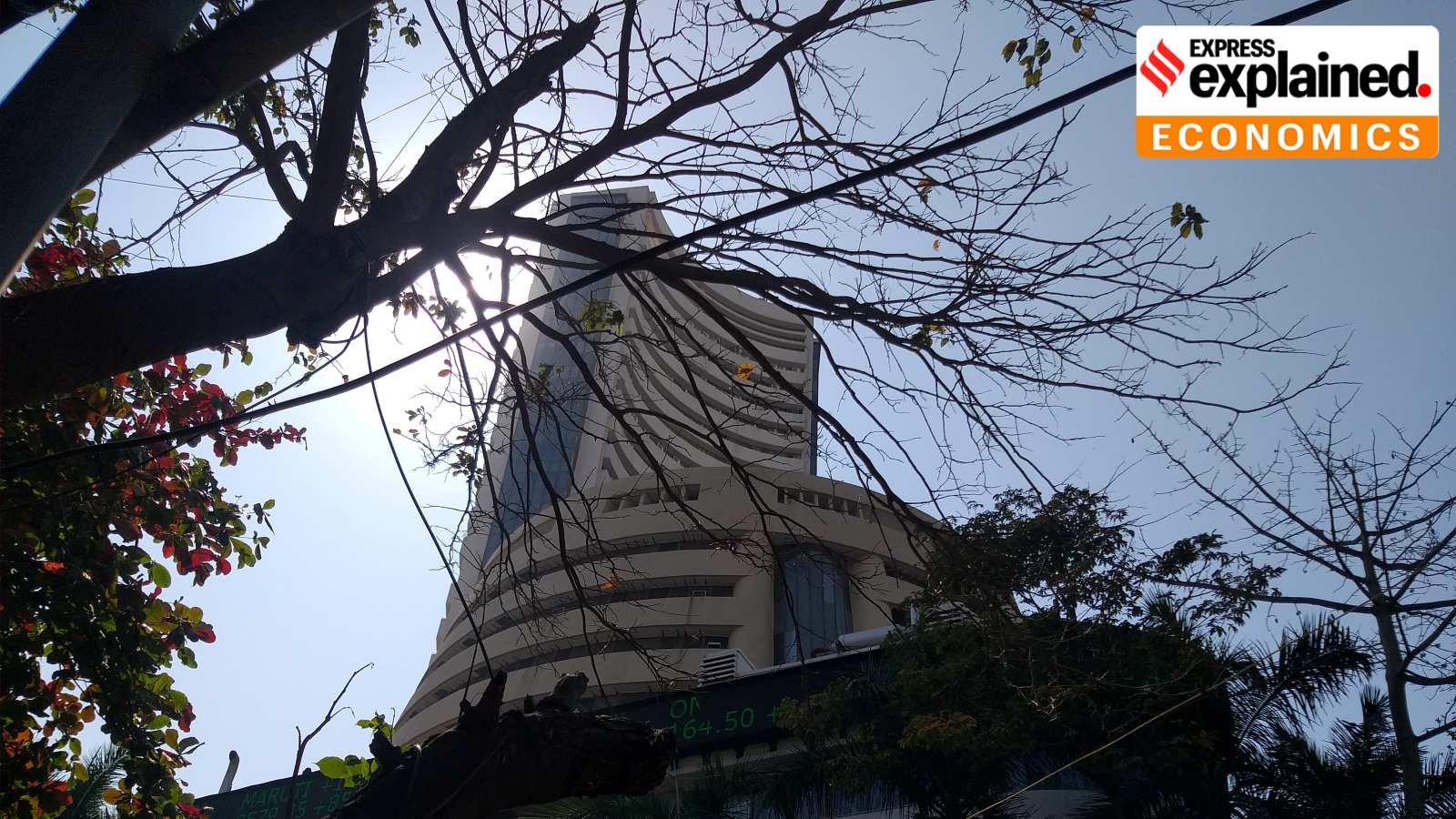
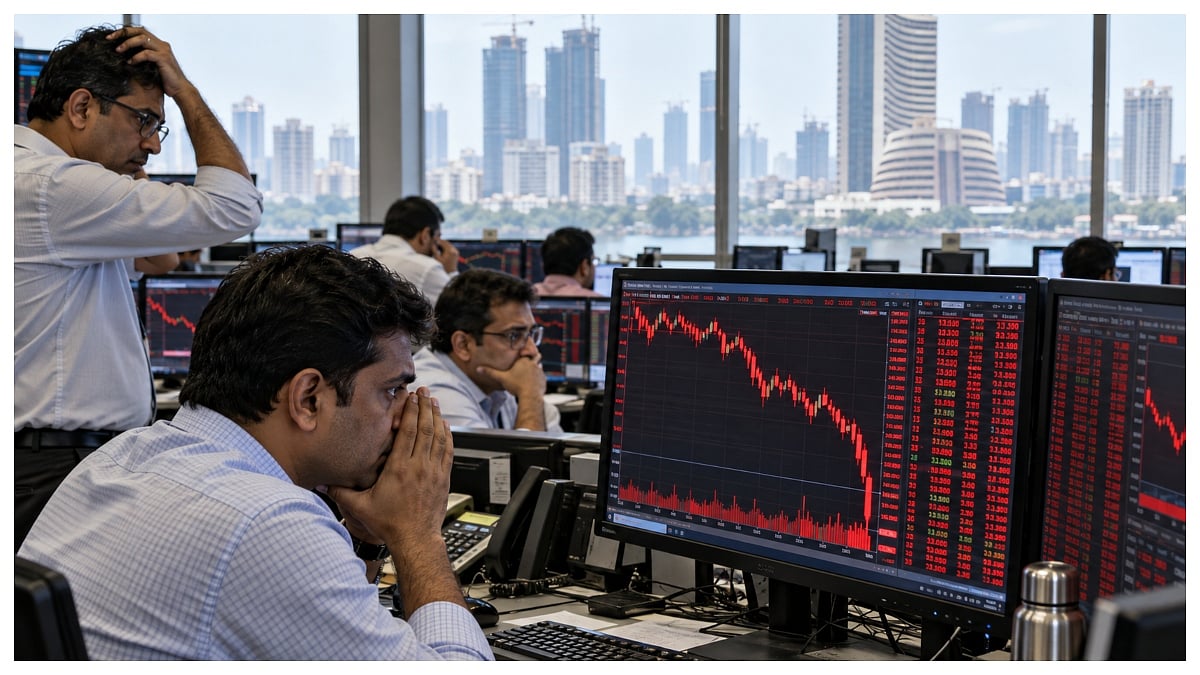
Indian stock markets had a very bad day on Thursday.
The Nifty and Sensex both fell by more than 1.6%.
Oil became more expensive because the war in West Asia continued.
More expensive oil can make many products and services cost more in India.
Interest rates and bond yields in the United States also rose, making US investments more attractive.
This encouraged some investors to move money away from Indian shares.
Insurance companies were hit especially hard because a regulator proposed rules that could reduce their profits.
The Indian rupee also weakened slightly, although the Reserve Bank of India reportedly helped stabilize it.

The Nifty 50 fell 1.6% to 23,063.10, while the Sensex dropped 1.7% to 73,580.54.
Crude oil rose above $102 a barrel, while 10-year US Treasury yields reached their highest level since 2007.
Investors feared higher inflation, borrowing costs and reduced prospects for global monetary easing amid the West Asia war.
Banking and insurance shares suffered heavily after the Insurance Regulatory and Development Authority of India proposed industry changes.
Foreign portfolio investors have withdrawn $2.1 billion from Indian equities this month and more than $26 billion in 2026.
- Who
- Indian investors, companies, foreign portfolio investors, the Reserve Bank of India, and the Insurance Regulatory and Development Authority of India were involved.
- What
- India's benchmark stock indexes fell sharply as oil prices, US bond yields and geopolitical uncertainty increased.
- Where
- The market impact was in India, while oil and bond-market pressures were linked to the West Asia conflict and the United States.
- When
- The decline occurred on Thursday; the article also refers to developments during September and 2026.
- Why
- Investors were concerned that higher oil prices and bond yields would increase inflation and borrowing costs, while proposed insurance-sector rules could pressure margins.
Market and Regulatory Concerns
Potential Policy and Market Response
Insurance-sector proposals
Market and Regulatory Concerns
Analysts said lower expense limits, tighter commission caps and transparency requirements could increase costs, squeeze margins and slow new-business growth.
Potential Policy and Market Response
The proposals were presented as regulatory changes intended to alter expenses, commissions, transparency and loan-linked insurance bundling, but the article does not provide an industry defense of them.
Investment allocation
Market and Regulatory Concerns
Higher US bond yields and a weaker rupee may encourage investors to shift money from Indian equities to dollar-denominated assets.
Potential Policy and Market Response
Reported intervention by the Reserve Bank of India helped stabilize the rupee, showing that authorities were responding to currency pressure.
Key facts
- Nifty 50 close
- 23,063.10, down 383.70 points or 1.6%
- Sensex close
- 73,580.54, down 1,247.71 points or 1.7%
- Crude oil
- Rose above $102 a barrel during the session
- US Treasury yield
- The 10-year yield rose to around 5.11%, its highest level since 2007
- Market breadth
- Nearly 71% of stocks listed on the NSE declined
- Rupee
- Ended at 95.95 per US dollar, down 0.2%
- Insurance stocks
- PB Fintech fell 34%, while ICICI Prudential and HDFC Life Insurance declined 4-6%
- Foreign investment
- Foreign portfolio investors withdrew $2.1 billion from Indian equities during the month
Quotes
Vinit Bolinjkar
Head of Research at Ventura Securities
“IRDAI’s consultation paper is near-term negative for insurance stocks, particularly distributors and insurers dependent on high-cost channels. Proposed caps on commissions, tighter expense-management limits and greater transparency could pressure new-business growth and margins, while the restriction on loan-linked insurance bundling may affect distribution volumes. PB Fintech and other broker-led platforms appear most vulnerable because their earnings are directly linked to commissions and take”
 indianexpress.com
“The correction reflects more than routine profit-booking: the rise in the US 10-year Treasury yield to around 5.11%, crude oil remaining above $100 a barrel and persistent geopolitical uncertainty are collectively raising concerns around inflation, borrowing costs and the pace of global monetary easing. This is prompting investors to reduce risk”
indianexpress.com
Sources
Related news

Indian Stocks Crash as Global and Insurance Fears Mount
Indian Markets Slide as US Yields, Oil and Rupee Weaken
Sensex, Nifty Plunge as West Asia Tensions Lift Oil Prices

Indian Stocks Slide as Oil, Conflict and Yields Rise

Indian Stocks Plunge as Oil, Yields and War Weigh

Indian Stocks Close Lower as West Asia Tensions Lift Crude

Insurance Stocks Slide After IRDAI Proposes Distribution Reforms

Insurance Shares Tumble as Regulator Proposes Commission Cuts

Jigar Patel Recommends Castrol, HDFC Life and Gabriel Short-Term
