9 months ago
Four More Shots Please 4 Review

Four More Shots Please 4 is the final season of a popular Indian web series.
The show follows the lives of four friends—Anjana, Damini, Siddhi, and Umang—as they navigate their careers, relationships, and personal struggles.
The season is set in Mumbai, Bangkok, and Goa, and features a lot of partying, romantic entanglements, and fashionable outfits.
The review notes that the series focuses more on trendy costumes and glamorous settings than on deep storytelling.
The characters live luxurious lives without financial worries, and their problems are mostly about relationships and personal drama.
The season ends with the characters resolving their romantic issues in Goa.
The review also mentions that the series has been criticized for portraying women as independent but also flaky.
Despite this, the lead actors have grown comfortable in their roles, and the series showcases Mumbai in a glamorous light.

The fourth season of Four More Shots Please focuses on the glamorous lives of four friends, with a strong emphasis on fashion and trendy outfits.
The series is set in Mumbai, Bangkok, and Goa, featuring party scenes, romantic entanglements, and personal dramas.
The characters are portrayed as privileged and carefree, with careers like trademark lawyer, stand-up comedian, and podcaster.
The season ends with the characters resolving their romantic issues in Goa, marking the final season of the series.
The review criticizes the series for prioritizing costumes over script and for portraying women as both independent and flaky.
- Who
- The main characters are Anjana, Damini, Siddhi, and Umang, along with supporting characters like Rohan, Mihir, Jeh, Dr Warsi, and Ash.
- What
- A review of the fourth and final season of the Indian web series Four More Shots Please.
- Where
- The series is set in Mumbai and includes scenes from Bangkok and Goa.
- When
- The review is based on the fourth season, which is the final season of the series.
- Why
- To provide a critique of the series' portrayal of contemporary urban women, its fashion, and its narrative.
Key facts
- Streaming Platform
- Amazon Prime Video
- Created and Written By
- Devika Bhagat
- Dialogue By
- Ishita Moitra
- Directed By
- Arunima Sharma and Neha Parti Matiyani
- Main Cast
- Kirti Kulhari, Sayani Gupta, Maanvi Gagroo, Bani J, Dino Morea, Rajeev Siddhartha, Prateik Smita Patil, Milind Soman, Kunal Roy Kapoor
- Rating
- Rediff Rating: 3/5
Quotes
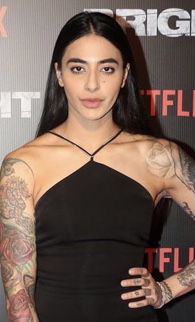
Bani J
Actress and VJ known for her role as Umang in 'Four More Shots Please!'
“The coming-out scene of Umang, along with the portrayal of a same-sex wedding that culminates in the series, played a significant role in helping audiences. It offered people a platform to see something like this being represented on screen, something that had rarely been shown before. The depiction allowed viewers to envision their own experiences and realise that these are situations many people are genuinely going through.”
 thehansindia.com
“Seeing such representation made it easier for audiences to relate and initiate conversations. The more one sees it, the more it becomes normalised. Over time, it helps people feel more comfortable, but normalisation is the first step.”
thehansindia.com
Sources

Related news

Havana Rose Liu to Star in Hiro Murai FX Pilot

Awarapan 2 Sequel Follows Shivam’s Search for Hope
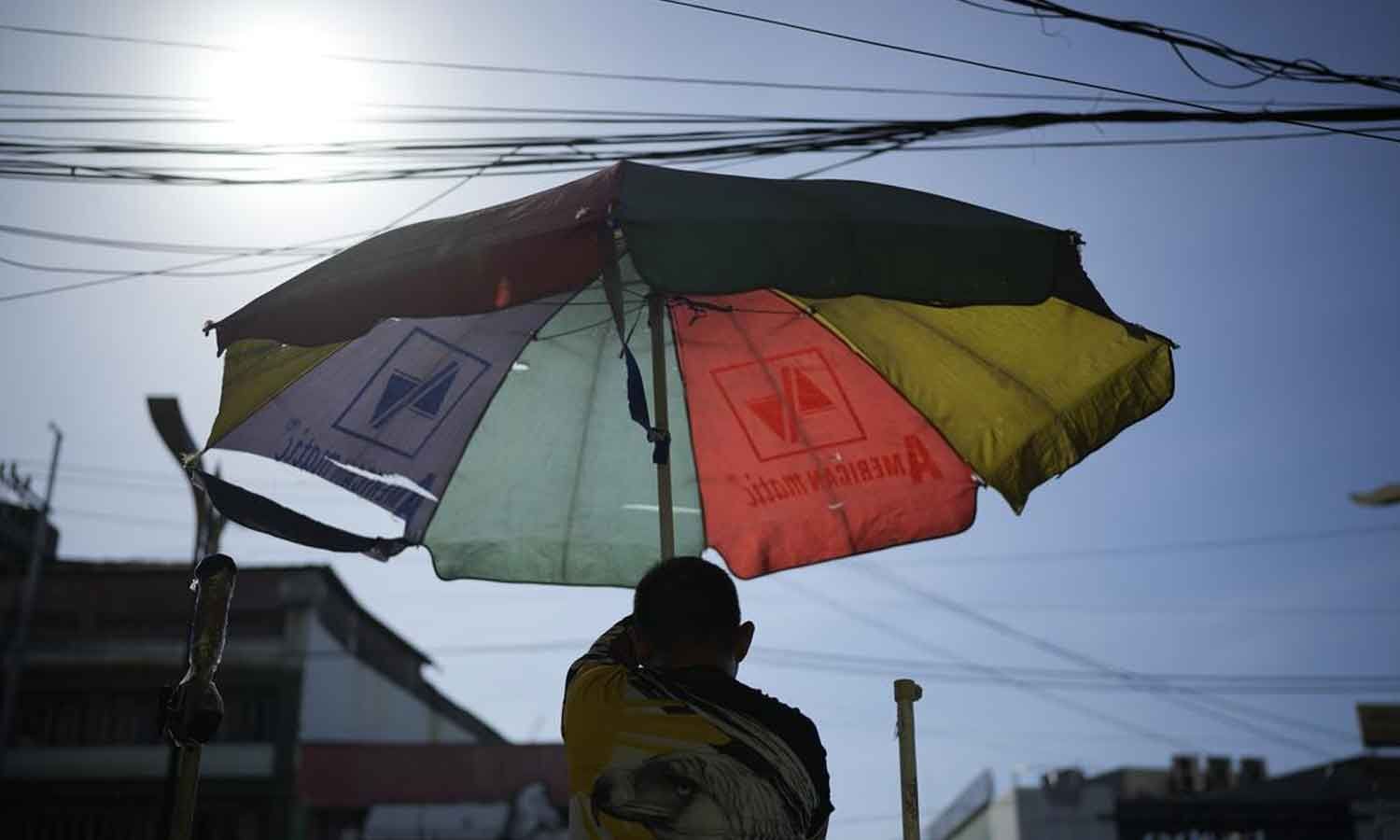
South Asia Heat Plans Advance, but Local Implementation Lags
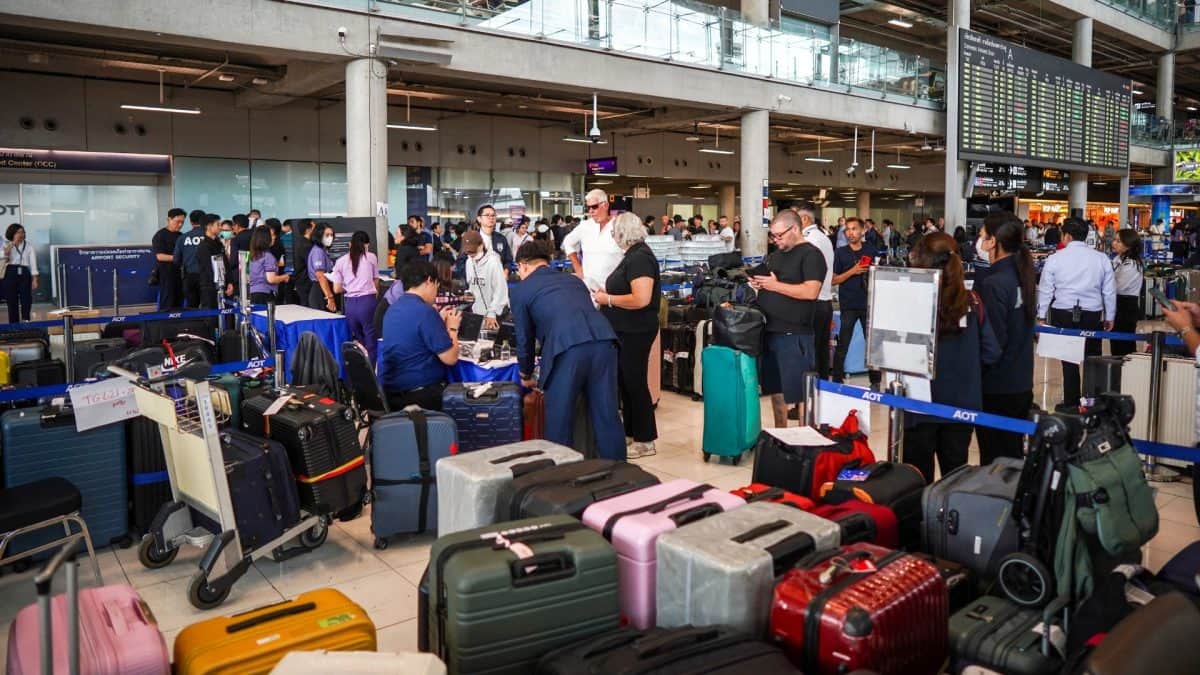
Thailand Flooding: Travel Remains Open, but Caution Is Advised

KRAFTON India to Back Indie Developers at Mobile Premiere 2026