1 hr ago
Can Vegan Skincare Match Snail Mucin’s Benefits?
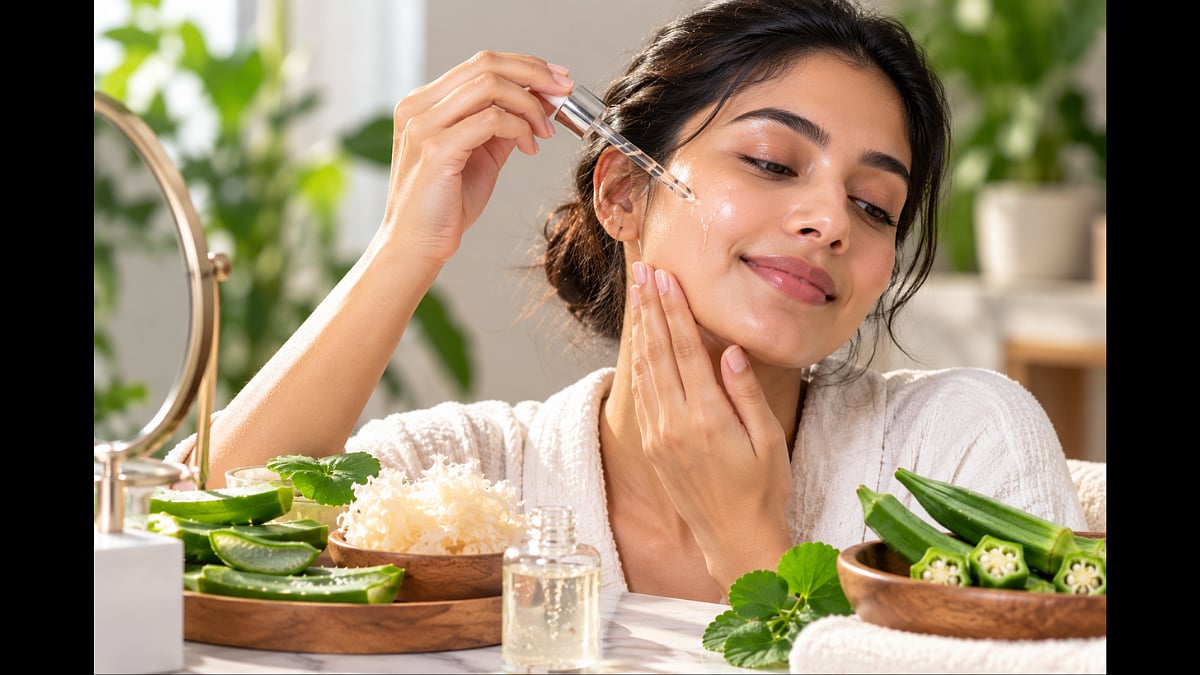
Snail mucin is a skincare ingredient made from snail secretions.
People like it because it can help skin feel hydrated, calm and smooth.
It contains many different substances, so one plant ingredient cannot do exactly the same job.
Some vegan ingredients, such as glycerin and hyaluronic acid, help bring moisture to skin.
Ceramides and squalane can help stop moisture from escaping.
Other ingredients, like centella and oat, can help soothe skin.
Making a product that feels and works like snail mucin can be tricky.
Dermatologists suggest choosing products for your own skin concerns instead of looking for one perfect replacement.

Snail mucin is valued for hydration, soothing effects and support for the skin barrier.
Dermatologists say its complex mix of components cannot be fully replicated by one plant-based ingredient.
Hyaluronic acid, glycerin and beta-glucan can help hydrate; ceramides and squalane can reduce moisture loss.
Aloe vera, centella, panthenol and oat-derived ingredients may soothe skin, while niacinamide and peptides target other concerns.
Vegan formulas can offer useful results, but texture and performance depend on formulation, concentration and skin needs.
- Who
- Dermatologists Dr Geetika Srivastava and Dr Nidhi Singh Tandon discuss vegan alternatives to snail mucin.
- What
- The article explains snail mucin’s skincare benefits and the challenges of matching them with plant-based ingredients.
- Where
- The article quotes dermatologists based in Delhi and at Skin Art Clinic; no broader location for the discussion is specified.
- When
- Why
- Growing interest in conscious beauty has prompted questions about snail mucin’s animal origins and vegan alternatives.
Vegan alternatives can help
Snail mucin remains distinct
How closely alternatives can match
Vegan alternatives can help
Combining plant-based humectants, soothing ingredients and barrier-supporting ingredients can deliver useful skincare results.
Snail mucin remains distinct
No single vegan ingredient is chemically identical to snail mucin or reproduces its full range of functions.
Texture and performance
Vegan alternatives can help
Plant-derived polysaccharides and ingredients such as aloe can provide some similar sensory or skincare benefits.
Snail mucin remains distinct
Matching snail mucin’s cushioning texture and multifunctional performance without drawbacks such as stickiness or instability is technically challenging.
Key facts
- Snail mucin benefits
- Hydration, soothing effects, barrier support and antimicrobial activity.
- Why it is difficult to replace
- It is a complex mixture of humectants, glycoproteins, peptides, antioxidants and other molecules.
- Hydrating alternatives
- Hyaluronic acid, glycerin and beta-glucan.
- Barrier-supporting alternatives
- Ceramides, squalane, cholesterol, panthenol and ectoin.
- Soothing alternatives
- Centella asiatica, colloidal oatmeal and aloe vera.
- Other skin concerns
- Niacinamide, peptides and antioxidants may target uneven tone and early signs of ageing.
- Formulation consideration
- Plant-derived ingredients can imitate some texture or benefits, but formulas must be balanced to avoid issues such as stickiness, pilling or pore congestion.
Quotes
Dr Geetika Srivastava
Delhi-based dermatologist and founder of Influennz Skin & Hair Clinic
“It combines hydration, barrier repair, soothing effects and antimicrobial activity in a single ingredient, which has earned it a lasting place in modern skincare rather than making it just another passing trend.”
 freepressjournal.in
“Ultimately, well-formulated products combining humectants, soothing botanicals and barrier-supporting ingredients can deliver excellent results, even if they don’t perfectly mimic snail mucin.”
freepressjournal.in
Sources
Related news
PDRN Skincare May Support Skin, But Hype Needs Perspective

Why Ectoine Is Emerging for Stressed, Sensitive Skin

Karmic Beauty Promotes Longevity-Based Indian Skincare and Haircare

Where to Buy Genuine Moiz Products Online in India
Six Signs Monsoon Skin Barrier Damage And Ayurvedic Remedies