

2 hrs ago
Tata Sons Listing Dispute Deepens Over RBI Talks and Trusts
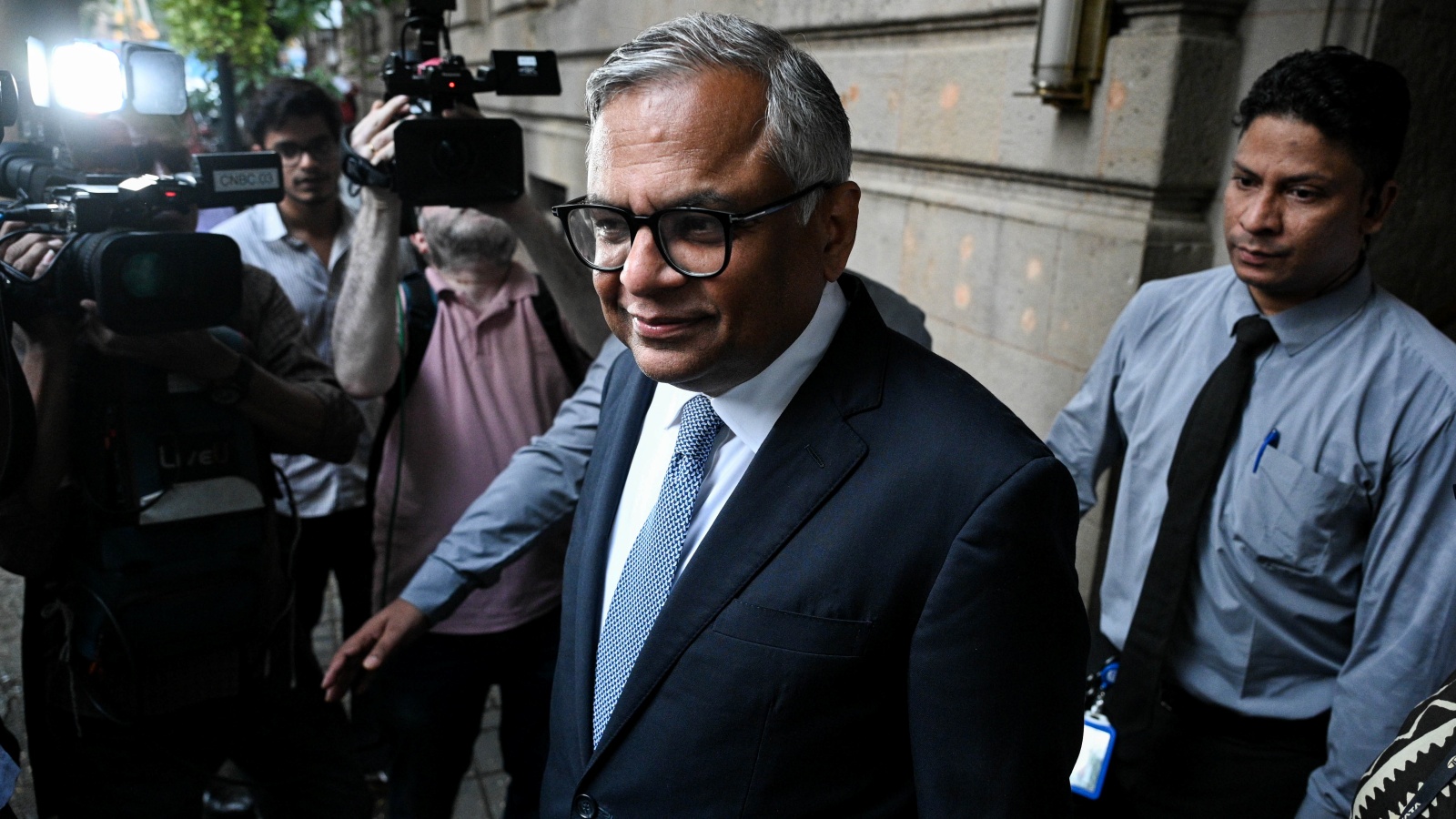
Tata Sons is the main company that controls many Tata businesses.
The Reserve Bank of India said Tata Sons must follow rules that may require it to be listed on the stock market.
Tata Sons asked to give up a special registration so it could avoid listing, but the regulator rejected that request.
The company’s board then decided to move ahead with a listing.
The Tata Trusts, which own about 66 percent of Tata Sons, do not agree with that decision.
They say other legal and regulatory choices should have been explored.
They also question whether they were properly told about earlier talks with the regulator.
The disagreement has created a dispute between Tata Sons and its controlling shareholder over the group’s future structure and governance.

Tata Trusts reportedly questioned whether they were adequately briefed on Tata Sons’ discussions with the Reserve Bank of India.
The Reserve Bank of India rejected Tata Sons’ request to surrender its Core Investment Company registration on September 12.
The rejection requires Tata Sons to pursue compliance with regulations applying to upper-layer non-banking financial companies.
Tata Sons’ board decided on September 17 to proceed with a stock-market listing.
The Tata Trusts oppose the listing and have challenged aspects of the board’s decision and governance process.
- Who
- Tata Sons, the Tata Trusts, and the Reserve Bank of India are central to the dispute; N Chandrasekaran, Noel Tata, and Venu Srinivasan are also involved in related board decisions.
- What
- The Reserve Bank of India rejected Tata Sons’ request to surrender its Core Investment Company registration, prompting the company to pursue a listing while the Tata Trusts oppose that course.
- Where
- The dispute concerns Tata Sons’ regulatory engagement with the Reserve Bank of India and the company’s proposed stock-market listing.
- When
- The Reserve Bank of India rejected the application on September 12, and the Tata Sons board decided to proceed with listing on September 17.
- Why
- The regulator classified Tata Sons as an upper-layer non-banking financial company, a status carrying a listing requirement within the prescribed timeframe; the Trusts seek alternatives to listing.
Tata Trusts’ Position
Tata Sons’ Position
Whether to list Tata Sons
Tata Trusts’ Position
The Tata Trusts say they did not agree to a stock-market listing and wanted alternatives explored after the Reserve Bank of India’s communication.
Tata Sons’ Position
Tata Sons decided to proceed with the listing to comply with the Reserve Bank of India’s directive.
Regulatory engagement and disclosure
Tata Trusts’ Position
The Trusts are reported to have questioned whether they were adequately informed about submissions, hearings, discussions, and alternatives considered during the extended RBI process.
Tata Sons’ Position
Tata Sons pursued deregistration as a Core Investment Company while engaging with the Reserve Bank of India; the company did not respond to the newspaper’s request for comment.
Board decision-making
Tata Trusts’ Position
The Trusts say Tata Sons’ Articles of Association require affirmative votes from both Trust-nominated directors and that a casting vote cannot replace a specifically required affirmative vote.
Tata Sons’ Position
The board approved the listing and separately extended N Chandrasekaran’s tenure; Venu Srinivasan supported the reappointment, while Noel Tata opposed it.
Key facts
- Controlling shareholder
- The Tata Trusts hold about 66 percent of Tata Sons.
- Regulatory classification
- The Reserve Bank of India classified Tata Sons as an upper-layer non-banking financial company in September 2022.
- Application
- Tata Sons sought to surrender its registration as a Core Investment Company.
- Regulatory decision
- The Reserve Bank of India rejected the deregistration application on September 12.
- Board response
- The Tata Sons board decided on September 17 to proceed with a listing.
- Trust position
- The Tata Trusts oppose the listing and want alternatives examined.
- Governance dispute
- The Trusts questioned the validity of the board’s decision and the use of a casting vote.
Quotes
An unnamed source familiar with Tata Sons’ board process
A source commenting on Tata Sons’ Articles of Association and board decisions
“The issue should have been formally discussed by the Tata Sons and Trust boards. The Articles of Association require the affirmative votes of both Trust-nominated directors, since there are two such directors, and that a casting vote cannot substitute for a specifically required affirmative vote”
 indianexpress.com
“It appears the Trusts did not have a clue about the talks with the RBI”
indianexpress.com
Sources
Related news

Tata Sons Moves Toward Listing Despite Tata Trusts Opposition
Noel Tata Seeks Full Briefing on RBI Talks, Rejects Listing

RBI Caveat Raises Stakes in Tata Sons Listing Dispute
Tata Sons Listing Dispute Moves Toward Bombay High Court
Tata Sons Board Weighs RBI Listing and Chandrasekaran’s Future

RBI Rejects Tata Sons Exit Bid, Reviving Mandatory Listing
India Updates: Democracy Claims, Voter Dispute, Crime, Corporate Disclosure

Tata Sons Board, Trusts Clash Over Chandrasekaran’s Reappointment

Sai University Holds Third Convocation, Awards Degrees to 72 Graduates

Venu Srinivasan’s Tata Sons Vote Highlights TVS Veteran’s Independence
